





Understanding the Uses and Benefits of Potassium Metabisulfite as a Food Preservative
Understanding Potassium Metabisulfite as a Preservative
Potassium metabisulfite, also known as potassium bisulfite or E224 in the food industry, is an essential compound utilized primarily for its preservative properties. This chemical compound is a white crystalline powder with a strong sulfurous odor and is commonly employed in the food and beverage industry, particularly in winemaking and food preservation. It serves multiple purposes, including acting as an antioxidant, antibacterial agent, and a preservative, ensuring the safety and longevity of various products.
What is Potassium Metabisulfite?
Chemically, potassium metabisulfite is represented as K2S2O5 and is a salt of metabisulfite. It dissolves in water to form bisulfite, releasing sulfur dioxide (SO2) in the process, which is a potent antimicrobial and antioxidant agent. This release of sulfur dioxide is crucial in its effectiveness as a preservative, as it inhibits the growth of unwanted microorganisms and prevents oxidation that could alter the taste and safety of food products.
Uses in Winemaking
One of the most prominent applications of potassium metabisulfite is in winemaking. It is often added at various stages of the winemaking process to ensure the final product’s quality and safety. During fermentation, potassium metabisulfite can be used to kill wild yeasts and bacteria that might spoil the wine, allowing the desired yeast to thrive. Additionally, it helps protect wine from oxidation, which can lead to undesirable flavors and aromas. By maintaining redox potential, potassium metabisulfite contributes to the wine’s overall stability and aging potential.
Moreover, winemakers often use potassium metabisulfite prior to bottling to ensure that any residual fermentation activity is inhibited, which could otherwise lead to spoilage or bottle bombs. Post-bottling, it continues to act as an important barrier against oxidation and microbial spoilage, ensuring the wine remains enjoyable for consumers.
Applications in Food Preservation
potassium metabisulfite preservative
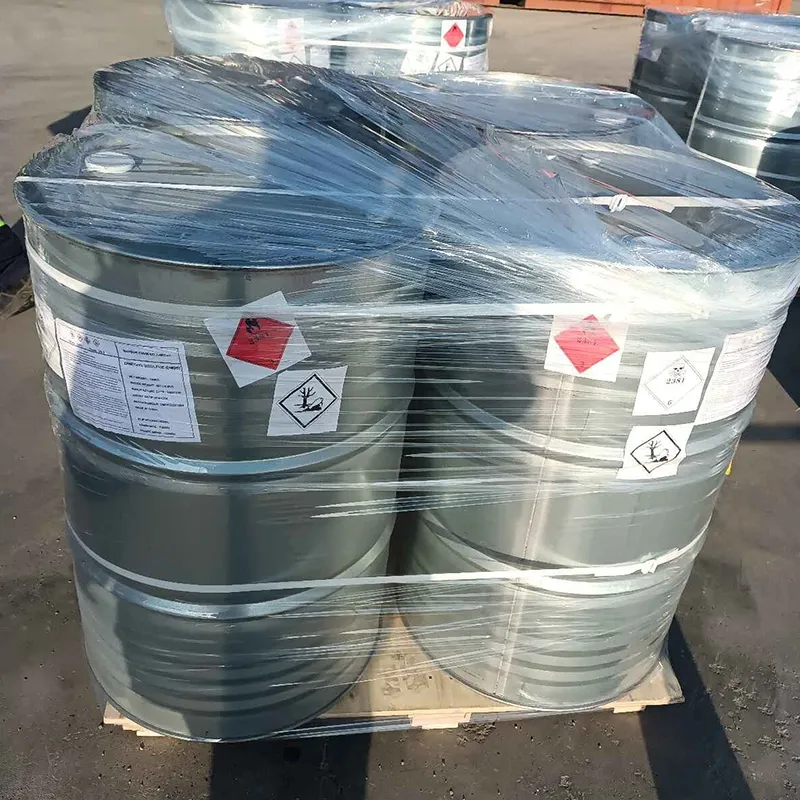
Beyond winemaking, potassium metabisulfite plays a crucial role in the preservation of many food products, including dried fruits, juices, and sauces. Its ability to inhibit microbial growth helps extend shelf life while also maintaining the color and freshness of these products. For instance, dried fruits are often treated with potassium metabisulfite to prevent discoloration and maintain their appealing appearance.
Additionally, this compound is leveraged in the preservation of processed meats and seafood, where it acts as a protective agent against spoilage and helps maintain the product's safety and flavor integrity.
Health Considerations
While potassium metabisulfite serves as an effective preservative, it is essential to consider its potential health implications. Some individuals may have sensitivities or allergies to sulfites, leading to symptoms such as headaches, asthma-like reactions, or gastrointestinal distress when consuming products containing these compounds. Consequently, regulatory bodies, including the U.S. Food and Drug Administration (FDA) and the European Food Safety Authority (EFSA), have established guidelines regarding the acceptable levels of sulfites in food and beverages.
Manufacturers are required to label products containing sulfites, particularly if the concentration exceeds 10 parts per million (ppm), to inform consumers and promote safe consumption practices.
Conclusion
Potassium metabisulfite is a versatile and effective preservative that plays a vital role in the food and beverage industry, particularly in winemaking and food preservation. By employing potassium metabisulfite, producers can safeguard their products against oxidation, microbial spoilage, and maintain flavor integrity, thereby enhancing the overall quality and safety of their offerings.
However, awareness of sulfite sensitivities and compliance with regulatory labeling practices are critical for ensuring consumer safety. As the quest for natural preservatives continues to evolve, potassium metabisulfite remains a key player in the preservation landscape, balancing efficacy and safety for both producers and consumers alike.
-
Aspartame Buyer FAQ: Sweetness, Specifications and ApplicationsNewsNov.02,2026
-
Aluminum Hydroxide FAQ: Specifications, Ordering and Support QuestionsNewsOct.28,2026
-
Improve Crop Yield with Premium Calcium Boron FertilizerNewsJul.01,2026
-
Ultimate Guide to Cal Mag Fertilizer for Boosting Plant HealthNewsJun.29,2026
-
Maximize Crop Recovery Using High Performance Bounce Back FertilizerNewsJun.27,2026
-
Maximize Crop Yields and Soil Health with Biozyme FertilizerNewsJun.26,2026
-
Sustainable Agriculture Guide using bio organic fertilizerNewsJun.25,2026
Hebei Tenger Chemical Technology Co., Ltd. focuses on the chemical industry and is committed to the export service of chemical raw materials.
-

view more Tplyltriazole(TTA)Tplyltriazole is a powerful and versatile corrosion inhibitor,it is a white particle or powder that is easily hygroscopic and can be processed into large, small, columnar, fine, or powdered shapes.It is a highly effective solution for preventing rust and corrosion on a variety of metal surfaces, making it an ideal choice for a wide range of applications. -

view more Formic AcidFormic acid, is a colorless, pungent-smelling liquid.With its unique properties and diverse applications that serves a wide range of industrial and commercial applications. -

view more Aluminum HydroxideAluminum Hydroxide, a versatile and essential product for a wide range of applications.This product is a white, amorphous powder that is insoluble in water and has a variety of uses in industries such as pharmaceuticals, cosmetics, and manufacturing.