TEL: 0086-311-88862036






Feb . 15, 2025 07:44
Back to list
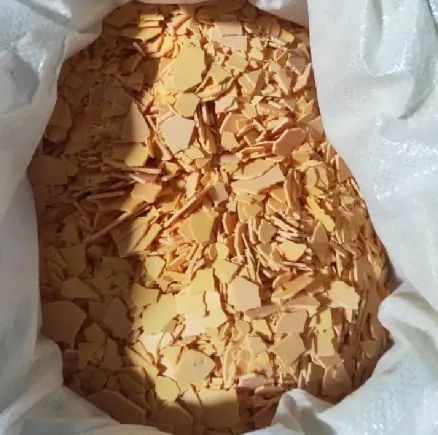
Sodium Metabisulfite 97
Preservative 222, also known as sodium bisulfite, is one of the most common food preservatives used today. This widely utilized additive helps prolong the shelf life of various products by preventing spoilage and decay. However, understanding its comprehensive impact on both consumer health and product quality is crucial for better utilization and regulation of this preservative.
From a manufacturing perspective, the use of Preservative 222 provides significant advantages. By enhancing the shelf life of products, it allows producers to maintain product quality during transportation and storage, reducing food waste and ensuring a steady supply of food items. This efficiency not only benefits the manufacturers in terms of cost-effectiveness but also aligns with global efforts to minimize food wastage. However, as a critical component of product development, manufacturers must balance the benefits of using Preservative 222 with consumer preferences for natural and organic products. The shift towards cleaner labels and additive-free products poses a challenge for the food industry, prompting innovation in finding alternatives and improving transparency in ingredient sourcing. Addressing the demand for natural preservatives, researchers and food technologists are exploring alternative solutions such as plant extracts, essential oils, and microbial fermentation. These alternatives promise preservation benefits without the potential negative health impacts associated with synthetic additives. However, the effectiveness, cost, and scalability of these alternatives remain areas of active research and development. In conclusion, while Preservative 222 offers significant benefits in terms of product longevity and quality preservation, understanding its implications on health and consumer demand is crucial for its optimal use. Continuous research, consumer education, and transparent communication are essential to ensure that its application aligns with safety standards and market trends, thereby fostering a food industry that prioritizes both product integrity and consumer trust. The future of food preservation lies in balancing innovation with safety to deliver products that meet both regulatory requirements and consumer expectations for health and sustainability.
From a manufacturing perspective, the use of Preservative 222 provides significant advantages. By enhancing the shelf life of products, it allows producers to maintain product quality during transportation and storage, reducing food waste and ensuring a steady supply of food items. This efficiency not only benefits the manufacturers in terms of cost-effectiveness but also aligns with global efforts to minimize food wastage. However, as a critical component of product development, manufacturers must balance the benefits of using Preservative 222 with consumer preferences for natural and organic products. The shift towards cleaner labels and additive-free products poses a challenge for the food industry, prompting innovation in finding alternatives and improving transparency in ingredient sourcing. Addressing the demand for natural preservatives, researchers and food technologists are exploring alternative solutions such as plant extracts, essential oils, and microbial fermentation. These alternatives promise preservation benefits without the potential negative health impacts associated with synthetic additives. However, the effectiveness, cost, and scalability of these alternatives remain areas of active research and development. In conclusion, while Preservative 222 offers significant benefits in terms of product longevity and quality preservation, understanding its implications on health and consumer demand is crucial for its optimal use. Continuous research, consumer education, and transparent communication are essential to ensure that its application aligns with safety standards and market trends, thereby fostering a food industry that prioritizes both product integrity and consumer trust. The future of food preservation lies in balancing innovation with safety to deliver products that meet both regulatory requirements and consumer expectations for health and sustainability.
Next:
Latest news
-
Aspartame Buyer FAQ: Sweetness, Specifications and ApplicationsNewsNov.02,2026
-
Aluminum Hydroxide FAQ: Specifications, Ordering and Support QuestionsNewsOct.28,2026
-
Improve Crop Yield with Premium Calcium Boron FertilizerNewsJul.01,2026
-
Ultimate Guide to Cal Mag Fertilizer for Boosting Plant HealthNewsJun.29,2026
-
Maximize Crop Recovery Using High Performance Bounce Back FertilizerNewsJun.27,2026
-
Maximize Crop Yields and Soil Health with Biozyme FertilizerNewsJun.26,2026
-
Sustainable Agriculture Guide using bio organic fertilizerNewsJun.25,2026
HOT PRODUCTS
Hebei Tenger Chemical Technology Co., Ltd. focuses on the chemical industry and is committed to the export service of chemical raw materials.
-

view more Tplyltriazole(TTA)Tplyltriazole is a powerful and versatile corrosion inhibitor,it is a white particle or powder that is easily hygroscopic and can be processed into large, small, columnar, fine, or powdered shapes.It is a highly effective solution for preventing rust and corrosion on a variety of metal surfaces, making it an ideal choice for a wide range of applications. -

view more Formic AcidFormic acid, is a colorless, pungent-smelling liquid.With its unique properties and diverse applications that serves a wide range of industrial and commercial applications. -

view more Aluminum HydroxideAluminum Hydroxide, a versatile and essential product for a wide range of applications.This product is a white, amorphous powder that is insoluble in water and has a variety of uses in industries such as pharmaceuticals, cosmetics, and manufacturing.