





preservative 260
The Role of Preservative E260 A Comprehensive Overview
Preservatives are essential in the food industry, helping to maintain product quality, enhance safety, and extend shelf life. Among the various preservatives used globally, one that stands out is E260, also known as acetic acid. This article explores the properties, applications, safety concerns, and regulatory status of E260, shedding light on its significance in food preservation.
Understanding E260 - Acetic Acid
E260 is the food additive code for acetic acid, a simple carboxylic acid. It occurs naturally in several foods, notably vinegar, which has a high concentration of acetic acid. Chemically, acetic acid is a colorless liquid with a characteristic pungent smell and a sour taste. It has a wide range of applications not only in food preservation but also in the production of various chemical substances.
Applications of E260
One of the primary roles of E260 in food products is as a preservative. It prevents microbial growth, thereby extending the shelf life of various foods, especially pickled products. The acidic environment created by acetic acid inhibits the growth of bacteria, molds, and yeasts. Consequently, it is commonly found in pickles, sauces, dressings, and marinades.
Additionally, E260 acts as a flavoring agent, enhancing the taste profile of foods. In products like salad dressings and condiments, its tangy flavor complements other ingredients, contributing to a balanced taste. Moreover, acetic acid is utilized in the food industry as an acidity regulator, helping to maintain the desired pH levels in various food formulations.
Safety and Health Considerations
preservative 260
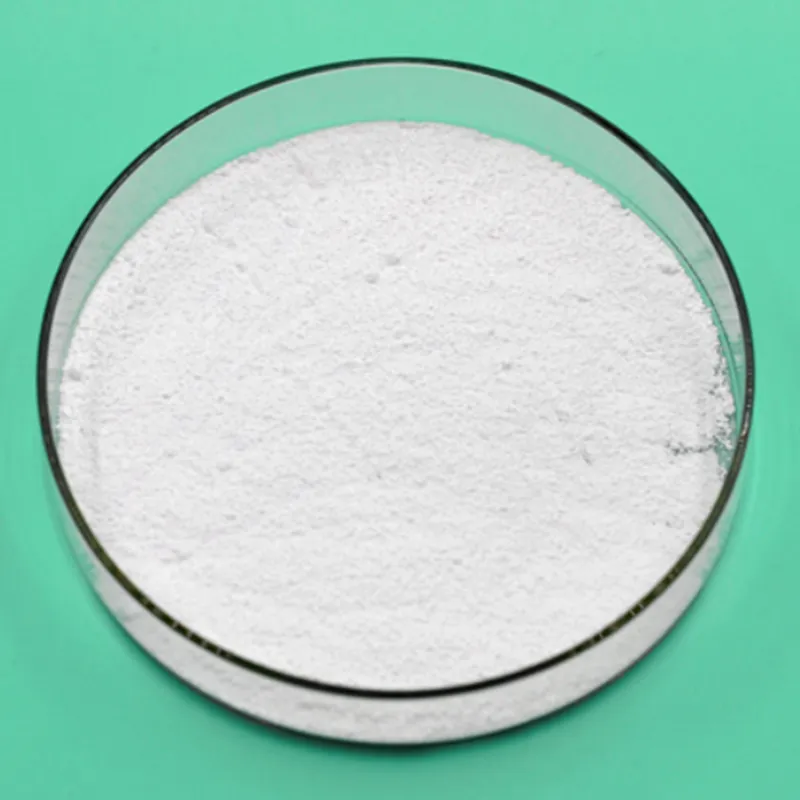
The safety of food additives, including E260, is a considerable concern for consumers and health authorities alike. The acceptable daily intake (ADI) of acetic acid has been established by food safety organizations, indicating levels that are considered safe for human consumption. According to the World Health Organization (WHO) and the Food and Agriculture Organization (FAO), acetic acid is generally recognized as safe (GRAS) when used within the prescribed limits.
However, despite its safety in regulated amounts, excessive consumption of acetic acid can lead to adverse health effects. High concentrations may cause irritation to the gastrointestinal tract and, in extreme situations, acetic acid can behave as a corrosive substance. Therefore, it's crucial for manufacturers to ensure that E260 is used within the allowable limits specified by food safety authorities.
Regulatory Status
E260 is permissible for use as a food additive in many countries worldwide. In the European Union, it is regulated under the EU Food Additives Framework Regulation (EC) No 1333/2008. This regulation stipulates the specific conditions under which E260 can be used in various food categories. Additionally, the U.S. Food and Drug Administration (FDA) also classifies acetic acid as safe when used according to good manufacturing practices.
Countries in different regions have established their regulatory frameworks to govern the use of food additives. Manufacturers must adhere to these regulations to ensure consumer safety and compliance with health standards.
Conclusion
E260, or acetic acid, plays a crucial role in the food industry as a preservative, flavor enhancer, and acidity regulator. Its ability to inhibit microbial growth and enhance flavors makes it invaluable for maintaining food quality and safety. While it is generally recognized as safe within prescribed limits, consumers should remain informed about the potential effects of excessive consumption. With appropriate regulatory oversight, E260 continues to be a vital component of food preservation, enabling manufacturers to deliver safer, longer-lasting products to consumers.
-
How to Choose Dimethyl Disulfide DMDS for Industrial UseNewsNov.09,2026
-
Aspartame Buyer FAQ: Sweetness, Specifications and ApplicationsNewsNov.02,2026
-
Aluminum Hydroxide FAQ: Specifications, Ordering and Support QuestionsNewsOct.28,2026
-
Improve Crop Yield with Premium Calcium Boron FertilizerNewsJul.01,2026
-
Ultimate Guide to Cal Mag Fertilizer for Boosting Plant HealthNewsJun.29,2026
-
Maximize Crop Recovery Using High Performance Bounce Back FertilizerNewsJun.27,2026
-
Maximize Crop Yields and Soil Health with Biozyme FertilizerNewsJun.26,2026
Hebei Tenger Chemical Technology Co., Ltd. focuses on the chemical industry and is committed to the export service of chemical raw materials.
-

view more Tplyltriazole(TTA)Tplyltriazole is a powerful and versatile corrosion inhibitor,it is a white particle or powder that is easily hygroscopic and can be processed into large, small, columnar, fine, or powdered shapes.It is a highly effective solution for preventing rust and corrosion on a variety of metal surfaces, making it an ideal choice for a wide range of applications. -

view more Formic AcidFormic acid, is a colorless, pungent-smelling liquid.With its unique properties and diverse applications that serves a wide range of industrial and commercial applications. -

view more Aluminum HydroxideAluminum Hydroxide, a versatile and essential product for a wide range of applications.This product is a white, amorphous powder that is insoluble in water and has a variety of uses in industries such as pharmaceuticals, cosmetics, and manufacturing.