





Understanding the Role of Preservatives in Food Safety and Quality Enhancement
Understanding Preservatives Focus on INS 200
Preservatives play a crucial role in the food industry, ensuring the safety, longevity, and overall quality of food products. Among various preservatives used, INS 200, commonly known as Sorbic Acid, is one of the most significant. This article delves into the nature, functions, and implications of INS 200, providing a comprehensive understanding of this widely utilized preservative.
What is INS 200?
INS 200 is the International Numbering System (INS) designation for Sorbic Acid, a naturally occurring compound first isolated from the unripe berries of the Sorbus aucuparia (rowan tree) in the 19th century. Sorbic acid appears as a white crystalline powder that is soluble in water and is renowned for its antimicrobial properties. It is primarily used in food and beverage preservation due to its effectiveness against molds, yeasts, and various types of bacteria.
Mechanism of Action
The preservation capabilities of INS 200 are attributed to its ability to inhibit the growth of microorganisms. It works by disrupting the cellular processes of bacteria and fungi, preventing them from reproducing and thus extending the shelf life of food products. Sorbic acid, when added to food, lowers the pH and alters the environment in which microbes thrive, making it unfavorable for their growth. This makes INS 200 particularly valuable in products that are prone to spoilage.
Applications
INS 200 is commonly found in a wide array of food products. Baked goods, cheeses, meats, and beverages often contain this preservative. It is particularly effective in products that require a longer shelf life, making it a staple in packaged and processed foods. In addition to food preservation, Sorbic acid is utilized in cosmetics, personal care products, and even pharmaceuticals, where it helps maintain product integrity.
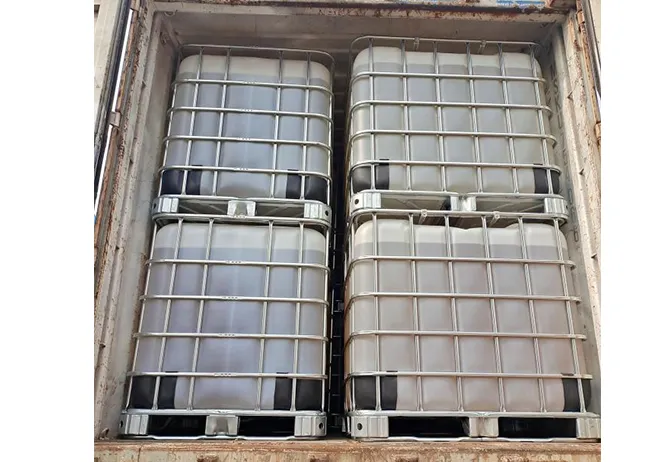
preservative ins 200
Safety and Regulations
The use of INS 200 is regulated by various food safety authorities around the world, including the Food and Drug Administration (FDA) in the United States and the European Food Safety Authority (EFSA) in Europe. Both agencies have classified Sorbic acid as safe for consumption within established limits. The acceptable daily intake (ADI) for Sorbic acid is considered to be up to 25 mg/kg of body weight, ensuring that its use in food products poses minimal health risks to consumers.
Despite its general safety, some individuals may exhibit sensitivity or allergic reactions to sorbate preservatives. Symptoms might include skin irritations or gastrointestinal discomfort, although such cases are rare. As with all food additives, proper labeling is crucial so consumers can make informed choices according to their dietary needs.
Environmental Considerations
The production and application of preservatives like INS 200 also raise environmental concerns. The agricultural processes involved in producing raw materials for these additives can have ecological impacts, and the disposal of food products containing preservatives can contribute to waste. Thus, ongoing research is essential to develop more sustainable practices in preservative production and use.
Conclusion
INS 200, or Sorbic Acid, remains a vital component of the food preservation arsenal. It effectively extends the shelf life and safety of numerous food products while maintaining quality and taste. While regulatory bodies affirm its safety, consumers should remain aware of potential sensitivities related to its use. As with any food additive, the balance between safety, effectiveness, and environmental sustainability is paramount. Understanding preservatives like INS 200 not only informs consumers but also drives innovation in food science and preservation technology, ensuring that our food remains safe and accessible for generations to come.
-
Aspartame Buyer FAQ: Sweetness, Specifications and ApplicationsNewsNov.02,2026
-
Aluminum Hydroxide FAQ: Specifications, Ordering and Support QuestionsNewsOct.28,2026
-
Improve Crop Yield with Premium Calcium Boron FertilizerNewsJul.01,2026
-
Ultimate Guide to Cal Mag Fertilizer for Boosting Plant HealthNewsJun.29,2026
-
Maximize Crop Recovery Using High Performance Bounce Back FertilizerNewsJun.27,2026
-
Maximize Crop Yields and Soil Health with Biozyme FertilizerNewsJun.26,2026
-
Sustainable Agriculture Guide using bio organic fertilizerNewsJun.25,2026
Hebei Tenger Chemical Technology Co., Ltd. focuses on the chemical industry and is committed to the export service of chemical raw materials.
-

view more Tplyltriazole(TTA)Tplyltriazole is a powerful and versatile corrosion inhibitor,it is a white particle or powder that is easily hygroscopic and can be processed into large, small, columnar, fine, or powdered shapes.It is a highly effective solution for preventing rust and corrosion on a variety of metal surfaces, making it an ideal choice for a wide range of applications. -

view more Formic AcidFormic acid, is a colorless, pungent-smelling liquid.With its unique properties and diverse applications that serves a wide range of industrial and commercial applications. -

view more Aluminum HydroxideAluminum Hydroxide, a versatile and essential product for a wide range of applications.This product is a white, amorphous powder that is insoluble in water and has a variety of uses in industries such as pharmaceuticals, cosmetics, and manufacturing.