





preservatives used in sweets
Preservatives Used in Sweets Understanding Their Role and Implications
Sweets have been a source of joy and indulgence for people of all ages across the globe. From candies and chocolates to baked goods, these confections often contain ingredients designed to enhance flavor, texture, and shelf life. One crucial category of ingredients commonly found in sweets is preservatives. Understanding the role of preservatives in sweets, their implications on health, and consumer perceptions can provide valuable insights into this beloved industry.
Preservatives Used in Sweets Understanding Their Role and Implications
Various types of preservatives are used in sweets, including natural and synthetic options. Natural preservatives, such as vitamin E (tocopherol) and citric acid (found in citrus fruits), are often preferred by health-conscious consumers for their perceived safety and health benefits. Synthetic preservatives, such as sorbic acid and potassium sorbate, are also commonly utilized due to their effectiveness in preventing spoilage. While both categories have their merits, consumer preference often leans towards natural preservatives, reflecting a growing trend towards clean-label products.
preservatives used in sweets
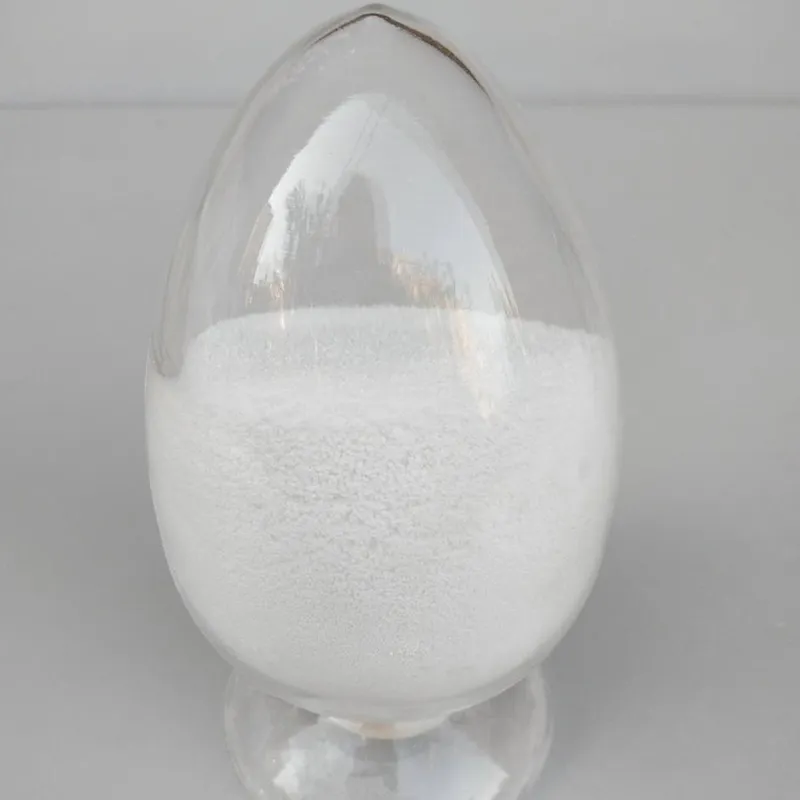
However, the use of preservatives in sweets is not without controversy. Some consumers express concerns about the potential health risks associated with synthetic additives. Studies have linked certain preservatives to allergic reactions, hyperactivity in children, and other adverse health effects. As a result, many consumers are opting for products that are free of artificial preservatives, leading to a rise in the demand for organic and naturally preserved sweets. This consumer shift has prompted manufacturers to reformulate their products and adopt more transparent labeling practices.
Moreover, regulatory bodies worldwide have established guidelines governing the use of preservatives in food products, including sweets. In the United States, the Food and Drug Administration (FDA) oversees the approval and use of food additives, including preservatives. These regulations ensure that preservatives are used safely and effectively, protecting consumers from potential harm. In the European Union, stricter regulations exist regarding food additives, often leading to reduced usage of certain synthetic preservatives compared to other regions.
The sweet manufacturing industry is also adapting to these changing consumer preferences and regulatory landscapes. Many companies are investing in research and development to find alternatives to traditional preservatives, resulting in innovative solutions such as natural antimicrobial agents and fermentation technologies. These advancements not only address health concerns but also promote sustainability by reducing reliance on synthetic chemicals.
In conclusion, preservatives play a critical role in the production of sweets, ensuring their safety, quality, and longevity. While they provide undeniable benefits, concerns regarding synthetic preservatives have prompted consumers to seek healthier, natural alternatives. As the industry evolves, manufacturers must navigate these complexities by embracing transparency, innovation, and consumer education. Ultimately, a better understanding of preservatives can empower consumers to make informed choices while enjoying their favorite sweets with confidence.
-
How to Choose Dimethyl Disulfide DMDS for Industrial UseNewsNov.09,2026
-
Aspartame Buyer FAQ: Sweetness, Specifications and ApplicationsNewsNov.02,2026
-
Aluminum Hydroxide FAQ: Specifications, Ordering and Support QuestionsNewsOct.28,2026
-
Improve Crop Yield with Premium Calcium Boron FertilizerNewsJul.01,2026
-
Ultimate Guide to Cal Mag Fertilizer for Boosting Plant HealthNewsJun.29,2026
-
Maximize Crop Recovery Using High Performance Bounce Back FertilizerNewsJun.27,2026
-
Maximize Crop Yields and Soil Health with Biozyme FertilizerNewsJun.26,2026
Hebei Tenger Chemical Technology Co., Ltd. focuses on the chemical industry and is committed to the export service of chemical raw materials.
-

view more Tplyltriazole(TTA)Tplyltriazole is a powerful and versatile corrosion inhibitor,it is a white particle or powder that is easily hygroscopic and can be processed into large, small, columnar, fine, or powdered shapes.It is a highly effective solution for preventing rust and corrosion on a variety of metal surfaces, making it an ideal choice for a wide range of applications. -

view more Formic AcidFormic acid, is a colorless, pungent-smelling liquid.With its unique properties and diverse applications that serves a wide range of industrial and commercial applications. -

view more Aluminum HydroxideAluminum Hydroxide, a versatile and essential product for a wide range of applications.This product is a white, amorphous powder that is insoluble in water and has a variety of uses in industries such as pharmaceuticals, cosmetics, and manufacturing.