





Understanding the Role of Preservatives in Cakes and Their Impact on Freshness
The Role of Preservatives in Cakes A Comprehensive Overview
Cakes are a universal delight, enjoyed during celebrations, gatherings, and everyday life. However, the delightful experience of indulging in a slice of cake goes beyond mere flavor and texture. It also involves the science of preservation, which has become increasingly vital in the baking industry. With the growing demand for convenience, shelf stability, and longer-lasting desserts, preservatives play a significant role in cake production.
What Are Preservatives?
Preservatives are substances added to food products to prevent spoilage caused by microbial growth or chemical changes. In the context of cakes, preservatives help maintain freshness, extend shelf life, and ensure that products remain safe for consumption over an extended period. While the concept of using preservatives can evoke concerns regarding health implications, many are recognized as safe when used within regulated limits.
Common Preservatives Used in Cakes
1. Sodium Benzoate This is one of the most commonly used preservatives in baked goods. It is effective against yeast, bacteria, and fungi, thereby preventing spoilage. Sodium benzoate is particularly useful in cakes that are high in sugar, as it remains active in acidic environments.
2. Potassium Sorbate Often used in combination with other preservatives, potassium sorbate prevents the growth of molds and yeasts. Its effectiveness is well-documented, making it a popular choice among bakers for cakes that require a longer shelf life.
3. Calcium Propionate Frequently utilized in bread, this preservative is also applicable to cakes. Calcium propionate helps inhibit mold growth and can prolong the freshness of cakes, especially those that are cream-filled or frosted.
4. Sorbic Acid This organic compound is a powerful inhibitor of molds and yeasts. It is often employed in both commercial and home baking, contributing to improved shelf life and stability of cakes.
preservatives used in cakes
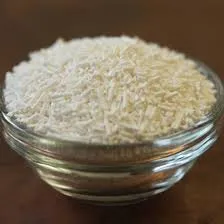
5. Natural Preservatives Some bakers opt for natural alternatives to conventional preservatives. Ingredients like honey, vinegar, and certain essential oils possess natural antimicrobial properties. For instance, honey not only adds sweetness but also helps keep the cake moist and fresh.
The Importance of Preservatives in Cake Production
The primary purpose of preservatives in cakes is to enhance their longevity without compromising taste or quality. In commercial baking, where products must travel long distances and remain appealing for extended periods, the use of preservatives becomes essential. They help prevent the growth of perishable bacteria and molds that could potentially spoil a cake before it reaches the consumer.
Moreover, preservatives can also facilitate the baking process. By extending freshness, bakers can produce larger quantities of cakes in advance, leading to cost savings and increased efficiency. This is particularly important in catering and mass production scenarios where time and consistency are of the essence.
Health Considerations
While the use of preservatives has undeniable benefits, consumer awareness regarding food additives is at an all-time high. This has led many to prefer cakes without artificial preservatives. In response, some manufacturers have started exploring cleaner labeling practices. They seek to provide options with fewer synthetic ingredients and emphasize the use of natural preservatives.
Consumers should remain informed about the ingredients in baked goods. Understanding the function and safety of various preservatives can help mitigate concerns. Regulatory agencies, such as the FDA, rigorously assess the safety of these additives, ensuring they are permissible for consumption at specified levels.
Conclusion
The inclusion of preservatives in cakes is a complex yet necessary aspect of modern baking. With a range of options available, bakers can choose preservatives that best suit their products while maintaining quality and safety. As consumer preferences evolve, the industry continues to adapt, exploring both synthetic and natural alternatives to meet the demand for healthier, better-preserved cakes. Ultimately, whether indulging in a classic slice of chocolate cake or a trendy matcha creation, understanding the role of preservatives enhances our appreciation for this beloved dessert.
-
Aspartame Buyer FAQ: Sweetness, Specifications and ApplicationsNewsNov.02,2026
-
Aluminum Hydroxide FAQ: Specifications, Ordering and Support QuestionsNewsOct.28,2026
-
Improve Crop Yield with Premium Calcium Boron FertilizerNewsJul.01,2026
-
Ultimate Guide to Cal Mag Fertilizer for Boosting Plant HealthNewsJun.29,2026
-
Maximize Crop Recovery Using High Performance Bounce Back FertilizerNewsJun.27,2026
-
Maximize Crop Yields and Soil Health with Biozyme FertilizerNewsJun.26,2026
-
Sustainable Agriculture Guide using bio organic fertilizerNewsJun.25,2026
Hebei Tenger Chemical Technology Co., Ltd. focuses on the chemical industry and is committed to the export service of chemical raw materials.
-

view more Tplyltriazole(TTA)Tplyltriazole is a powerful and versatile corrosion inhibitor,it is a white particle or powder that is easily hygroscopic and can be processed into large, small, columnar, fine, or powdered shapes.It is a highly effective solution for preventing rust and corrosion on a variety of metal surfaces, making it an ideal choice for a wide range of applications. -

view more Formic AcidFormic acid, is a colorless, pungent-smelling liquid.With its unique properties and diverse applications that serves a wide range of industrial and commercial applications. -

view more Aluminum HydroxideAluminum Hydroxide, a versatile and essential product for a wide range of applications.This product is a white, amorphous powder that is insoluble in water and has a variety of uses in industries such as pharmaceuticals, cosmetics, and manufacturing.