





Exploring the Role of Preservatives in Meat Curing Techniques and Their Effects
The Role of Preservatives in Curing Meat
Curing meat is an ancient practice that transforms fresh meat into a savory masterpiece, extending its shelf life while enhancing its flavor and texture. A significant aspect of this process involves the use of preservatives, which play a crucial role in ensuring the safety and quality of cured meat products. Among various methods of preservation, the choice of preservatives is paramount, affecting everything from taste to the nutritional value of the meat.
One of the most commonly used preservatives in meat curing is sodium nitrite (NaNO2). This compound serves several functions it inhibits the growth of harmful bacteria such as Clostridium botulinum, which can cause botulism, and it helps maintain the characteristic pink hue of cured meats like ham and salami. Sodium nitrite is effective at low concentrations, typically around 0.5% to 1% of the meat's weight, making it a powerful agent in small doses. However, it's crucial to use it responsibly, as excessive intake of nitrites has been linked to potential health risks, including certain types of cancer.
Another important preservative is sodium nitrate (NaNO3), which can be converted into sodium nitrite by bacteria during the curing process
. While not as potent as nitrite in terms of immediate preservation, it can provide a sustained release of nitrite over time, which is beneficial during the aging and fermentation of meats.Beyond traditional nitrates and nitrites, modern methods have introduced natural preservatives into the curing process. For instance, cultures of beneficial bacteria, like Lactobacillus, are increasingly used. These cultures not only enhance flavor but also produce lactic acid, which lowers the pH of the meat, creating an unfavorable environment for spoilage microorganisms. This practice aligns well with the growing consumer demand for cleaner labels and natural ingredients.
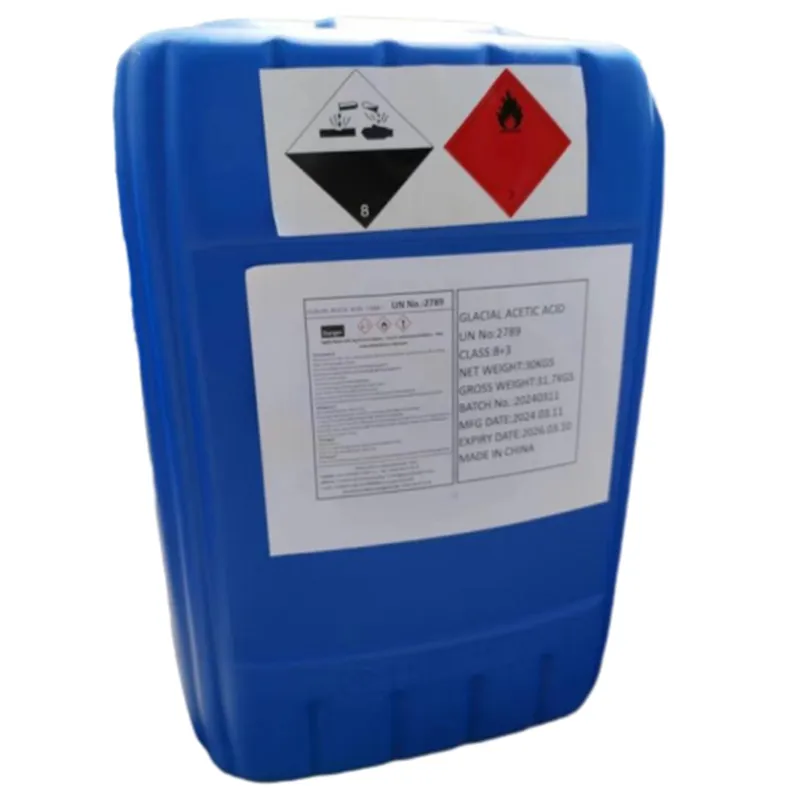
preservative used for curing meat
Salt is another time-honored preservative that has been used for centuries in meat curing. Acting as a dehydrating agent, salt draws moisture out of the meat, which helps to inhibit bacterial growth. It also enhances flavor. Generally, the salt concentration for curing purposes can vary from 1% to 3% of the total weight of the meat. However, the challenge lies in balancing the amount of salt to achieve optimal preservation without overwhelming the meat’s natural flavors.
Moreover, the use of sugar in curing meat is often overlooked. Sugars like dextrose and sucrose can enhance the flavor profile and aid in fermentation. They also contribute to the browning reaction during cooking, providing an appealing color to the final product.
Organic acids, such as ascorbic acid (vitamin C), and other natural extracts, are also gaining popularity as preservatives in meat curing. These compounds not only help to stabilize color but also act as antioxidants, which can prolong shelf life by preventing oxidation of fats.
In conclusion, the landscape of meat curing is evolving with a diverse array of preservatives that cater to safety, quality, and flavor enhancement. With consumer preferences shifting towards healthier options, the industry is responding by incorporating natural and organic ingredients. As we continue to explore the balance between tradition and innovation, the role of preservatives in curing meat remains pivotal in ensuring that we enjoy delicious, safe, and high-quality products.
-
How to Choose Dimethyl Disulfide DMDS for Industrial UseNewsNov.09,2026
-
Aspartame Buyer FAQ: Sweetness, Specifications and ApplicationsNewsNov.02,2026
-
Aluminum Hydroxide FAQ: Specifications, Ordering and Support QuestionsNewsOct.28,2026
-
Improve Crop Yield with Premium Calcium Boron FertilizerNewsJul.01,2026
-
Ultimate Guide to Cal Mag Fertilizer for Boosting Plant HealthNewsJun.29,2026
-
Maximize Crop Recovery Using High Performance Bounce Back FertilizerNewsJun.27,2026
-
Maximize Crop Yields and Soil Health with Biozyme FertilizerNewsJun.26,2026
Hebei Tenger Chemical Technology Co., Ltd. focuses on the chemical industry and is committed to the export service of chemical raw materials.
-

view more Tplyltriazole(TTA)Tplyltriazole is a powerful and versatile corrosion inhibitor,it is a white particle or powder that is easily hygroscopic and can be processed into large, small, columnar, fine, or powdered shapes.It is a highly effective solution for preventing rust and corrosion on a variety of metal surfaces, making it an ideal choice for a wide range of applications. -

view more Formic AcidFormic acid, is a colorless, pungent-smelling liquid.With its unique properties and diverse applications that serves a wide range of industrial and commercial applications. -

view more Aluminum HydroxideAluminum Hydroxide, a versatile and essential product for a wide range of applications.This product is a white, amorphous powder that is insoluble in water and has a variety of uses in industries such as pharmaceuticals, cosmetics, and manufacturing.