





Understanding the Role of Primary Emulsifiers in Food and Cosmetic Industries
Understanding Primary Emulsifiers The Key to Successful Emulsion Stability
Emulsifiers play a crucial role in many industries, particularly in food, pharmaceuticals, cosmetics, and chemical manufacturing. Among these, primary emulsifiers are essential for maintaining the stability and quality of emulsions, which are mixtures of two immiscible liquids, such as oil and water. Understanding primary emulsifiers and their functions can provide valuable insights into product formulation and stability.
What are Emulsifiers?
Emulsifiers are surfactants that facilitate the mixing of oil and water, two substances that normally do not blend. They work by reducing the surface tension between the two liquids, creating a stable interface. This stabilization prevents the separation of the oil and water phases, which is crucial for achieving the desired texture, consistency, and product performance. Primary emulsifiers are typically the main agents responsible for the formation and stabilization of an emulsion.
Types of Emulsifiers
Emulsifiers can be classified into two main categories natural and synthetic. Natural emulsifiers, such as lecithin, casein, and gum arabic, are derived from plant or animal sources and often appeal to health-conscious consumers. Synthetic emulsifiers, on the other hand, are chemically engineered and can offer specific functionalities that may not be possible with natural alternatives.
Primary emulsifiers include a variety of compounds, with each type possessing unique properties that enhance emulsification
. Common examples include1. Monoglycerides and Diglycerides These glycerol esters are widely used in the food industry due to their effectiveness and low toxicity. They improve texture and extend shelf life in products like margarine and dressings.
2. Phospholipids These are natural emulsifiers found in egg yolks (like lecithin) and soybeans. They are often used in food products and pharmaceuticals for their ability to stabilize emulsions and improve bioavailability.
primary emulsifier
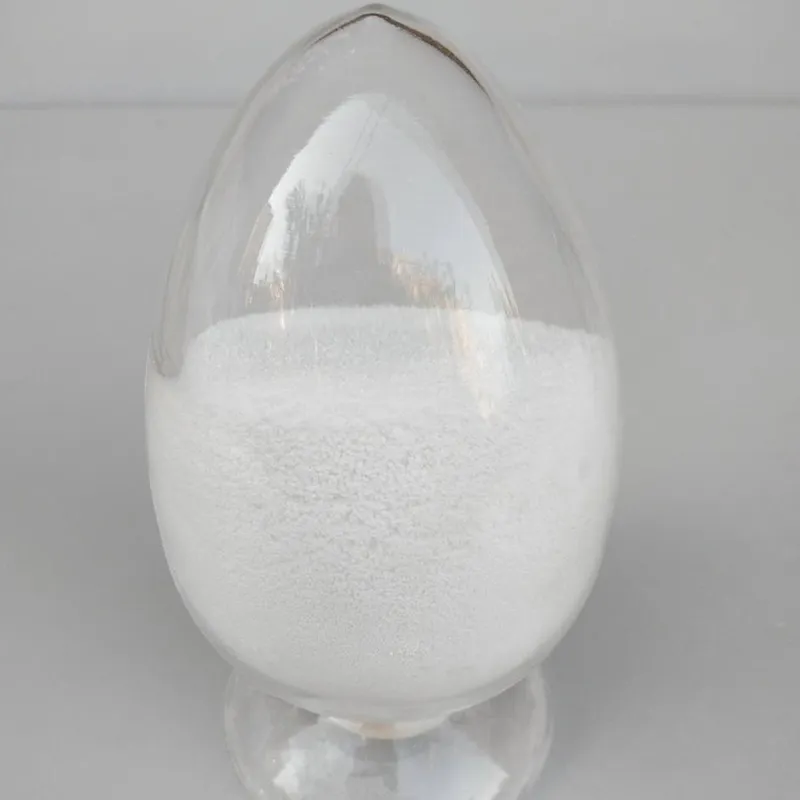
3. Sorbitan Esters Known as Spans, these synthetic emulsifiers are versatile and commonly used in the cosmetic and pharmaceutical industries due to their ability to stabilize emulsions over a wide range of temperatures and pH levels.
4. Polysorbates As commonly known as Tweens, these emulsifiers are used in various applications due to their strong emulsifying properties, particularly in bakery products and salad dressings.
The Role of Primary Emulsifiers in Emulsion Formulation
The selection of a primary emulsifier depends on several factors the type of emulsion being formulated (oil-in-water or water-in-oil), the desired stability, the properties of the individual components, and the end-use application. An effective emulsifier should not only create a stable emulsion but also contribute to the product’s texture, mouthfeel, and overall sensory experience.
For instance, in food products, emulsifiers help improve the mouthfeel and palatability, allowing for the successful blending of flavors and colors. In cosmetics, they stabilize creams and lotions, ensuring a smooth application on the skin.
The function of a primary emulsifier also extends to enhancing product shelf life by preventing ingredient separation, which can lead to product spoilage or failure to perform as intended. Emulsifiers create a protective barrier that reduces the likelihood of microbial contamination and oxidation, both of which can alter the product’s quality.
Conclusion
Primary emulsifiers are more than just ingredients; they are integral components that influence the stability, texture, and overall acceptance of emulsions in various industries. With advancements in technology, new emulsifiers continue to emerge, enabling formulators to create innovative and effective products. Understanding the diverse types of primary emulsifiers and their roles not only aids in product development but also in meeting consumer demands for high-quality, stable emulsified products. In a world where texture and stability can make or break a product, the importance of primary emulsifiers cannot be overstated.
-
How to Choose Dimethyl Disulfide DMDS for Industrial UseNewsNov.09,2026
-
Aspartame Buyer FAQ: Sweetness, Specifications and ApplicationsNewsNov.02,2026
-
Aluminum Hydroxide FAQ: Specifications, Ordering and Support QuestionsNewsOct.28,2026
-
Improve Crop Yield with Premium Calcium Boron FertilizerNewsJul.01,2026
-
Ultimate Guide to Cal Mag Fertilizer for Boosting Plant HealthNewsJun.29,2026
-
Maximize Crop Recovery Using High Performance Bounce Back FertilizerNewsJun.27,2026
-
Maximize Crop Yields and Soil Health with Biozyme FertilizerNewsJun.26,2026
Hebei Tenger Chemical Technology Co., Ltd. focuses on the chemical industry and is committed to the export service of chemical raw materials.
-

view more Tplyltriazole(TTA)Tplyltriazole is a powerful and versatile corrosion inhibitor,it is a white particle or powder that is easily hygroscopic and can be processed into large, small, columnar, fine, or powdered shapes.It is a highly effective solution for preventing rust and corrosion on a variety of metal surfaces, making it an ideal choice for a wide range of applications. -

view more Formic AcidFormic acid, is a colorless, pungent-smelling liquid.With its unique properties and diverse applications that serves a wide range of industrial and commercial applications. -

view more Aluminum HydroxideAluminum Hydroxide, a versatile and essential product for a wide range of applications.This product is a white, amorphous powder that is insoluble in water and has a variety of uses in industries such as pharmaceuticals, cosmetics, and manufacturing.