





residual solvents
Residual Solvents Understanding Their Impact in Pharmaceutical Manufacturing
Residual solvents are volatile organic compounds that may be found as trace contaminants in pharmaceutical products. These solvents can originate from various processes during the manufacturing and formulation of drug substances and drug products. Understanding residual solvents is crucial, not only for ensuring the safety and efficacy of medications but also for complying with regulatory standards established by organizations such as the United States Pharmacopeia (USP) and the International Conference on Harmonisation (ICH).
The presence of residual solvents in pharmaceuticals can pose potential risks to patient health. As a result, regulatory bodies have classified these solvents into different categories based on their toxicological profiles. The USP has published guidelines that classify solvents into three classes Class 1 solvents, which are deemed unsafe and should be avoided; Class 2 solvents, which may be harmful but can be tolerated under certain limits; and Class 3 solvents, which are considered to have low toxicity and can be accepted at higher permissible levels.
An example of a Class 1 solvent is benzene, known for its carcinogenic properties and harmful effects even in low concentrations. On the other hand, solvents such as ethanol and water fall under Class 3, as they pose minimal risk when used appropriately in drug formulation. By adhering to these classifications, pharmaceutical manufacturers can design their processes to minimize or eliminate harmful residual solvents, ultimately prioritizing patient safety.
residual solvents
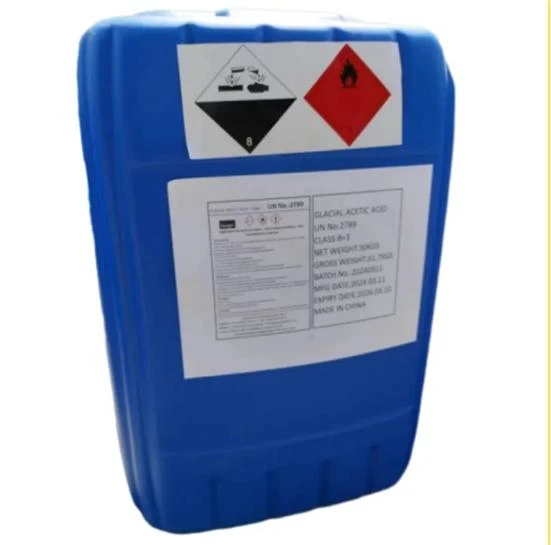
The analysis of residual solvents is a critical aspect of quality control in the pharmaceutical industry. Techniques such as gas chromatography (GC) and liquid chromatography (LC) are commonly employed to detect and quantify these solvents in drug products. The sensitivity and specificity of these methods allow manufacturers to ensure compliance with safety standards and to elucidate the potential risks associated with their products.
Moreover, controlling residual solvents should begin at the earliest stages of drug development. Choosing appropriate solvents during the synthesis of active pharmaceutical ingredients (APIs) and ensuring thorough purification are essential strategies for minimizing solvent residues. A comprehensive risk assessment can aid manufacturers in identifying potential sources of contamination and implementing measures to control or eliminate residual solvents effectively.
In addition to safety concerns, the presence of residual solvents can also impact the efficacy and stability of pharmaceutical products. Some solvents may interact with active ingredients, leading to degradation or modification of the drug's chemical structure. Consequently, this can alter the intended therapeutic effects and potentially result in reduced patient outcomes. Therefore, it is paramount for manufacturers to conduct rigorous testing for residual solvents throughout the product development lifecycle.
In conclusion, residual solvents are a significant consideration in pharmaceutical manufacturing, with implications for patient safety, product quality, and regulatory compliance. By understanding their classifications and employing robust analytical methods, manufacturers can mitigate risks associated with these contaminants. As the pharmaceutical landscape continues to evolve, ongoing research and innovation will help enhance our understanding of residual solvents and refine approaches to their control. Ultimately, ensuring the integrity of pharmaceutical products not only protects patient health but also maintains public trust in the healthcare system.
-
How to Choose Dimethyl Disulfide DMDS for Industrial UseNewsNov.09,2026
-
Aspartame Buyer FAQ: Sweetness, Specifications and ApplicationsNewsNov.02,2026
-
Aluminum Hydroxide FAQ: Specifications, Ordering and Support QuestionsNewsOct.28,2026
-
Improve Crop Yield with Premium Calcium Boron FertilizerNewsJul.01,2026
-
Ultimate Guide to Cal Mag Fertilizer for Boosting Plant HealthNewsJun.29,2026
-
Maximize Crop Recovery Using High Performance Bounce Back FertilizerNewsJun.27,2026
-
Maximize Crop Yields and Soil Health with Biozyme FertilizerNewsJun.26,2026
Hebei Tenger Chemical Technology Co., Ltd. focuses on the chemical industry and is committed to the export service of chemical raw materials.
-

view more Tplyltriazole(TTA)Tplyltriazole is a powerful and versatile corrosion inhibitor,it is a white particle or powder that is easily hygroscopic and can be processed into large, small, columnar, fine, or powdered shapes.It is a highly effective solution for preventing rust and corrosion on a variety of metal surfaces, making it an ideal choice for a wide range of applications. -

view more Formic AcidFormic acid, is a colorless, pungent-smelling liquid.With its unique properties and diverse applications that serves a wide range of industrial and commercial applications. -

view more Aluminum HydroxideAluminum Hydroxide, a versatile and essential product for a wide range of applications.This product is a white, amorphous powder that is insoluble in water and has a variety of uses in industries such as pharmaceuticals, cosmetics, and manufacturing.