





Effective and Safe Methods for Food Preservation Without Harmful Additives
The Importance of Safe Food Preservatives
Food preservation has been a fundamental practice since ancient times, allowing civilizations to store food for longer periods and reduce waste. Among the various methods of food preservation, the use of chemical preservatives is one of the most prominent. Safe food preservatives play a critical role in maintaining the quality, safety, and nutritional value of food products while ensuring they are safe for human consumption.
Preservatives are substances added to food to inhibit spoilage caused by microorganisms, such as bacteria and molds, and to slow down the natural oxidation processes that can alter food quality. While the use of preservatives extends the shelf life of food, it is essential to prioritize safety. Not all preservatives are created equal; some can pose health risks if consumed in large amounts or are improperly used. Therefore, understanding safe food preservatives is vital for both manufacturers and consumers.
One of the most widely used safe food preservatives is salt, a natural preservative that has been utilized for centuries. Salt works by drawing moisture out of food and creating an environment that is unfavorable for microbial growth. Similarly, sugar also acts as a preservative by inhibiting microbial growth through osmosis. These natural preservatives are commonly used in curing meats, pickling vegetables, and baking, showcasing their versatility and effectiveness.
In addition to salt and sugar, other natural preservatives include vinegar and lemon juice. These acidic substances lower the pH level of foods, making it difficult for bacteria to thrive. Vinegar, for instance, is often used in pickling, while lemon juice is a popular additive in various dishes for both flavor and preservation. These natural methods not only help preserve food but also enhance their flavors and nutritional profiles.
safe food preservatives
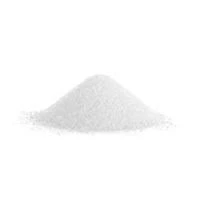
Artificial preservatives, while controversial, are also an essential part of food preservation. Common synthetic preservatives include sodium benzoate, potassium sorbate, and sulfites. These compounds are regulated by food safety authorities, such as the U.S. Food and Drug Administration (FDA) and the European Food Safety Authority (EFSA), to ensure they are used within safe limits. For example, sodium benzoate is effective against bacteria and fungi, while potassium sorbate is frequently used in dairy products and baked goods.
However, consumer awareness regarding artificial preservatives is rising, leading to a demand for cleaner labels and more natural ingredients in food products. Many manufacturers are now exploring alternatives to synthetic preservatives, such as the use of essential oils and natural extracts, which can provide antimicrobial properties while being perceived as safer by health-conscious consumers.
In addition to their preservative qualities, safe food preservatives can also help maintain the nutritional value of food. By inhibiting spoilage, preservatives allow for longer storage without significant loss of vitamins and minerals. For instance, frozen fruits and vegetables, often preserved with minimal additives, can retain their nutrient content compared to fresh produce that may spoil quickly.
As food technology advances, the development of innovative preservation techniques continues to evolve. Techniques such as high-pressure processing and modified atmosphere packaging are gaining traction. These methods minimize the need for traditional preservatives while ensuring food safety and extending shelf life.
In conclusion, safe food preservatives are vital for modern food systems, ensuring that our food remains safe, tasty, and nutritious. Both natural and synthetic preservatives have their roles to play, each with its advantages and disadvantages. As consumers become more informed about food safety, the food industry must adapt to meet these demands, balancing safety, quality, and transparency. By understanding and utilizing safe food preservatives effectively, we can enjoy a diverse range of food products while minimizing waste and promoting healthier eating habits.
-
The Essential Guide to Sorbates as Food Preservatives for SafetyNewsApr.16,2026
-
The Ultimate Guide to Sorbate Preservative in Modern IndustryNewsApr.09,2026
-
Comprehensive Guide to Sodium Stearoyl Lactylate Emulsifier Applications and BenefitsNewsApr.07,2026
-
Comprehensive Guide to Sodium Cyclamate Sweetener Properties and ApplicationsNewsApr.04,2026
-
Comprehensive Guide to Sodium Citrate Food Additive and Its ApplicationsNewsMar.31,2026
-
Comprehensive Guide to Sodium Bicarbonate Food Additive Applications and BenefitsNewsMar.28,2026
-
Understanding Sodium Benzoate Preservative in Cosmetics and Its ApplicationsNewsMar.26,2026
Hebei Tenger Chemical Technology Co., Ltd. focuses on the chemical industry and is committed to the export service of chemical raw materials.
-
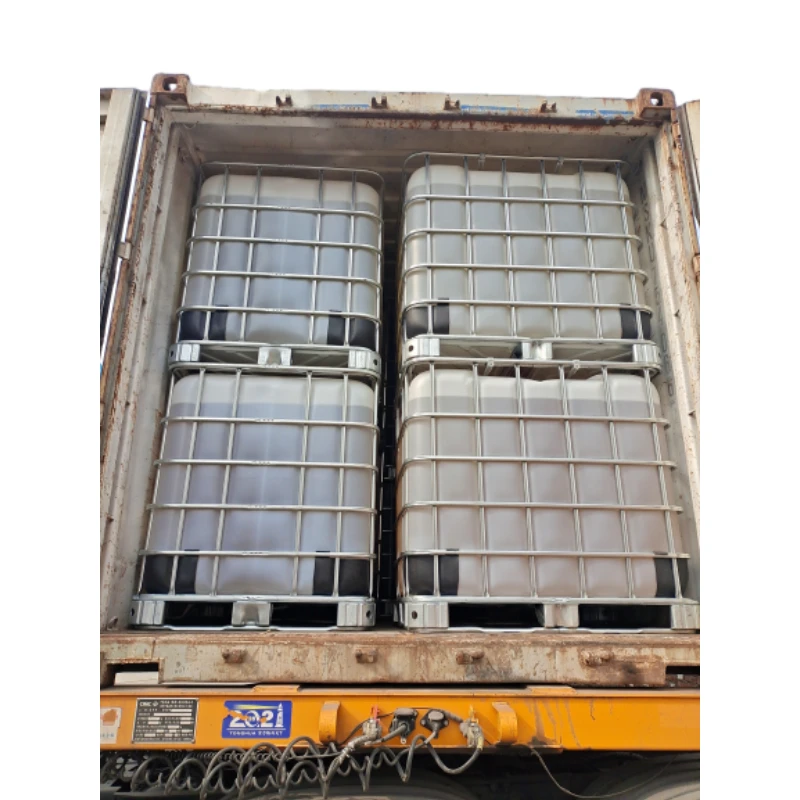
view more DiethanolisopropanolamineIn the ever-growing field of chemical solutions, diethanolisopropanolamine (DEIPA) stands out as a versatile and important compound. Due to its unique chemical structure and properties, DEIPA is of interest to various industries including construction, personal care, and agriculture. -
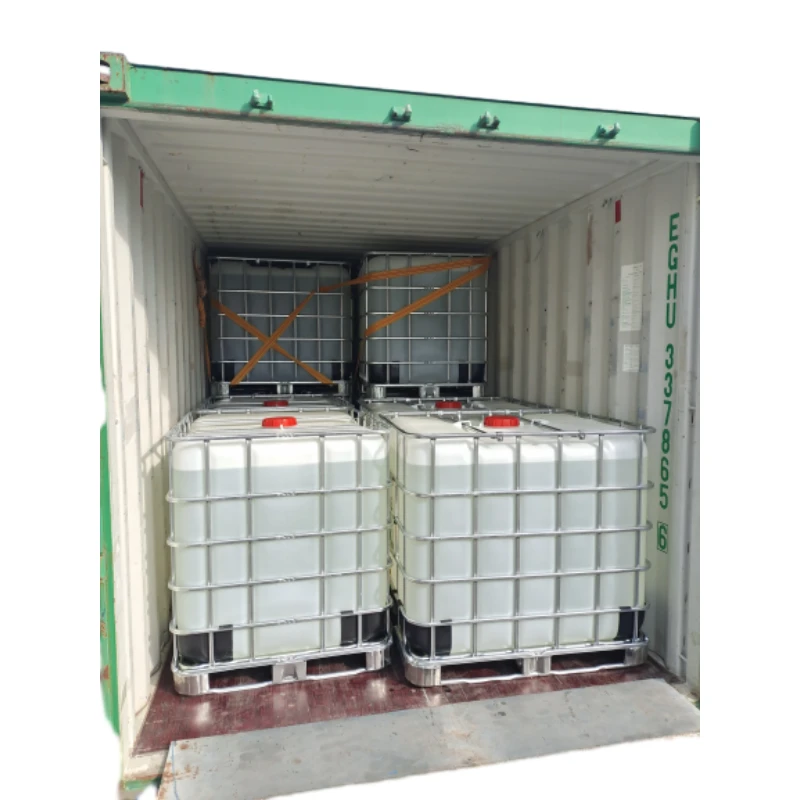
view more TriisopropanolamineTriisopropanolamine (TIPA) alkanol amine substance, is a kind of alcohol amine compound with amino and alcohol hydroxyl, and because of its molecules contains both amino and hydroxyl. -

view more Tetramethyl Thiuram DisulfideTetramethyl thiuram disulfide, also known as TMTD, is a white to light-yellow powder with a distinct sulfur-like odor. It is soluble in organic solvents such as benzene, acetone, and ethyl acetate, making it highly versatile for use in different formulations. TMTD is known for its excellent vulcanization acceleration properties, which makes it a key ingredient in the production of rubber products. Additionally, it acts as an effective fungicide and bactericide, making it valuable in agricultural applications. Its high purity and stability ensure consistent performance, making it a preferred choice for manufacturers across various industries.