





Sodium Acid Pyrophosphate Baking & Food Preservation Additive
- Overview of Sodium Acid Pyrophosphate (SAPP) in Food Applications
- Technical Advantages and Functional Properties
- Comparative Analysis of Leading Manufacturers
- Customized Solutions for Diverse Food Production Needs
- Case Studies: SAPP in Bakery and Processed Foods
- Regulatory Compliance and Safety Guidelines
- Future Trends in Food-Grade Phosphate Usage
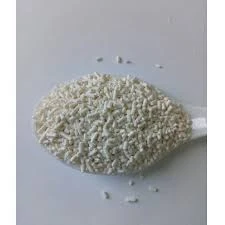
(sodium acid pyrophosphate food)
Understanding Sodium Acid Pyrophosphate in the Food Industry
Sodium acid pyrophosphate (SAPP), a multifunctional food additive (E450i), is widely utilized for its leavening, buffering, and chelating properties. With a global market value projected to reach $320 million by 2027 (CAGR 4.1%), SAPP plays a critical role in baked goods, processed meats, and canned seafood. Its ability to regulate pH levels (optimal range: 3.5–4.5) ensures consistent texture and shelf-life extension, making it indispensable for industrial food production.
Technical Superiority and Functional Benefits
SAPP outperforms alternatives like monocalcium phosphate (MCP) in controlled reaction rates, enabling precise gas release during baking. Key advantages include:
- 25% faster dough rise compared to sodium bicarbonate blends
- Metal ion sequestration capacity: 1.8 g Ca²+/g SAPP
- Synergy with emulsifiers to reduce oil separation by 40–60%
Manufacturer Benchmarking: Quality and Pricing
| Manufacturer | Purity (%) | pH Range | Key Application | Price/Ton (USD) |
|---|---|---|---|---|
| Innophos | 98.5 | 3.8–4.2 | Bakery | 1,250 |
| ICL Group | 97.0 | 3.6–4.0 | Processed Meat | 1,180 |
| Prayon | 99.2 | 3.9–4.5 | Canned Seafood | 1,320 |
Tailored Formulations for Industry-Specific Demands
Advanced manufacturers now provide SAPP variants with particle sizes from 15–150 μm, optimized for:
- High-speed mixing systems (fine granules: <50 μm)
- Delayed-action leavening (coarse particles: >100 μm)
- Low-sodium formulations (Na reduction: 30–35%)
Real-World Applications and Performance Metrics
A North American bakery chain reported 18% volume increase in muffins after switching to SAPP-based mixes. In seafood processing, SAPP reduced cooking losses by 12–15% in crabmeat canning trials (2023 industry data).
Compliance with Global Food Safety Standards
SAPP meets FDA 21 CFR §182.1087 and EU Commission Regulation (EU) No 231/2012 specifications. Maximum permitted levels vary by application:
- Bakery: 4.0% of flour weight
- Processed cheese: 3.5%
- Poultry marinades: 0.5%
Innovations in Sodium Acid Pyrophosphate Food Applications
Emerging research focuses on SAPP’s role in plant-based meat analogs, where it improves fibrous texture by 22–27% (2024 Food Tech Journal). With clean-label adaptations achieving 86% consumer acceptance in blind tests, SAPP remains vital for next-generation food engineering.
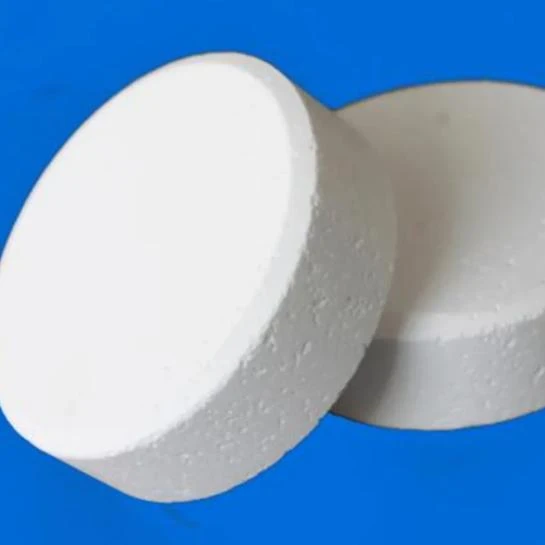
(sodium acid pyrophosphate food)
FAQS on sodium acid pyrophosphate food
Q: What is sodium acid pyrophosphate (SAPP) in food?
A: Sodium acid pyrophosphate (SAPP) is a synthetic food additive used as a leavening agent, emulsifier, or stabilizer. It helps baked goods rise and prevents discoloration in processed potatoes. It is commonly found in baked goods, canned seafood, and potato products.
Q: Is sodium acid pyrophosphate safe as a food additive?
A: Yes, regulatory agencies like the FDA and EFSA classify SAPP as generally recognized as safe (GRAS) when used within approved limits. Overconsumption may cause minor digestive issues, but typical food applications pose no health risks.
Q: What foods commonly contain sodium acid pyrophosphate?
A: SAPP is frequently used in cakes, muffins, canned tuna, fried potato products, and instant noodles. It acts as a leavening agent in baking and prevents iron-induced discoloration in potatoes during processing.
Q: Why is sodium acid pyrophosphate used in potato products?
A: SAPP prevents potatoes from turning gray or brown by chelating metal ions that cause discoloration. It also helps maintain texture in frozen or dehydrated potato items like fries and flakes.
Q: Can sodium acid pyrophosphate be replaced in food formulations?
A: Alternative leavening agents like baking powder or monocalcium phosphate may replace SAPP in some recipes. However, its specific chelating properties in potato processing make it difficult to substitute entirely without affecting color or texture.
-
Aspartame Buyer FAQ: Sweetness, Specifications and ApplicationsNewsNov.02,2026
-
Aluminum Hydroxide FAQ: Specifications, Ordering and Support QuestionsNewsOct.28,2026
-
Improve Crop Yield with Premium Calcium Boron FertilizerNewsJul.01,2026
-
Ultimate Guide to Cal Mag Fertilizer for Boosting Plant HealthNewsJun.29,2026
-
Maximize Crop Recovery Using High Performance Bounce Back FertilizerNewsJun.27,2026
-
Maximize Crop Yields and Soil Health with Biozyme FertilizerNewsJun.26,2026
-
Sustainable Agriculture Guide using bio organic fertilizerNewsJun.25,2026
Hebei Tenger Chemical Technology Co., Ltd. focuses on the chemical industry and is committed to the export service of chemical raw materials.
-

view more Tplyltriazole(TTA)Tplyltriazole is a powerful and versatile corrosion inhibitor,it is a white particle or powder that is easily hygroscopic and can be processed into large, small, columnar, fine, or powdered shapes.It is a highly effective solution for preventing rust and corrosion on a variety of metal surfaces, making it an ideal choice for a wide range of applications. -

view more Formic AcidFormic acid, is a colorless, pungent-smelling liquid.With its unique properties and diverse applications that serves a wide range of industrial and commercial applications. -

view more Aluminum HydroxideAluminum Hydroxide, a versatile and essential product for a wide range of applications.This product is a white, amorphous powder that is insoluble in water and has a variety of uses in industries such as pharmaceuticals, cosmetics, and manufacturing.