





Understanding the Role of Sodium Acid Pyrophosphate as a Food Additive in Cooking
Sodium Acid Pyrophosphate An Essential Food Additive
Sodium acid pyrophosphate (SAPP) is a widely used food additive that serves several purposes in the food industry. Known for its leavening and stabilizing properties, SAPP plays a crucial role in enhancing the texture and shelf-life of various food products. Its unique chemical structure and functionality make it a vital ingredient in many processed foods, from baked goods to canned vegetables.
What is Sodium Acid Pyrophosphate?
Sodium acid pyrophosphate is an inorganic compound derived from the reaction between sodium phosphate and phosphoric acid. It is represented chemically as Na2H2P2O7 and is often found in a white, crystalline form. This compound is a salt of pyrophosphoric acid and is considered a safe food additive, commonly classified under the E number E450. It is important to differentiate SAPP from other similar additives, such as sodium pyrophosphate, as their functions and applications may vary.
Functions of SAPP in Food Products
One of the primary functions of sodium acid pyrophosphate is its role as a leavening agent, particularly in baked goods. It reacts with baking soda (sodium bicarbonate) to produce carbon dioxide gas, which causes dough to rise. This reaction is crucial for creating the light and airy texture that consumers expect in cakes, muffins, and breads. SAPP is often used in combination with other leavening agents to achieve optimal results.
In addition to its leavening properties, SAPP also acts as a pH regulator. It helps maintain the acidity levels in food products, which can improve flavor and enhance the stability of color in foods such as pickles and processed meats. By controlling the pH, SAPP can also inhibit the growth of certain bacteria and extend the shelf-life of food products, ensuring they remain safe and appealing for longer periods.
Applications of SAPP in the Food Industry
sodium acid pyrophosphate food additive
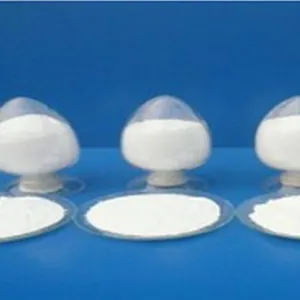
Sodium acid pyrophosphate finds extensive applications in various sectors of the food industry. In the realm of baking, SAPP is commonly incorporated into pancake mixes, quick breads, and cake batters to improve texture and volume. Similarly, in the dairy section, it is used in processed cheese products to enhance creaminess and meltability.
The vegetable processing industry utilizes SAPP as well, particularly in the preservation of canned vegetables. By regulating pH and improving color retention, SAPP helps to maintain the visual appeal and nutritional quality of processed vegetables. Additionally, it is employed in the preparation of potato products, such as frozen French fries, to prevent discoloration and maintain crispiness.
SAPP’s multifunctional properties render it valuable not only in enhancing food quality but also in optimizing processing efficiency. Its use in commercial food production systems exemplifies the sophistication involved in modern food manufacturing, where additives like SAPP contribute to both safety and sensory attributes of food products.
Safety and Regulatory Status
Sodium acid pyrophosphate is recognized as safe for consumption by numerous health authorities, including the U.S. Food and Drug Administration (FDA) and the European Food Safety Authority (EFSA). Various studies have supported its safety for use in food products, indicating that it does not pose significant health risks when consumed within regulatory limits.
However, it is vital for manufacturers to incorporate SAPP judiciously, adhering to recommended usage levels to ensure consumer safety. As with any food additive, overconsumption of products containing SAPP could lead to potential health issues; therefore, public awareness and regulatory oversight continue to play essential roles in the management of food additives.
Conclusion
In summary, sodium acid pyrophosphate is a fundamental food additive that serves multiple roles in enhancing the quality and safety of processed foods. Its ability to function as a leavening agent, pH regulator, and stabilizer makes it a versatile ingredient in various food applications. As the food industry continues to evolve and innovate, SAPP will likely remain a key player in the ongoing quest to improve food quality and consumer satisfaction. Understanding and appreciating the role of SAPP in the food system can help consumers make informed choices while enjoying the benefits it brings to their favorite products.
-
Aspartame Buyer FAQ: Sweetness, Specifications and ApplicationsNewsNov.02,2026
-
Aluminum Hydroxide FAQ: Specifications, Ordering and Support QuestionsNewsOct.28,2026
-
Improve Crop Yield with Premium Calcium Boron FertilizerNewsJul.01,2026
-
Ultimate Guide to Cal Mag Fertilizer for Boosting Plant HealthNewsJun.29,2026
-
Maximize Crop Recovery Using High Performance Bounce Back FertilizerNewsJun.27,2026
-
Maximize Crop Yields and Soil Health with Biozyme FertilizerNewsJun.26,2026
-
Sustainable Agriculture Guide using bio organic fertilizerNewsJun.25,2026
Hebei Tenger Chemical Technology Co., Ltd. focuses on the chemical industry and is committed to the export service of chemical raw materials.
-

view more Tplyltriazole(TTA)Tplyltriazole is a powerful and versatile corrosion inhibitor,it is a white particle or powder that is easily hygroscopic and can be processed into large, small, columnar, fine, or powdered shapes.It is a highly effective solution for preventing rust and corrosion on a variety of metal surfaces, making it an ideal choice for a wide range of applications. -

view more Formic AcidFormic acid, is a colorless, pungent-smelling liquid.With its unique properties and diverse applications that serves a wide range of industrial and commercial applications. -

view more Aluminum HydroxideAluminum Hydroxide, a versatile and essential product for a wide range of applications.This product is a white, amorphous powder that is insoluble in water and has a variety of uses in industries such as pharmaceuticals, cosmetics, and manufacturing.