TEL: 0086-311-88862036






Mar . 05, 2025 05:10
Back to list
Sodium Acid Pyrophosphate (SAPP)
Sodium acid pyrophosphate (SAPP) is a versatile ingredient that plays an important role in the culinary world. As a food additive, it is primarily used to control the acidity and serve as a leavening agent. Its presence is subtle but significant, ensuring the quality and stability of many food products.
SAPP’s presence ensures that food maintains both its intended taste and appearance. In the competitive market of pre-packaged foods, sodium acid pyrophosphate upholds a brand's promise of delivering food that meets expectations, enhancing consumer trust in product quality. Beyond aesthetics, it ensures food safety by acting as a sequestrant, effectively binding trace metals that might otherwise catalyze spoilage. From a nutritional perspective, while the presence of phosphates in food often raises concerns, the carefully regulated use of SAPP complies with safety guidelines set by food safety agencies. The amount used in products is deemed safe within the limits, emphasizing the importance of adhering to prescribed culinary applications for the consumer's well-being. Additionally, its function in enhancing quality without compromising safety embodies responsible food manufacturing practices. In innovating food textures and appearances, the expertise involved in utilizing SAPP showcases the dynamic role of technological advancements in food production. The trust companies place in this ingredient underlines its utility across diverse applications and its authority in the food processing sector. Through rigorous control and specialized applications, sodium acid pyrophosphate stands out as a multifunctional ingredient that consistently performs its job effectively and efficiently. Though SAPP often works behind the scenes, its impact on the end consumer's experience is unmistakable. Consistent food quality harkens back to its strategic use in industrial food processing, reflecting its expertise-driven applications that bolster product standards. In an ever-evolving food industry, staying informed on the functional properties and benefits of ingredients like sodium acid pyrophosphate takes precedence in delivering excellence. Not only does it sustain a reputation for quality, but it also advances culinary creations that continue to satisfy and delight consumer expectations across the globe.

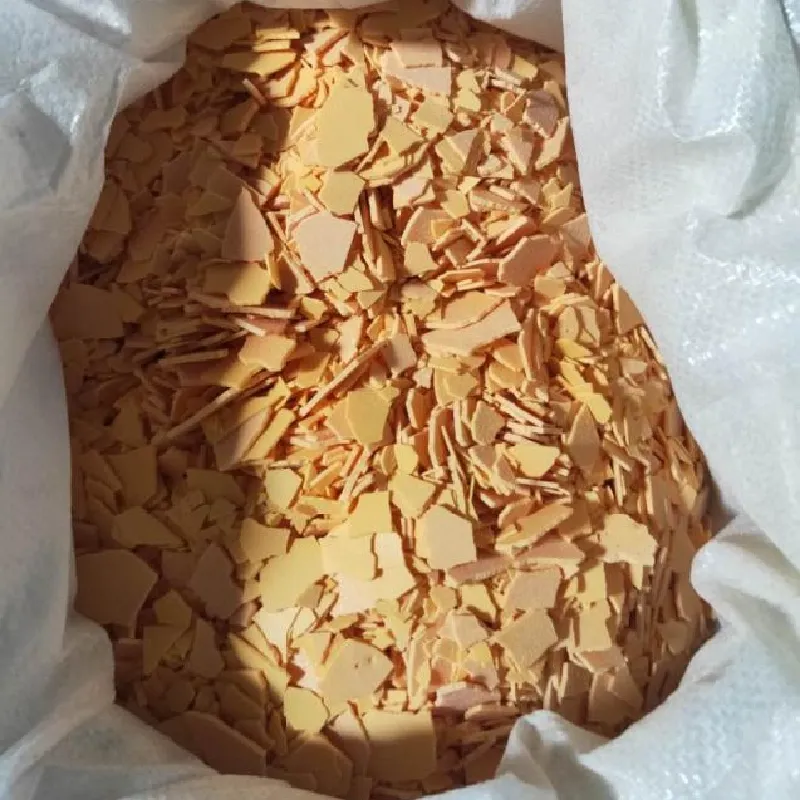
SAPP’s presence ensures that food maintains both its intended taste and appearance. In the competitive market of pre-packaged foods, sodium acid pyrophosphate upholds a brand's promise of delivering food that meets expectations, enhancing consumer trust in product quality. Beyond aesthetics, it ensures food safety by acting as a sequestrant, effectively binding trace metals that might otherwise catalyze spoilage. From a nutritional perspective, while the presence of phosphates in food often raises concerns, the carefully regulated use of SAPP complies with safety guidelines set by food safety agencies. The amount used in products is deemed safe within the limits, emphasizing the importance of adhering to prescribed culinary applications for the consumer's well-being. Additionally, its function in enhancing quality without compromising safety embodies responsible food manufacturing practices. In innovating food textures and appearances, the expertise involved in utilizing SAPP showcases the dynamic role of technological advancements in food production. The trust companies place in this ingredient underlines its utility across diverse applications and its authority in the food processing sector. Through rigorous control and specialized applications, sodium acid pyrophosphate stands out as a multifunctional ingredient that consistently performs its job effectively and efficiently. Though SAPP often works behind the scenes, its impact on the end consumer's experience is unmistakable. Consistent food quality harkens back to its strategic use in industrial food processing, reflecting its expertise-driven applications that bolster product standards. In an ever-evolving food industry, staying informed on the functional properties and benefits of ingredients like sodium acid pyrophosphate takes precedence in delivering excellence. Not only does it sustain a reputation for quality, but it also advances culinary creations that continue to satisfy and delight consumer expectations across the globe.
Latest news
-
Aspartame Buyer FAQ: Sweetness, Specifications and ApplicationsNewsNov.02,2026
-
Aluminum Hydroxide FAQ: Specifications, Ordering and Support QuestionsNewsOct.28,2026
-
Improve Crop Yield with Premium Calcium Boron FertilizerNewsJul.01,2026
-
Ultimate Guide to Cal Mag Fertilizer for Boosting Plant HealthNewsJun.29,2026
-
Maximize Crop Recovery Using High Performance Bounce Back FertilizerNewsJun.27,2026
-
Maximize Crop Yields and Soil Health with Biozyme FertilizerNewsJun.26,2026
-
Sustainable Agriculture Guide using bio organic fertilizerNewsJun.25,2026
HOT PRODUCTS
Hebei Tenger Chemical Technology Co., Ltd. focuses on the chemical industry and is committed to the export service of chemical raw materials.
-

view more Tplyltriazole(TTA)Tplyltriazole is a powerful and versatile corrosion inhibitor,it is a white particle or powder that is easily hygroscopic and can be processed into large, small, columnar, fine, or powdered shapes.It is a highly effective solution for preventing rust and corrosion on a variety of metal surfaces, making it an ideal choice for a wide range of applications. -

view more Formic AcidFormic acid, is a colorless, pungent-smelling liquid.With its unique properties and diverse applications that serves a wide range of industrial and commercial applications. -

view more Aluminum HydroxideAluminum Hydroxide, a versatile and essential product for a wide range of applications.This product is a white, amorphous powder that is insoluble in water and has a variety of uses in industries such as pharmaceuticals, cosmetics, and manufacturing.