





Chemical Properties and Applications of Sodium Benzoate in Food Preservation and Safety
Understanding Sodium Benzoate A Common Food Preservative
Sodium benzoate, the sodium salt of benzoic acid, is one of the most widely used food preservatives in the modern food industry. It is recognized for its effectiveness in preventing the growth of microbes and extending the shelf life of various food products. This article delves into its chemical properties, use cases, health implications, and the controversies surrounding its application in food.
Chemical Properties and Production
Sodium benzoate has the chemical formula C7H5NaO2 and appears as a white crystalline powder. It is soluble in water, which allows it to easily blend with aqueous food products. The compound is synthesized by neutralizing benzoic acid with sodium hydroxide or sodium bicarbonate. Benzoic acid, found naturally in certain fruits like cranberries and prunes, has been used for centuries as a preservative due to its antifungal and antibacterial properties.
Applications in the Food Industry
Sodium benzoate is primarily used as a preservative in acidic foods and beverages, where it inhibits the growth of molds, yeast, and some bacteria. Common products that may contain sodium benzoate include soft drinks, fruit juices, pickles, salad dressings, and jams. Its effectiveness is most pronounced in environments with a pH below 7, making it particularly suitable for numerous processed foods.
In addition to preservation, sodium benzoate can also enhance flavor and maintain color in various products. It helps in stabilizing formulations, particularly in carbonated beverages, where the combination of acidity and sodium benzoate creates a prompt barrier against spoilage.
Health Implications
sodium benzoate acid
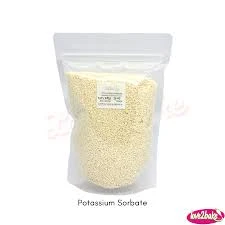
The use of sodium benzoate in food has drawn significant attention from health organizations and consumers. In moderate amounts, it is generally recognized as safe (GRAS) by the U.S. Food and Drug Administration (FDA). However, concerns arise when sodium benzoate is combined with ascorbic acid (vitamin C) in acidic conditions, as this reaction can produce benzene, a known carcinogen. This reaction, while rarely occurring in significant amounts in food products, has led to ongoing debates about the safety of sodium benzoate in conjunction with certain additives.
Furthermore, some studies suggest that sodium benzoate may trigger allergic reactions in sensitive individuals, particularly in those who also have asthma or certain skin conditions. As with many food additives, the potential for adverse reactions increases in people with a history of allergies.
Controversies and Regulations
Globally, regulations concerning sodium benzoate vary. The European Food Safety Authority (EFSA) and the FDA regulate its use, setting limits on the amounts permissible in food. Despite its approval for use, consumer awareness and scrutiny have increased, leading some manufacturers to explore alternative preservatives. Most consumers are becoming more health-conscious, driving a demand for “clean label” products free from synthetic preservatives, which has prompted brands to reformulate their products accordingly.
In response to these trends, some food companies are substituting sodium benzoate with natural alternatives like vinegar, citric acid, or rosemary extract, which appeal more to the health-aware consumer segment. The shift suggests a broader change in how food safety and quality are perceived in the modern marketplace.
Conclusion
Sodium benzoate remains a staple in the food industry due to its effectiveness as a preservative and its cost-efficiency. Understanding its applications, health implications, and the surrounding controversies can empower consumers to make informed choices about their food. As the landscape of food manufacturing continues to evolve, the role of preservatives like sodium benzoate will be scrutinized, leading to potential innovations that meet both safety and consumer demand for healthier products.
-
How to Choose Dimethyl Disulfide DMDS for Industrial UseNewsNov.09,2026
-
Aspartame Buyer FAQ: Sweetness, Specifications and ApplicationsNewsNov.02,2026
-
Aluminum Hydroxide FAQ: Specifications, Ordering and Support QuestionsNewsOct.28,2026
-
Improve Crop Yield with Premium Calcium Boron FertilizerNewsJul.01,2026
-
Ultimate Guide to Cal Mag Fertilizer for Boosting Plant HealthNewsJun.29,2026
-
Maximize Crop Recovery Using High Performance Bounce Back FertilizerNewsJun.27,2026
-
Maximize Crop Yields and Soil Health with Biozyme FertilizerNewsJun.26,2026
Hebei Tenger Chemical Technology Co., Ltd. focuses on the chemical industry and is committed to the export service of chemical raw materials.
-

view more Tplyltriazole(TTA)Tplyltriazole is a powerful and versatile corrosion inhibitor,it is a white particle or powder that is easily hygroscopic and can be processed into large, small, columnar, fine, or powdered shapes.It is a highly effective solution for preventing rust and corrosion on a variety of metal surfaces, making it an ideal choice for a wide range of applications. -

view more Formic AcidFormic acid, is a colorless, pungent-smelling liquid.With its unique properties and diverse applications that serves a wide range of industrial and commercial applications. -

view more Aluminum HydroxideAluminum Hydroxide, a versatile and essential product for a wide range of applications.This product is a white, amorphous powder that is insoluble in water and has a variety of uses in industries such as pharmaceuticals, cosmetics, and manufacturing.