TEL: 0086-311-88862036






Feb . 15, 2025 22:59
Back to list
sodium benzoate and potassium sorbate
Sodium benzoate and potassium sorbate are two of the most widely used preservatives in the food and beverage industry, celebrated for their effectiveness in extending shelf life and maintaining product quality. With growing global demand for processed foods, understanding the role and impact of these preservatives is crucial for both manufacturers and consumers seeking informed choices.
Despite their widespread acceptance, it is essential to address concerns and misconceptions surrounding these preservatives. Discussions often arise around possible hypersensitivity and adverse reactions, yet scientific consensus overwhelmingly endorses their safety when consumed within prescribed limits. Continuing research and transparent communication by the scientific community can bridge knowledge gaps, reassuring consumers of the minimal risk these compounds pose. The discourse around sodium benzoate and potassium sorbate also brings to light ongoing innovation in the field of food preservation. In response to consumer demand for cleaner labels and natural alternatives, research is exploring the synergy between these traditional preservatives and natural compounds like rosemary extract and green tea polyphenols. Such combinations enhance the preservative efficacy while appealing to the growing market segment demanding natural and organic products. Manufacturers facing tightening regulations and shifting consumer preferences can leverage the proven benefits of sodium benzoate and potassium sorbate to maintain product integrity. By investing in research and development, companies can continuously refine formulations, accommodating evolving standards without compromising on quality or safety. As the food industry progresses, the authoritative role of preservatives like sodium benzoate and potassium sorbate will persist. Their acceptance reflects an intersection of tradition and modernization, ensuring that our global food supply remains safe, palatable, and sustainable. Embracing these compounds as a refraction of human expertise in chemistry and food science can empower stakeholders across the production and consumption chain, safeguarding food security in an ever-evolving market landscape.

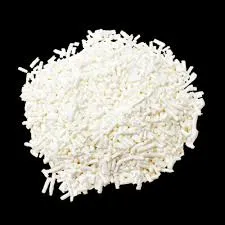
Despite their widespread acceptance, it is essential to address concerns and misconceptions surrounding these preservatives. Discussions often arise around possible hypersensitivity and adverse reactions, yet scientific consensus overwhelmingly endorses their safety when consumed within prescribed limits. Continuing research and transparent communication by the scientific community can bridge knowledge gaps, reassuring consumers of the minimal risk these compounds pose. The discourse around sodium benzoate and potassium sorbate also brings to light ongoing innovation in the field of food preservation. In response to consumer demand for cleaner labels and natural alternatives, research is exploring the synergy between these traditional preservatives and natural compounds like rosemary extract and green tea polyphenols. Such combinations enhance the preservative efficacy while appealing to the growing market segment demanding natural and organic products. Manufacturers facing tightening regulations and shifting consumer preferences can leverage the proven benefits of sodium benzoate and potassium sorbate to maintain product integrity. By investing in research and development, companies can continuously refine formulations, accommodating evolving standards without compromising on quality or safety. As the food industry progresses, the authoritative role of preservatives like sodium benzoate and potassium sorbate will persist. Their acceptance reflects an intersection of tradition and modernization, ensuring that our global food supply remains safe, palatable, and sustainable. Embracing these compounds as a refraction of human expertise in chemistry and food science can empower stakeholders across the production and consumption chain, safeguarding food security in an ever-evolving market landscape.
Latest news
-
Aspartame Buyer FAQ: Sweetness, Specifications and ApplicationsNewsNov.02,2026
-
Aluminum Hydroxide FAQ: Specifications, Ordering and Support QuestionsNewsOct.28,2026
-
Improve Crop Yield with Premium Calcium Boron FertilizerNewsJul.01,2026
-
Ultimate Guide to Cal Mag Fertilizer for Boosting Plant HealthNewsJun.29,2026
-
Maximize Crop Recovery Using High Performance Bounce Back FertilizerNewsJun.27,2026
-
Maximize Crop Yields and Soil Health with Biozyme FertilizerNewsJun.26,2026
-
Sustainable Agriculture Guide using bio organic fertilizerNewsJun.25,2026
HOT PRODUCTS
Hebei Tenger Chemical Technology Co., Ltd. focuses on the chemical industry and is committed to the export service of chemical raw materials.
-

view more Tplyltriazole(TTA)Tplyltriazole is a powerful and versatile corrosion inhibitor,it is a white particle or powder that is easily hygroscopic and can be processed into large, small, columnar, fine, or powdered shapes.It is a highly effective solution for preventing rust and corrosion on a variety of metal surfaces, making it an ideal choice for a wide range of applications. -

view more Formic AcidFormic acid, is a colorless, pungent-smelling liquid.With its unique properties and diverse applications that serves a wide range of industrial and commercial applications. -

view more Aluminum HydroxideAluminum Hydroxide, a versatile and essential product for a wide range of applications.This product is a white, amorphous powder that is insoluble in water and has a variety of uses in industries such as pharmaceuticals, cosmetics, and manufacturing.