





Is Sodium Benzoate Safe for Consumption or Does It Pose Health Risks?
The Potential Harm of Sodium Benzoate
Sodium benzoate, a widely used preservative, is commonly found in various food and beverage products, cosmetics, and pharmaceuticals. It is the sodium salt of benzoic acid and is recognized for its antibacterial and antifungal properties. While sodium benzoate has been deemed safe by regulatory agencies when used within specified limits, there are growing concerns regarding its potential harmful effects.
What is Sodium Benzoate?
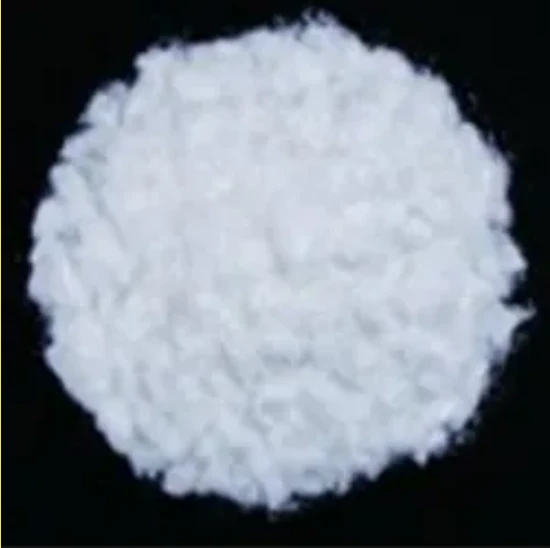
Sodium benzoate is a colorless, crystalline powder that is highly soluble in water. Its primary role in food products is to prevent spoilage caused by microorganisms. As a food additive, it is labeled with the E number E211 and is regulated in many countries, including the United States and European Union, where its use is restricted to specific products and concentrations.
Health Concerns
Despite its approval for use, sodium benzoate has come under scrutiny due to its potential health effects. When sodium benzoate is exposed to acidic conditions, such as those found in carbonated beverages, it can form benzene, a known carcinogen. This reaction typically occurs when sodium benzoate interacts with ascorbic acid (vitamin C). Research has shown that even low levels of benzene can pose significant health risks, leading to concerns about the safety of products containing both ingredients.
Additionally, sodium benzoate has been linked to allergic reactions in some individuals. Symptoms may include itching, rash, headaches, and gastrointestinal disturbances. Particularly vulnerable populations, such as children and those with pre-existing allergies, may experience heightened sensitivity to this additive.
Furthermore, emerging studies have raised questions about the potential neurotoxic effects of sodium benzoate, particularly in the context of hyperactivity in children. Some research suggests that sodium benzoate may exacerbate hyperactivity symptoms in children when consumed in large amounts or in combination with artificial food colorings. These findings have led to calls for more rigorous studies to ascertain the long-term effects of sodium benzoate on behavior and cognitive function.
sodium benzoate harmful
Regulatory Stance
Regulatory bodies like the U.S. Food and Drug Administration (FDA) and the European Food Safety Authority (EFSA) have established acceptable daily intake levels for sodium benzoate. The FDA considers it safe when consumed within these recommended limits. However, the increasing awareness of potential negative health effects has prompted advocacy groups to push for stricter regulations and transparency in food labeling.
Many consumers today are more health-conscious and demand transparency regarding the ingredients in their food. As a result, food manufacturers are responding by reformulating products to eliminate or reduce the use of sodium benzoate, particularly in regions with stringent food safety regulations.
Alternatives to Sodium Benzoate
In light of the potential risks associated with sodium benzoate, some manufacturers are exploring natural preservatives as alternatives. Ingredients such as vinegar, citric acid, and essential oils are gaining popularity for their preservative qualities without the associated risks of synthetic preservatives. These natural alternatives not only offer a safer option but also appeal to the growing market of consumers demanding organic and natural products.
Conclusion
While sodium benzoate serves an important role as a preservative in many products, its potential harmful effects cannot be overlooked. The risk of benzene formation in acidic environments, the possibility of allergic reactions, and concerns regarding hyperactivity in children present valid reasons for consumers and health officials to remain vigilant. While regulatory agencies deem it safe within certain limits, the growing consumer demand for transparency and natural ingredients is leading to a reevaluation of its use in the food industry. As awareness continues to rise, it is crucial for consumers to be informed about what they are consuming and to advocate for safer, healthier food options.
-
How to Choose Dimethyl Disulfide DMDS for Industrial UseNewsNov.09,2026
-
Aspartame Buyer FAQ: Sweetness, Specifications and ApplicationsNewsNov.02,2026
-
Aluminum Hydroxide FAQ: Specifications, Ordering and Support QuestionsNewsOct.28,2026
-
Improve Crop Yield with Premium Calcium Boron FertilizerNewsJul.01,2026
-
Ultimate Guide to Cal Mag Fertilizer for Boosting Plant HealthNewsJun.29,2026
-
Maximize Crop Recovery Using High Performance Bounce Back FertilizerNewsJun.27,2026
-
Maximize Crop Yields and Soil Health with Biozyme FertilizerNewsJun.26,2026
Hebei Tenger Chemical Technology Co., Ltd. focuses on the chemical industry and is committed to the export service of chemical raw materials.
-

view more Tplyltriazole(TTA)Tplyltriazole is a powerful and versatile corrosion inhibitor,it is a white particle or powder that is easily hygroscopic and can be processed into large, small, columnar, fine, or powdered shapes.It is a highly effective solution for preventing rust and corrosion on a variety of metal surfaces, making it an ideal choice for a wide range of applications. -

view more Formic AcidFormic acid, is a colorless, pungent-smelling liquid.With its unique properties and diverse applications that serves a wide range of industrial and commercial applications. -

view more Aluminum HydroxideAluminum Hydroxide, a versatile and essential product for a wide range of applications.This product is a white, amorphous powder that is insoluble in water and has a variety of uses in industries such as pharmaceuticals, cosmetics, and manufacturing.