





Understanding Sodium Benzoate and Its Applications in Food Preservation and Safety
Sodium Benzoate An Overview
Sodium benzoate is a widely used chemical compound, primarily recognized for its role as a preservative in food and beverages. Its molecular formula is C7H5O2Na, and it is the sodium salt of benzoic acid. This colorless, crystalline substance is soluble in water, making it an effective ingredient for various applications. Understanding the properties, uses, and safety of sodium benzoate is crucial for consumers, food manufacturers, and regulatory agencies alike.
Properties and Production
Sodium benzoate is characterized by its sweet, slightly bitter taste and its ability to inhibit the growth of mold, yeast, and some bacteria. It is commonly produced by neutralizing benzoic acid with sodium hydroxide or sodium bicarbonate. Benzoic acid can be naturally found in certain fruits, such as cranberries, prunes, and apples, but sodium benzoate is typically synthesized for commercial purposes.
The compound is often encountered in its powder form or as granules, which can easily dissolve in water. Once dissolved, sodium benzoate maintains its effectiveness as a preservative, particularly in acidic environments like soft drinks and pickles, where its antimicrobial properties are most potent. This makes it a favored choice among food manufacturers, seeking to prolong shelf life while ensuring product safety.
Applications in Food Industry
Sodium benzoate serves primarily as a food preservative. The United States Food and Drug Administration (FDA) has classified it as Generally Recognized as Safe (GRAS) when used in specific concentrations. It is effective in preventing spoilage caused by bacteria and fungi in acidic foods and beverages, such as fruit juices, soft drinks, salad dressings, and sauces. Typically, sodium benzoate is used at concentrations of 0.1% to 0.25%, which is considered safe for consumption.
In addition to its function as a preservative, sodium benzoate also plays a role in the formulation of cosmetics and personal care products. It can act as a stabilizer in certain formulations and help extend the shelf life of creams, lotions, and shampoos.
sodium benzoate is

Safety and Regulatory Status
While sodium benzoate is recognized as safe for consumption when used appropriately, some concerns have been raised about its potential health effects. Research has suggested that in the presence of ascorbic acid (vitamin C), sodium benzoate may form benzene, a substance classified as a carcinogen. However, the levels at which this occurs are typically very low and are unlikely to pose significant health risks under normal consumption conditions.
Regulatory agencies, such as the FDA, European Food Safety Authority (EFSA), and others, conduct regular assessments to ensure the safety of food additives, including sodium benzoate. As guidelines are continually updated based on the latest scientific findings, ongoing monitoring of sodium benzoate’s safety is essential.
Consumer Awareness and Alternatives
As consumers become more health-conscious, there is a growing demand for products free from artificial preservatives. This trend has led to the development of alternative preservation methods, such as natural preservatives (e.g., vinegar, rosemary extract) and improved packaging technologies. Some manufacturers are reformulating their products to reduce or eliminate the use of sodium benzoate, appealing to consumers seeking cleaner labels.
Despite these trends, sodium benzoate remains a staple in the food industry. Its effectiveness, ease of use, and low cost make it a practical choice for many food producers. As with any additive, awareness and education about its use and potential effects are crucial for informed consumer choices.
Conclusion
Sodium benzoate is a versatile and widely used preservative that plays a vital role in maintaining food safety and extending shelf life. Its properties, effectiveness, and regulatory status underline its importance in the food and cosmetic industries. As consumer preferences continue to evolve, the future of sodium benzoate may see challenges from natural alternatives, but its established role in food preservation ensures that it will remain in use for the foreseeable future. Understanding this compound empowers consumers to make informed decisions about the products they choose, balancing safety, shelf life, and personal health.
-
The Essential Guide to Sorbates as Food Preservatives for SafetyNewsApr.16,2026
-
The Ultimate Guide to Sorbate Preservative in Modern IndustryNewsApr.09,2026
-
Comprehensive Guide to Sodium Stearoyl Lactylate Emulsifier Applications and BenefitsNewsApr.07,2026
-
Comprehensive Guide to Sodium Cyclamate Sweetener Properties and ApplicationsNewsApr.04,2026
-
Comprehensive Guide to Sodium Citrate Food Additive and Its ApplicationsNewsMar.31,2026
-
Comprehensive Guide to Sodium Bicarbonate Food Additive Applications and BenefitsNewsMar.28,2026
-
Understanding Sodium Benzoate Preservative in Cosmetics and Its ApplicationsNewsMar.26,2026
Hebei Tenger Chemical Technology Co., Ltd. focuses on the chemical industry and is committed to the export service of chemical raw materials.
-
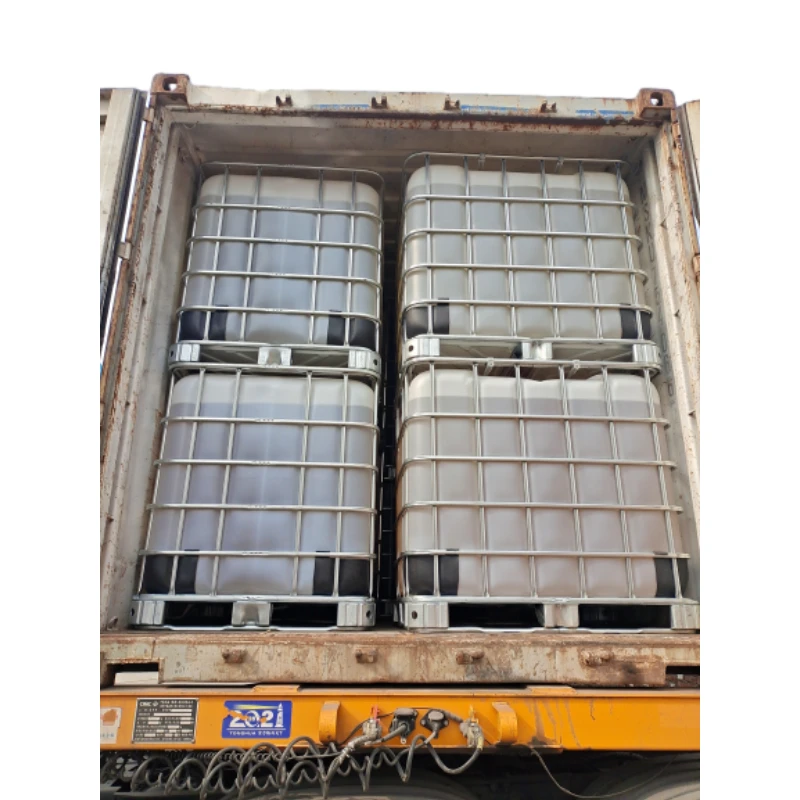
view more DiethanolisopropanolamineIn the ever-growing field of chemical solutions, diethanolisopropanolamine (DEIPA) stands out as a versatile and important compound. Due to its unique chemical structure and properties, DEIPA is of interest to various industries including construction, personal care, and agriculture. -
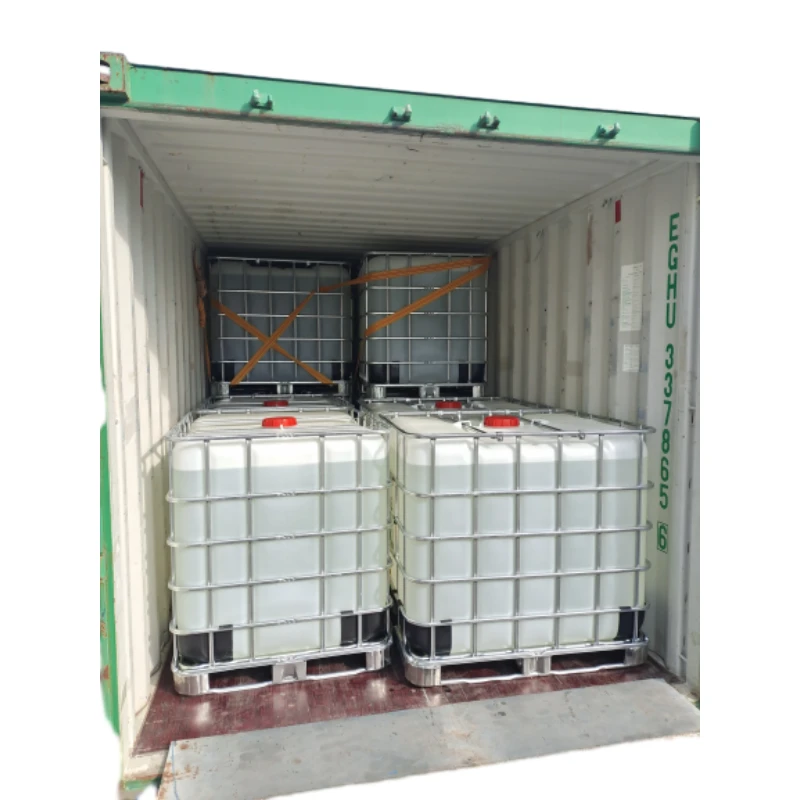
view more TriisopropanolamineTriisopropanolamine (TIPA) alkanol amine substance, is a kind of alcohol amine compound with amino and alcohol hydroxyl, and because of its molecules contains both amino and hydroxyl. -

view more Tetramethyl Thiuram DisulfideTetramethyl thiuram disulfide, also known as TMTD, is a white to light-yellow powder with a distinct sulfur-like odor. It is soluble in organic solvents such as benzene, acetone, and ethyl acetate, making it highly versatile for use in different formulations. TMTD is known for its excellent vulcanization acceleration properties, which makes it a key ingredient in the production of rubber products. Additionally, it acts as an effective fungicide and bactericide, making it valuable in agricultural applications. Its high purity and stability ensure consistent performance, making it a preferred choice for manufacturers across various industries.