





Understanding the Properties and Uses of Sodium Benzoate in Food Preservation
The Role and Significance of Sodium Benzoate in Food Preservation
Sodium benzoate, a widely used food preservative, possesses a fascinating background and plays a crucial role in extending the shelf life of various food products. Chemically, it is the sodium salt of benzoic acid and is represented by the formula C7H5NaO2. This compound is primarily employed in acidic foods and beverages and has been a topic of considerable interest due to its effectiveness and safety when used appropriately.
Historical Context and Discovery
The use of benzoate compounds can be traced back to ancient times when they were derived from natural sources such as the bark of the bitter almond tree. The formal introduction of sodium benzoate as a food preservative occurred in the late 19th century when scientists began to recognize its antimicrobial properties. Initially, it was celebrated for its ability to inhibit the growth of mold, yeast, and certain bacteria, making it an instant favorite among food manufacturers.
Mechanism of Action
The effectiveness of sodium benzoate as a preservative largely hinges on its ability to lower the pH level of food products. When added to acidic foods, sodium benzoate dissociates into benzoic acid, which is more active in its antimicrobial properties. This biochemical action interrupts the metabolic processes of bacteria and fungi, thereby inhibiting their growth and prolonging the freshness of the food. As a result, sodium benzoate is extensively utilized in products such as pickles, sauces, fruit juices, and various carbonated beverages.
Safety and Regulation
Concerns regarding the safety of food additives are a perennial topic of discussion among consumers and health authorities. Sodium benzoate is generally recognized as safe (GRAS) when used in appropriate concentrations. Regulatory bodies, such as the U.S. Food and Drug Administration (FDA) and the European Food Safety Authority (EFSA), have established maximum allowable limits for its use in food products, ensuring that consumer health is prioritized.
sodium benzoate is
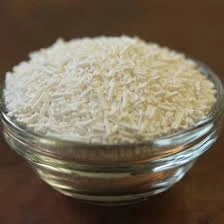
However, some studies have suggested that in combination with ascorbic acid (Vitamin C) and in the presence of certain conditions, sodium benzoate may form benzene, a known carcinogen. This potential reaction has led to ongoing scrutiny and research to ascertain the safety of sodium benzoate in various consumable products. As a preventive measure, manufacturers are continuously working to optimize formulations and processing conditions to mitigate any risks.
Applications Beyond Food
While sodium benzoate is predominantly used in food preservation, its applications extend to other industries, including cosmetics and pharmaceuticals. In personal care products, it acts as a preservative to maintain product integrity, preventing microbial growth over time. In pharmaceuticals, it is often included in formulations to enhance the stability of certain active ingredients.
Environmental Considerations
The environmental impact of sodium benzoate and similar preservatives is another crucial aspect worth noting. Biodegradability studies have shown that sodium benzoate is relatively harmless in natural water environments, breaking down over time without causing significant harm. However, it is essential to ensure that its use is balanced with sustainable practices to minimize adverse effects on ecosystems.
Conclusion
In conclusion, sodium benzoate remains a cornerstone in the realm of food preservation and beyond. Its ability to inhibit microbial growth and extend shelf life underscores its importance in modern food technology. While safety regulations and research continue to evolve, the controlled use of sodium benzoate has provided numerous benefits to consumers and manufacturers alike. As the food industry adapts to changing consumer demands and scientific advancements, sodium benzoate will likely continue to play a vital role in ensuring food safety and quality for years to come.
-
How to Choose Dimethyl Disulfide DMDS for Industrial UseNewsNov.09,2026
-
Aspartame Buyer FAQ: Sweetness, Specifications and ApplicationsNewsNov.02,2026
-
Aluminum Hydroxide FAQ: Specifications, Ordering and Support QuestionsNewsOct.28,2026
-
Improve Crop Yield with Premium Calcium Boron FertilizerNewsJul.01,2026
-
Ultimate Guide to Cal Mag Fertilizer for Boosting Plant HealthNewsJun.29,2026
-
Maximize Crop Recovery Using High Performance Bounce Back FertilizerNewsJun.27,2026
-
Maximize Crop Yields and Soil Health with Biozyme FertilizerNewsJun.26,2026
Hebei Tenger Chemical Technology Co., Ltd. focuses on the chemical industry and is committed to the export service of chemical raw materials.
-

view more Tplyltriazole(TTA)Tplyltriazole is a powerful and versatile corrosion inhibitor,it is a white particle or powder that is easily hygroscopic and can be processed into large, small, columnar, fine, or powdered shapes.It is a highly effective solution for preventing rust and corrosion on a variety of metal surfaces, making it an ideal choice for a wide range of applications. -

view more Formic AcidFormic acid, is a colorless, pungent-smelling liquid.With its unique properties and diverse applications that serves a wide range of industrial and commercial applications. -

view more Aluminum HydroxideAluminum Hydroxide, a versatile and essential product for a wide range of applications.This product is a white, amorphous powder that is insoluble in water and has a variety of uses in industries such as pharmaceuticals, cosmetics, and manufacturing.