





Understanding the Origins and Uses of Sodium Benzoate in Food Preservation and Industry
The Origin of Sodium Benzoate A Historical Perspective
Sodium benzoate is a widely used preservative that has found its way into various industries, particularly food and beverage processing. Known for its ability to inhibit the growth of bacteria, yeast, and fungi, it plays a crucial role in prolonging the shelf life of products. However, to understand its significance in contemporary applications, we must delve into its origins and the history that shaped its use.
Sodium benzoate is the sodium salt of benzoic acid, a naturally occurring compound found in various plants and fruits, particularly in berries. The earliest recorded use of benzoic acid dates back to ancient civilizations, where it was extracted from the benzoin resin. The resin, derived from the bark of the Styrax tree, was primarily used in incense and perfumery due to its aromatic properties. The understanding of benzoic acid and its derivatives began to evolve during the 19th century when chemists started to isolate and study different organic compounds.
The Origin of Sodium Benzoate A Historical Perspective
By the early 20th century, sodium benzoate was recognized in the United States as a safe food additive, particularly after the advent of commercial canning and processing techniques. As food production scales increased, so did the need for reliable preservatives. Sodium benzoate emerged as a favorite due to its effectiveness against a range of microorganisms and its relatively low toxicity compared to other chemical preservatives available at the time.
sodium benzoate origin
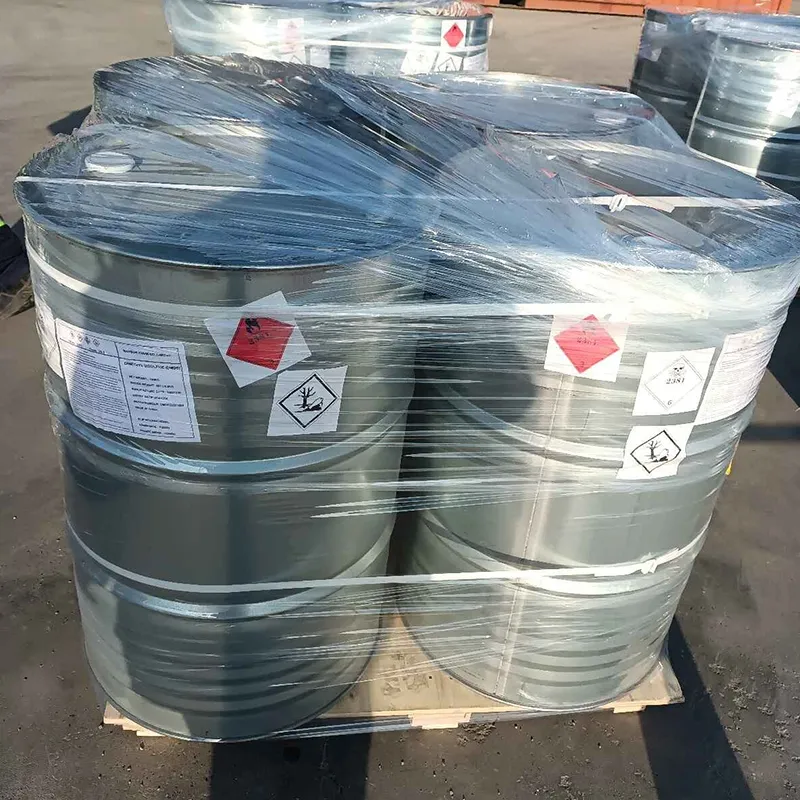
The Food and Drug Administration (FDA) in the United States and similar governmental bodies across the world began to assess the safety and efficacy of sodium benzoate. It was approved for use in a variety of products, including soft drinks, jams, jellies, and pickled foods. The compound was seen as a boon to the food industry, allowing for longer storage times without compromising the safety or quality of the products.
However, while sodium benzoate is generally recognized as safe (GRAS) when used in appropriate concentrations, its use has not been without controversy. Studies have linked sodium benzoate to potential health concerns, particularly when exposed to high temperatures or in acidic environments, where it may form benzene, a known carcinogen. Such findings sparked debates and led to increased scrutiny regarding its use in food products. As a result, regulatory agencies continue to monitor the levels of sodium benzoate in consumables, emphasizing the importance of consumer awareness and safety standards.
In recent years, the conversation around sodium benzoate has expanded beyond just food safety. The rise of health-conscious consumers has prompted industries to explore natural alternatives to chemical preservatives. These trends have led to increased interest in plant-based preservatives, and some companies are actively seeking formulations that can replace sodium benzoate while ensuring product longevity.
Despite the shift toward cleaner labels, sodium benzoate remains an important compound in the world of preservation. Its historical significance laid the foundation for modern food safety practices, and its journey from a natural compound to a synthetic preservative reflects the evolution of the food industry over more than a century.
In conclusion, sodium benzoate's origin is deeply rooted in the quest for food safety and preservation. From its natural beginnings to its synthetic advancements, the compound has been integral in shaping the food processing industry. As consumer preferences evolve, the future of sodium benzoate may continue to be re-evaluated, but its legacy as a pivotal preservation agent is unmistakable.
-
How to Choose Dimethyl Disulfide DMDS for Industrial UseNewsNov.09,2026
-
Aspartame Buyer FAQ: Sweetness, Specifications and ApplicationsNewsNov.02,2026
-
Aluminum Hydroxide FAQ: Specifications, Ordering and Support QuestionsNewsOct.28,2026
-
Improve Crop Yield with Premium Calcium Boron FertilizerNewsJul.01,2026
-
Ultimate Guide to Cal Mag Fertilizer for Boosting Plant HealthNewsJun.29,2026
-
Maximize Crop Recovery Using High Performance Bounce Back FertilizerNewsJun.27,2026
-
Maximize Crop Yields and Soil Health with Biozyme FertilizerNewsJun.26,2026
Hebei Tenger Chemical Technology Co., Ltd. focuses on the chemical industry and is committed to the export service of chemical raw materials.
-

view more Tplyltriazole(TTA)Tplyltriazole is a powerful and versatile corrosion inhibitor,it is a white particle or powder that is easily hygroscopic and can be processed into large, small, columnar, fine, or powdered shapes.It is a highly effective solution for preventing rust and corrosion on a variety of metal surfaces, making it an ideal choice for a wide range of applications. -

view more Formic AcidFormic acid, is a colorless, pungent-smelling liquid.With its unique properties and diverse applications that serves a wide range of industrial and commercial applications. -

view more Aluminum HydroxideAluminum Hydroxide, a versatile and essential product for a wide range of applications.This product is a white, amorphous powder that is insoluble in water and has a variety of uses in industries such as pharmaceuticals, cosmetics, and manufacturing.