





sodium dichloroisocyanurate cas
Understanding Sodium Dichloroisocyanurate A Comprehensive Overview
Sodium dichloroisocyanurate (CAS No. 2893-78-9) is a chemical compound widely acknowledged for its disinfectant and bleaching properties. It belongs to the family of chlorinated isocyanurates and has become increasingly popular in a variety of applications, including water treatment, swimming pool sanitation, and even industrial applications. This article aims to provide an in-depth understanding of sodium dichloroisocyanurate, covering its chemical properties, applications, safety considerations, and environmental impact.
Chemical Structure and Properties
Sodium dichloroisocyanurate possesses a unique chemical structure that contributes to its effectiveness as a disinfectant. The molecule consists of two chlorine atoms, nitrogen, and sodium, making it a stable source of active chlorine when dissolved in water. Its formula is C3Cl2N3NaO3, highlighting the combination of carbon, chlorine, nitrogen, sodium, and oxygen.
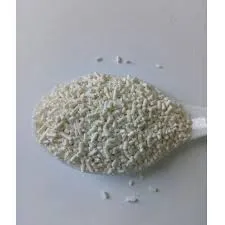
This compound is usually available in a white granular or powdered form, which makes it convenient for handling and application. Upon dissolution in water, sodium dichloroisocyanurate releases hypochlorous acid, which is the primary agent responsible for its antimicrobial activity. The hypochlorous acid effectively kills bacteria, viruses, and other pathogens, making the compound invaluable in sanitation processes.
Applications of Sodium Dichloroisocyanurate
1. Water Treatment
One of the most prominent uses of sodium dichloroisocyanurate is in drinking water and wastewater treatment. It serves as a powerful disinfectant to eliminate harmful microorganisms, ensuring that treated water complies with health standards. The compound's stability in various pH levels and its resistance to degradation make it particularly suitable for long-term water treatment projects.
2. Swimming Pool Sanitation
Sodium dichloroisocyanurate is a common choice for pool sanitizers due to its effectiveness in maintaining water clarity and safety. It helps control algae growth and disinfects the water, providing a clean and enjoyable swimming environment. Its slow-release properties mean that it can maintain residual chlorine levels for extended periods, minimizing the need for frequent applications.
sodium dichloroisocyanurate cas
In various industrial settings, sodium dichloroisocyanurate is used for bleaching and cleaning processes. It can be found in products such as laundry detergents and surface disinfectants. The compound's ability to effectively break down organic materials and stains makes it an ideal choice for industrial laundries and sanitation.
4. Agriculture
Sodium dichloroisocyanurate has found application in agriculture as well. It is used for disinfecting irrigation water and equipment to prevent the spread of plant diseases. Farmers utilize it to ensure the health and safety of crops, promoting better yields and quality products.
Safety and Environmental Impact
Despite its benefits, using sodium dichloroisocyanurate requires attention to safety protocols. The compound can be harmful if ingested, inhaled, or if it comes into contact with skin or eyes. Therefore, it is essential to handle it with care, using appropriate personal protective equipment (PPE) and following safety guidelines outlined by regulatory bodies.
On the environmental side, sodium dichloroisocyanurate breaks down into harmless byproducts when used correctly. However, improper disposal or excessive use can lead to chlorinated compounds entering aquatic ecosystems, potentially harming aquatic life. As with any chemical, responsible use and disposal are critical in minimizing environmental impact.
Conclusion
Sodium dichloroisocyanurate is an essential compound in various applications due to its strong disinfectant properties and stability. As concerns regarding health and hygiene continue to rise, the demand for efficient disinfectants like this will likely grow. However, awareness regarding safety and environmental impact is crucial in ensuring that its usage remains both effective and responsible. By understanding the properties, applications, and precautions associated with sodium dichloroisocyanurate, industries and consumers can make informed choices that promote safety and health in their practices.
-
Aspartame Buyer FAQ: Sweetness, Specifications and ApplicationsNewsNov.02,2026
-
Aluminum Hydroxide FAQ: Specifications, Ordering and Support QuestionsNewsOct.28,2026
-
Improve Crop Yield with Premium Calcium Boron FertilizerNewsJul.01,2026
-
Ultimate Guide to Cal Mag Fertilizer for Boosting Plant HealthNewsJun.29,2026
-
Maximize Crop Recovery Using High Performance Bounce Back FertilizerNewsJun.27,2026
-
Maximize Crop Yields and Soil Health with Biozyme FertilizerNewsJun.26,2026
-
Sustainable Agriculture Guide using bio organic fertilizerNewsJun.25,2026
Hebei Tenger Chemical Technology Co., Ltd. focuses on the chemical industry and is committed to the export service of chemical raw materials.
-

view more Tplyltriazole(TTA)Tplyltriazole is a powerful and versatile corrosion inhibitor,it is a white particle or powder that is easily hygroscopic and can be processed into large, small, columnar, fine, or powdered shapes.It is a highly effective solution for preventing rust and corrosion on a variety of metal surfaces, making it an ideal choice for a wide range of applications. -

view more Formic AcidFormic acid, is a colorless, pungent-smelling liquid.With its unique properties and diverse applications that serves a wide range of industrial and commercial applications. -

view more Aluminum HydroxideAluminum Hydroxide, a versatile and essential product for a wide range of applications.This product is a white, amorphous powder that is insoluble in water and has a variety of uses in industries such as pharmaceuticals, cosmetics, and manufacturing.