





Applications and Benefits of Sodium Metabisulfite E223 in Food Preservation
Understanding Sodium Metabisulfite (E223) Uses, Safety, and Environmental Impact
Sodium metabisulfite, commonly referred to as E223 in the food industry, is a versatile compound with a wide range of applications, primarily in the food and beverage sector. Its chemical formula is Na2S2O5, and it is characterized by its white crystalline powder form, which is odorless but has a distinct sulfurous smell.
Uses of Sodium Metabisulfite
One of the primary uses of sodium metabisulfite is as a preservative. It acts as a strong antioxidant, helping to prevent oxidation in food products. This property makes it particularly useful in the preservation of dried fruits, wines, and certain processed foods. When added to these products, E223 helps to maintain their color, flavor, and overall quality by inhibiting the growth of spoilage microorganisms.
In the wine industry, sodium metabisulfite is employed to prevent spoilage caused by unwanted bacteria and wild yeast, which can affect the wine's quality. It is also used during the fermentation process to eliminate these microorganisms and control the flavor profile of the final product. Furthermore, because it can act as a bleaching agent, sodium metabisulfite is utilized in the production of certain food ingredients, such as glucose syrup and some fruit juices.
Beyond its culinary applications, sodium metabisulfite is employed in various industrial processes, including photography, textile manufacturing, and water treatment. In the photographic industry, it is used as a reducing agent in developing films. In water treatment, it serves to dechlorinate water supplies by neutralizing chlorine, making it safer for consumption.
Safety and Regulatory Status
While sodium metabisulfite is generally recognized as safe (GRAS) by the U.S. Food and Drug Administration (FDA) when used within specified limits, some individuals may experience adverse reactions. People with asthma or sulfite sensitivity can encounter respiratory problems or allergic reactions after consuming foods containing E223. Consequently, foods that include sodium metabisulfite as an ingredient are required to label it, ensuring that sensitive individuals are informed.
sodium metabisulfite e223
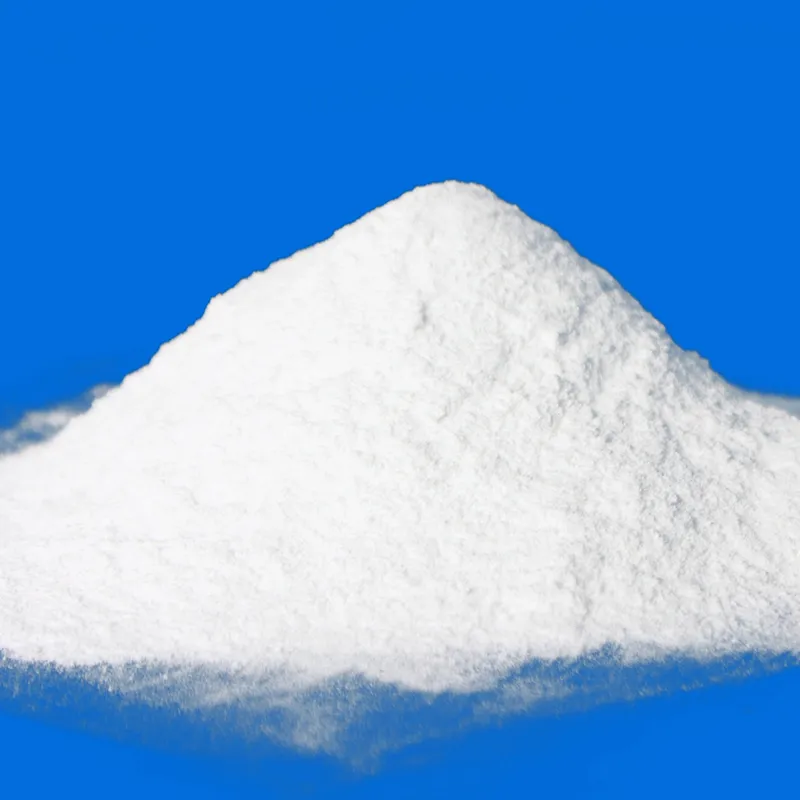
The acceptable daily intake (ADI) of sodium metabisulfite established by regulatory bodies is set to ensure consumer safety. It is essential for manufacturers to adhere to these guidelines to prevent excessive exposure, which could lead to health complications in susceptible populations.
Environmental Impact
The environmental implications of sodium metabisulfite are another area of concern. Due to its reducing properties, it can influence the chemical balance of wastewater when it is discharged from food processing plants or industrial facilities. If not managed properly, the waste containing sodium metabisulfite can contribute to pollution, particularly in aquatic environments.
Additionally, excessive use of sodium metabisulfite in food production can lead to increased levels of sulfites in the ecosystem, which may affect water quality and aquatic life. It is critical for industries to implement effective waste management practices to mitigate any potential environmental risks associated with sodium metabisulfite usage.
Conclusion
Sodium metabisulfite (E223) is a crucial ingredient in the food industry, renowned for its preservative and antioxidant properties. While it plays a significant role in maintaining food quality and safety, awareness about potential allergic reactions and health risks is vital for consumers, especially for those with sensitivities. Moreover, industries must balance the beneficial effects of sodium metabisulfite with its environmental repercussions, ensuring responsible usage and disposal practices.
Overall, sodium metabisulfite remains an essential compound within various sectors. With ongoing research and regulatory oversight, the focus on safe and sustainable practices will continue to mitigate risks, ensuring that both consumers and the environment are protected.
-
The Essential Guide to Sorbates as Food Preservatives for SafetyNewsApr.16,2026
-
The Ultimate Guide to Sorbate Preservative in Modern IndustryNewsApr.09,2026
-
Comprehensive Guide to Sodium Stearoyl Lactylate Emulsifier Applications and BenefitsNewsApr.07,2026
-
Comprehensive Guide to Sodium Cyclamate Sweetener Properties and ApplicationsNewsApr.04,2026
-
Comprehensive Guide to Sodium Citrate Food Additive and Its ApplicationsNewsMar.31,2026
-
Comprehensive Guide to Sodium Bicarbonate Food Additive Applications and BenefitsNewsMar.28,2026
-
Understanding Sodium Benzoate Preservative in Cosmetics and Its ApplicationsNewsMar.26,2026
Hebei Tenger Chemical Technology Co., Ltd. focuses on the chemical industry and is committed to the export service of chemical raw materials.
-
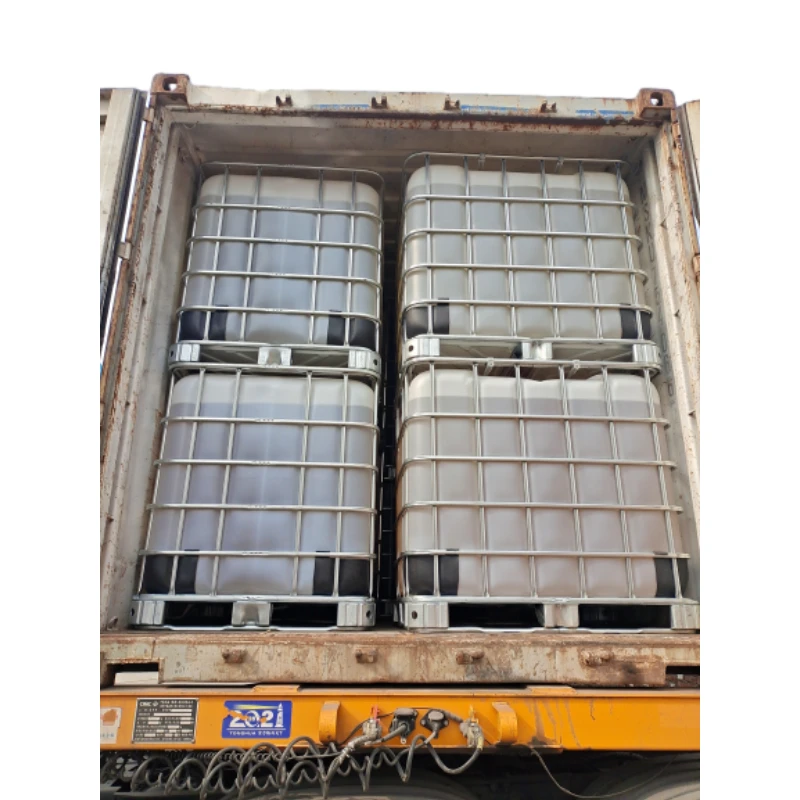
view more DiethanolisopropanolamineIn the ever-growing field of chemical solutions, diethanolisopropanolamine (DEIPA) stands out as a versatile and important compound. Due to its unique chemical structure and properties, DEIPA is of interest to various industries including construction, personal care, and agriculture. -
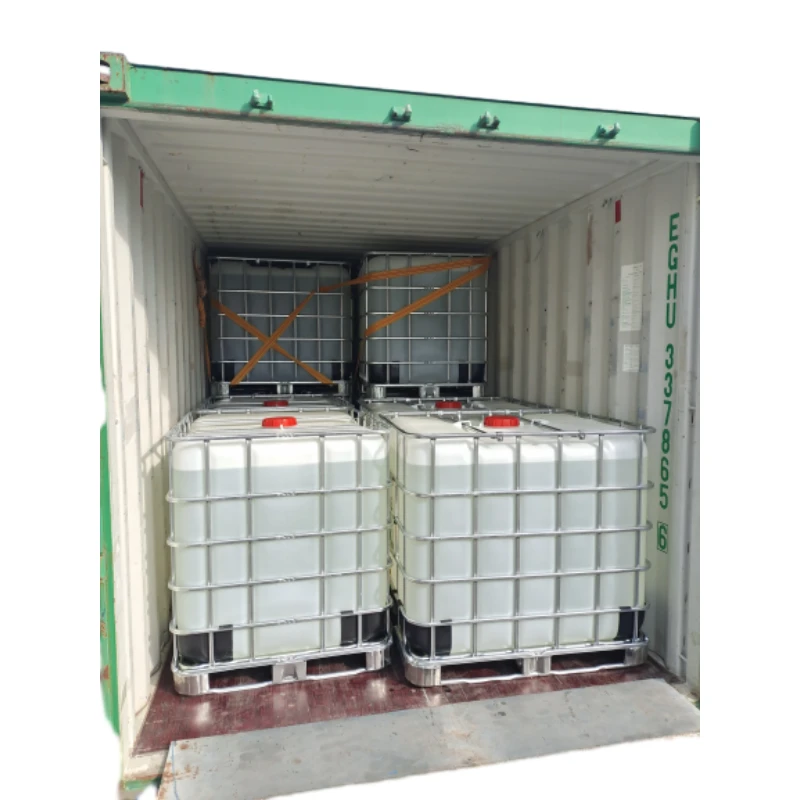
view more TriisopropanolamineTriisopropanolamine (TIPA) alkanol amine substance, is a kind of alcohol amine compound with amino and alcohol hydroxyl, and because of its molecules contains both amino and hydroxyl. -

view more Tetramethyl Thiuram DisulfideTetramethyl thiuram disulfide, also known as TMTD, is a white to light-yellow powder with a distinct sulfur-like odor. It is soluble in organic solvents such as benzene, acetone, and ethyl acetate, making it highly versatile for use in different formulations. TMTD is known for its excellent vulcanization acceleration properties, which makes it a key ingredient in the production of rubber products. Additionally, it acts as an effective fungicide and bactericide, making it valuable in agricultural applications. Its high purity and stability ensure consistent performance, making it a preferred choice for manufacturers across various industries.