





sorbic acid food preservative
Sorbic Acid A Key Player in Food Preservation
Sorbic acid, a natural organic compound, has long been recognized as an essential food preservative in the modern food industry. Its unique properties make it an effective agent against mold, yeast, and certain bacteria, greatly extending the shelf life of various food products. This article delves into the characteristics, applications, safety, and the future prospects of sorbic acid in food preservation.
What is Sorbic Acid?
Chemically known as 2,4-hexadienoic acid, sorbic acid is a unsaturated fatty acid. Discovered in the 1850s, it is derived from the berries of the rowan tree (Sorbus aucuparia), from which it gets its name. Today, sorbic acid is produced synthetically and is widely used in the food industry as a preservative, largely because of its ability to inhibit the growth of molds and yeasts, which are common spoilage agents in a variety of food products.
How Does Sorbic Acid Work?
Sorbic acid exerts its antimicrobial effects primarily by disrupting the cellular membrane of molds and yeast, thereby inhibiting their growth and reproduction. This mechanism is particularly crucial in foods that have high moisture content or a low pH—environments where microorganisms are likely to thrive. Sorbic acid is most effective in preserving products that include fruits, baked goods, beverages, and dairy items, among others.
Applications in the Food Industry
The versatility of sorbic acid as a food preservative is one of its greatest advantages. It is commonly used in
- Dairy Products Sorbic acid helps to prolong the shelf life of cheese, yogurt, and other dairy products by preventing mold growth. - Baked Goods In items such as bread and cakes, sorbic acid effectively controls spoilage from yeast and molds, ensuring freshness and quality.
- Beverages Many fruit juices and soft drinks contain sorbic acid to prevent spoilage and maintain flavor stability
.sorbic acid food preservative
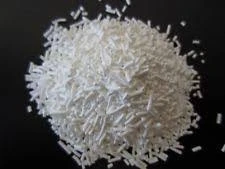
- Processed Foods It is also used in various processed foods like salads, sauces, and condiments to protect against microbial spoilage.
Safety and Regulation
Sorbic acid is generally recognized as safe (GRAS) by the U.S. Food and Drug Administration (FDA) and is permitted in food products within specific limits. The acceptable daily intake of sorbic acid has been established, and numerous studies have demonstrated its low toxicity levels when consumed at typical dietary levels. Nevertheless, as with any food additive, individuals may have varying levels of sensitivity to sorbic acid, and allergic reactions, though rare, can occur.
Advantages Over Other Preservatives
Compared to traditional preservatives such as sodium benzoate and potassium sorbate, sorbic acid has several advantages. It often poses fewer health risks, has a lower potential for causing adverse reactions, and is effective in lower concentrations. Additionally, sorbic acid does not alter the taste or smell of the food, making it a consumer-friendly option.
The Future of Sorbic Acid in Food Preservation
As the demand for clean-label products increases, food manufacturers are turning to natural preservatives, including sorbic acid, due to its effectiveness and safety profile. Innovative research is being explored to enhance its preservative capabilities, including the development of sorbic acid-based nanomaterials that can be used in food packaging.
Moreover, biotechnological advancements may lead to the discovery of novel methods to synthesize sorbic acid more sustainably, reducing environmental impact while meeting consumer demand.
Conclusion
Sorbic acid plays an integral role in food preservation, enabling manufacturers to provide safe, high-quality products that retain their freshness over time. With its effectiveness, safety, and growing popularity in the clean-label movement, sorbic acid stands out as a crucial ally in the ongoing quest to enhance food shelf life while ensuring consumer health and satisfaction. As the food industry continues to evolve, sorbic acid will undoubtedly remain a key player in food preservation strategies for years to come.
-
How to Choose Dimethyl Disulfide DMDS for Industrial UseNewsNov.09,2026
-
Aspartame Buyer FAQ: Sweetness, Specifications and ApplicationsNewsNov.02,2026
-
Aluminum Hydroxide FAQ: Specifications, Ordering and Support QuestionsNewsOct.28,2026
-
Improve Crop Yield with Premium Calcium Boron FertilizerNewsJul.01,2026
-
Ultimate Guide to Cal Mag Fertilizer for Boosting Plant HealthNewsJun.29,2026
-
Maximize Crop Recovery Using High Performance Bounce Back FertilizerNewsJun.27,2026
-
Maximize Crop Yields and Soil Health with Biozyme FertilizerNewsJun.26,2026
Hebei Tenger Chemical Technology Co., Ltd. focuses on the chemical industry and is committed to the export service of chemical raw materials.
-

view more Tplyltriazole(TTA)Tplyltriazole is a powerful and versatile corrosion inhibitor,it is a white particle or powder that is easily hygroscopic and can be processed into large, small, columnar, fine, or powdered shapes.It is a highly effective solution for preventing rust and corrosion on a variety of metal surfaces, making it an ideal choice for a wide range of applications. -

view more Formic AcidFormic acid, is a colorless, pungent-smelling liquid.With its unique properties and diverse applications that serves a wide range of industrial and commercial applications. -

view more Aluminum HydroxideAluminum Hydroxide, a versatile and essential product for a wide range of applications.This product is a white, amorphous powder that is insoluble in water and has a variety of uses in industries such as pharmaceuticals, cosmetics, and manufacturing.