





Sustainable Practices in Agriculture The Role of Fertilizers in Crop Production
The Role of Fertilizers in Modern Agriculture
Fertilizers have become an integral component in modern agriculture, significantly enhancing crop yields and ensuring food security for a growing global population. With the world's population projected to exceed 9 billion by 2050, the demand for food is expected to rise dramatically. In this context, understanding the role of fertilizers becomes crucial, not only for agricultural productivity but also for sustainability and environmental stewardship.
The Role of Fertilizers in Modern Agriculture
One of the most significant advantages of fertilizers is their ability to replenish soil nutrients that are depleted through continuous cropping. Nutrient deficiency can lead to reduced plant growth, poor yields, and vulnerability to pests and diseases. For instance, nitrogen is a key component of amino acids and proteins, making it essential for the growth of leafy vegetables and cereals. Phosphorus aids in root development and energy transfer, while potassium enhances overall plant health and resilience. By applying the right type and amount of fertilizer, farmers can achieve optimal yield and contribute to food security.
fertilizer agriculture
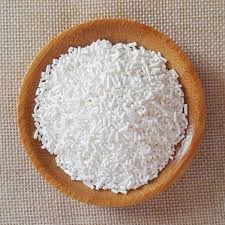
However, the use of fertilizers is not without controversy. Over-reliance on chemical fertilizers can lead to environmental problems, such as soil degradation, water pollution, and loss of biodiversity. Excessive fertilizer application can result in nutrient runoff into water bodies, causing eutrophication, which leads to algal blooms and depletion of oxygen in aquatic systems. This can have devastating effects on marine life and disrupt entire ecosystems. Furthermore, the production and transportation of synthetic fertilizers contribute to greenhouse gas emissions, exacerbating climate change.
To mitigate these negative effects, sustainable farming practices are being advocated. Integrated Nutrient Management (INM) emphasizes the balanced use of organic and inorganic fertilizers, promoting soil health and reducing reliance on chemical inputs. Crop rotation, cover cropping, and agroecological practices can enhance soil fertility naturally while minimizing the environmental impact of agriculture. Precision farming technologies also enable farmers to apply fertilizers more efficiently, using soil and crop sensors to determine the exact nutrient needs of specific crops.
Moreover, education and awareness among farmers regarding the proper use of fertilizers are crucial. Training programs can help farmers understand the importance of soil testing, appropriate fertilization timing, and application methods. With increased awareness, farmers can make informed decisions that optimize nutrient use while minimizing environmental harm.
In conclusion, fertilizers play a crucial role in modern agriculture by enhancing crop yields and supporting food security. However, their application must be managed responsibly to prevent adverse environmental effects. By adopting sustainable practices, farmers can balance productivity with ecological health, ensuring that agriculture remains viable for future generations. As the global population continues to grow, the challenge lies in meeting food demand while preserving our planet's resources. Through innovation and education, we can create a sustainable agricultural system that benefits both people and the environment.
-
How to Choose Dimethyl Disulfide DMDS for Industrial UseNewsNov.09,2026
-
Aspartame Buyer FAQ: Sweetness, Specifications and ApplicationsNewsNov.02,2026
-
Aluminum Hydroxide FAQ: Specifications, Ordering and Support QuestionsNewsOct.28,2026
-
Improve Crop Yield with Premium Calcium Boron FertilizerNewsJul.01,2026
-
Ultimate Guide to Cal Mag Fertilizer for Boosting Plant HealthNewsJun.29,2026
-
Maximize Crop Recovery Using High Performance Bounce Back FertilizerNewsJun.27,2026
-
Maximize Crop Yields and Soil Health with Biozyme FertilizerNewsJun.26,2026
Hebei Tenger Chemical Technology Co., Ltd. focuses on the chemical industry and is committed to the export service of chemical raw materials.
-

view more Tplyltriazole(TTA)Tplyltriazole is a powerful and versatile corrosion inhibitor,it is a white particle or powder that is easily hygroscopic and can be processed into large, small, columnar, fine, or powdered shapes.It is a highly effective solution for preventing rust and corrosion on a variety of metal surfaces, making it an ideal choice for a wide range of applications. -

view more Formic AcidFormic acid, is a colorless, pungent-smelling liquid.With its unique properties and diverse applications that serves a wide range of industrial and commercial applications. -

view more Aluminum HydroxideAluminum Hydroxide, a versatile and essential product for a wide range of applications.This product is a white, amorphous powder that is insoluble in water and has a variety of uses in industries such as pharmaceuticals, cosmetics, and manufacturing.