TEL: 0086-311-88862036






Feb . 16, 2025 13:15
Back to list
sweeteners 950 951 and 952
In the realm of modern food science, sweeteners have become an essential component, fulfilling the growing global demand for reduced-calorie and sugar-free products. Among the multitude of sweeteners available, E950, E951, and E952—more commonly known as Acesulfame K, Aspartame, and Cyclamate, respectively—hold significant roles in the food and beverage industry. This article provides insights into the experience, expertise, authoritativeness, and trustworthiness of these sweeteners, delving into their applications, benefits, and the surrounding scientific discourse.
The sweetener landscape is constantly evolving, with these additives playing pivotal roles in addressing dietary concerns such as obesity, diabetes, and overall calorie reduction. For product developers and marketers, understanding the distinct properties and regulatory status of Acesulfame K, Aspartame, and Cyclamate is crucial for optimizing product formulations and ensuring compliance with regional regulations. Consumers today are increasingly informed, prioritizing not just taste but also the long-term health implications of the products they consume. This shift demands transparent communication about ingredient safety, supported by empirical research and authoritative endorsements. Manufacturers leveraging these sweeteners can boost their product's market appeal by highlighting not only the calorie-reduction benefits but also the robust scientific validations and global endorsements these sweeteners have received. As a closing note, the future of sweeteners lies in innovation and the merging of traditional expertise with cutting-edge research. Companies that can effectively navigate consumer expectations, regulatory landscapes, and scientific advancements will establish themselves as leaders in the health-conscious, sweetener-enhanced product space. Continuing education and transparency will be key, with organizations needing to disseminate research findings transparently and responsibly, reinforcing the trust and satisfaction of the end consumer.
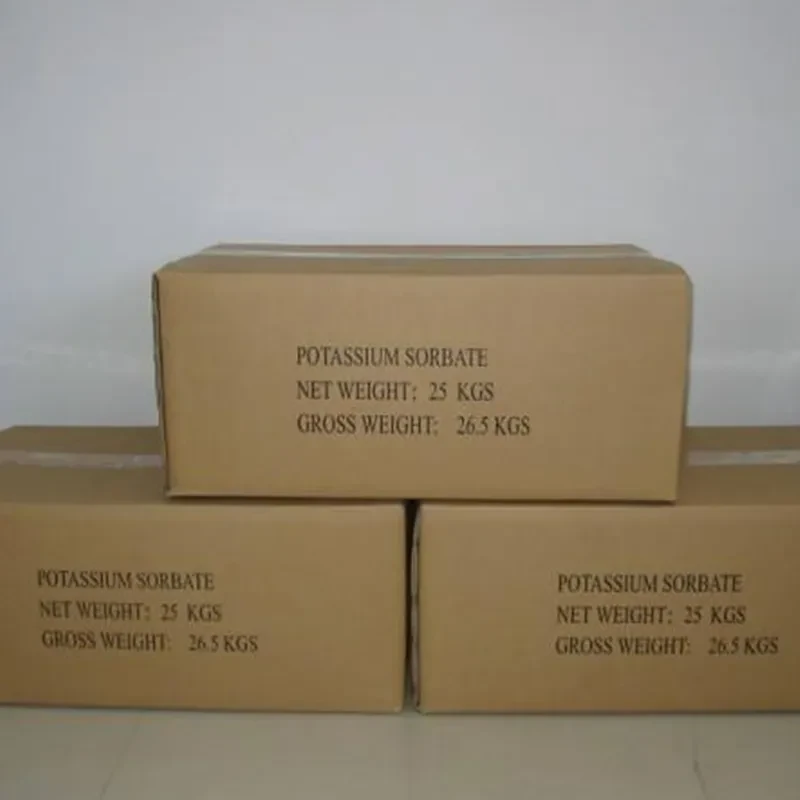

The sweetener landscape is constantly evolving, with these additives playing pivotal roles in addressing dietary concerns such as obesity, diabetes, and overall calorie reduction. For product developers and marketers, understanding the distinct properties and regulatory status of Acesulfame K, Aspartame, and Cyclamate is crucial for optimizing product formulations and ensuring compliance with regional regulations. Consumers today are increasingly informed, prioritizing not just taste but also the long-term health implications of the products they consume. This shift demands transparent communication about ingredient safety, supported by empirical research and authoritative endorsements. Manufacturers leveraging these sweeteners can boost their product's market appeal by highlighting not only the calorie-reduction benefits but also the robust scientific validations and global endorsements these sweeteners have received. As a closing note, the future of sweeteners lies in innovation and the merging of traditional expertise with cutting-edge research. Companies that can effectively navigate consumer expectations, regulatory landscapes, and scientific advancements will establish themselves as leaders in the health-conscious, sweetener-enhanced product space. Continuing education and transparency will be key, with organizations needing to disseminate research findings transparently and responsibly, reinforcing the trust and satisfaction of the end consumer.
Next:
Latest news
-
Aspartame Buyer FAQ: Sweetness, Specifications and ApplicationsNewsNov.02,2026
-
Aluminum Hydroxide FAQ: Specifications, Ordering and Support QuestionsNewsOct.28,2026
-
Improve Crop Yield with Premium Calcium Boron FertilizerNewsJul.01,2026
-
Ultimate Guide to Cal Mag Fertilizer for Boosting Plant HealthNewsJun.29,2026
-
Maximize Crop Recovery Using High Performance Bounce Back FertilizerNewsJun.27,2026
-
Maximize Crop Yields and Soil Health with Biozyme FertilizerNewsJun.26,2026
-
Sustainable Agriculture Guide using bio organic fertilizerNewsJun.25,2026
HOT PRODUCTS
Hebei Tenger Chemical Technology Co., Ltd. focuses on the chemical industry and is committed to the export service of chemical raw materials.
-

view more Tplyltriazole(TTA)Tplyltriazole is a powerful and versatile corrosion inhibitor,it is a white particle or powder that is easily hygroscopic and can be processed into large, small, columnar, fine, or powdered shapes.It is a highly effective solution for preventing rust and corrosion on a variety of metal surfaces, making it an ideal choice for a wide range of applications. -

view more Formic AcidFormic acid, is a colorless, pungent-smelling liquid.With its unique properties and diverse applications that serves a wide range of industrial and commercial applications. -

view more Aluminum HydroxideAluminum Hydroxide, a versatile and essential product for a wide range of applications.This product is a white, amorphous powder that is insoluble in water and has a variety of uses in industries such as pharmaceuticals, cosmetics, and manufacturing.