





synthetic emulsifiers
Synthetic Emulsifiers An Overview of Their Use and Impact
In the world of food science and manufacturing, emulsifiers play a critical role in enhancing the texture, stability, and overall quality of products. Among the various categories of emulsifiers, synthetic emulsifiers have gained significant attention due to their effectiveness and versatility. This article delves into the nature of synthetic emulsifiers, their applications, and the implications of their use in food products.
What Are Synthetic Emulsifiers?
Synthetic emulsifiers are man-made substances crafted to stabilize emulsions—mixture of oil and water—which typically do not mix well. They are often derived from petroleum or created through chemical processes. Unlike natural emulsifiers, such as lecithin found in egg yolks or soybeans, synthetic emulsifiers offer specific properties tailored for industrial applications. Common examples include mono- and diglycerides, polyglycerol esters, and sorbitan esters.
Applications in Food Industry
Synthetic emulsifiers are widely used across various food products. They are particularly prevalent in baked goods, dairy products, sauces, and dressings. In baked goods, for instance, emulsifiers help retain moisture, improve volume, and extend shelf life. They ensure a uniform texture and prevent the separation of ingredients, thus enhancing the overall consumer experience.
In dairy products like ice cream and cheese, synthetic emulsifiers contribute to creaminess and stability, preventing the formation of ice crystals that can degrade texture. Similarly, in salad dressings and sauces, they aid in achieving a smooth, homogenous mixture, allowing for the consistent distribution of flavors and ingredients.
Advantages of Synthetic Emulsifiers
One of the primary advantages of synthetic emulsifiers is their reliability and consistency. They are designed to function effectively across a wide range of temperatures and pH levels, making them suitable for various food production processes. Their ability to improve viscosity, texture, and mouthfeel contributes to a more appealing final product, ultimately enhancing consumer satisfaction.
synthetic emulsifiers
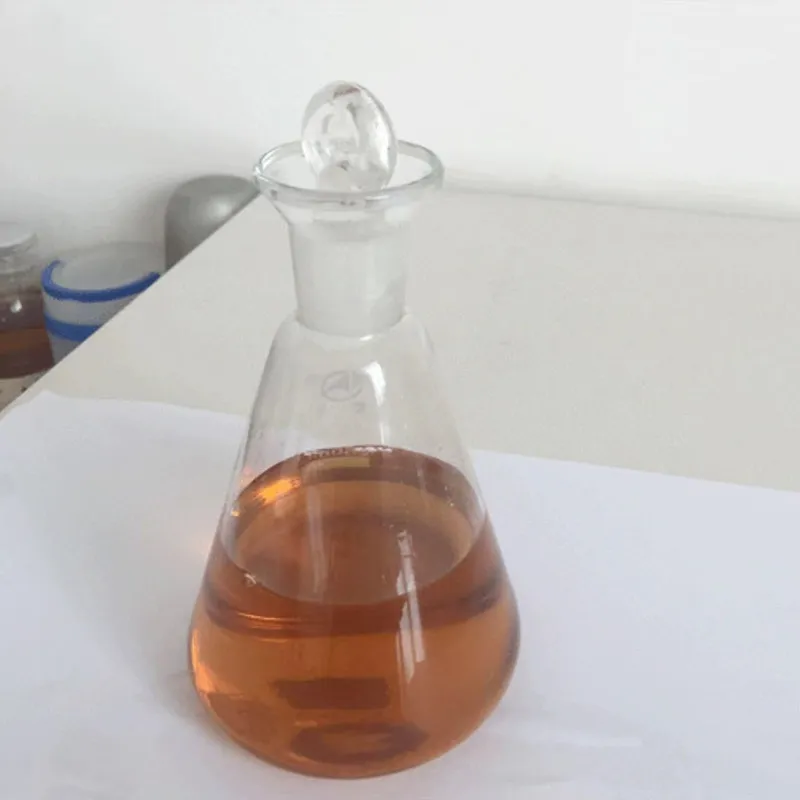
Additionally, synthetic emulsifiers can be more cost-effective for manufacturers. They often require lower quantities to achieve desired emulsification compared to natural alternatives, leading to potential cost savings in large-scale production.
Concerns and Considerations
Despite their benefits, the use of synthetic emulsifiers raises concerns in terms of health and the environment. Some consumers prefer natural ingredients, viewing synthetic additives with skepticism. As a result, there is a growing demand for clean label products—those that minimize or eliminate synthetic additives.
Furthermore, research has suggested that certain synthetic emulsifiers may impact gut health and microbial balance. While more studies are needed to fully understand these implications, consumers are increasingly cautious about their intake of synthetic additives.
Another critical consideration is the environmental impact of synthetic emulsifiers. The production processes often involve petroleum derivatives, raising concerns about sustainability. As the food industry moves toward greener practices, it is essential to explore eco-friendly emulsifier alternatives.
The Future of Emulsifiers in Food Science
As the food landscape continues to evolve, so does the quest for more natural and sustainable emulsifiers. Research and innovation in the field aim to develop new emulsifiers derived from renewable resources, enhancing the viability of natural alternatives. Additionally, the industry is witnessing an increase in transparency, with manufacturers striving for clearer labeling and better communication regarding their ingredient choices.
In conclusion, synthetic emulsifiers serve a crucial role in the food industry, offering benefits in terms of stability, texture, and cost-effectiveness. However, as consumer preferences shift toward natural and sustainable options, the challenge remains for the industry to balance these needs with the demands of production efficiency and food quality. The ongoing exploration of emulsifier science will be pivotal in shaping the future of food innovation.
-
How to Choose Dimethyl Disulfide DMDS for Industrial UseNewsNov.09,2026
-
Aspartame Buyer FAQ: Sweetness, Specifications and ApplicationsNewsNov.02,2026
-
Aluminum Hydroxide FAQ: Specifications, Ordering and Support QuestionsNewsOct.28,2026
-
Improve Crop Yield with Premium Calcium Boron FertilizerNewsJul.01,2026
-
Ultimate Guide to Cal Mag Fertilizer for Boosting Plant HealthNewsJun.29,2026
-
Maximize Crop Recovery Using High Performance Bounce Back FertilizerNewsJun.27,2026
-
Maximize Crop Yields and Soil Health with Biozyme FertilizerNewsJun.26,2026
Hebei Tenger Chemical Technology Co., Ltd. focuses on the chemical industry and is committed to the export service of chemical raw materials.
-

view more Tplyltriazole(TTA)Tplyltriazole is a powerful and versatile corrosion inhibitor,it is a white particle or powder that is easily hygroscopic and can be processed into large, small, columnar, fine, or powdered shapes.It is a highly effective solution for preventing rust and corrosion on a variety of metal surfaces, making it an ideal choice for a wide range of applications. -

view more Formic AcidFormic acid, is a colorless, pungent-smelling liquid.With its unique properties and diverse applications that serves a wide range of industrial and commercial applications. -

view more Aluminum HydroxideAluminum Hydroxide, a versatile and essential product for a wide range of applications.This product is a white, amorphous powder that is insoluble in water and has a variety of uses in industries such as pharmaceuticals, cosmetics, and manufacturing.