





The Relationship between Formaldehyde and Formic Acid in Chemical Reactions
Formaldehyde and Formic Acid Their Properties and Applications
Formaldehyde is a colorless, pungent gas that plays a vital role in various industrial applications. It is primarily produced through the oxidation of methanol and is widely recognized for its effectiveness as a preservative and disinfectant. Formic acid, on the other hand, is the simplest carboxylic acid, known for its corrosive properties and distinctive odor. Although these two compounds are chemically distinct, they are often discussed together due to their interrelation in organic chemistry and their applications in various fields.
Formaldehyde is utilized in the production of resins, such as urea-formaldehyde and phenol-formaldehyde, which are critical in manufacturing composite wood products and insulation materials. In the agricultural sector, it serves as a vital disinfectant and preservative for animal feed. However, formaldehyde is also associated with health risks; prolonged exposure can lead to respiratory issues and is classified as a potential human carcinogen. Thus, stringent regulations govern its use, necessitating a careful approach in its handling and application.
Formic acid, with its chemical formula HCOOH, is found naturally in the venom of ants and in the stings of certain insects. Its industrial production mainly involves the carbonylation of methanol. Formic acid is renowned for its use as a preservative in agriculture, particularly in silage production, where it inhibits the growth of undesirable bacteria. Additionally, it is employed in the leather and textile industries, where it acts as a dyeing agent and pH regulator.
formaldehyde and formic acid
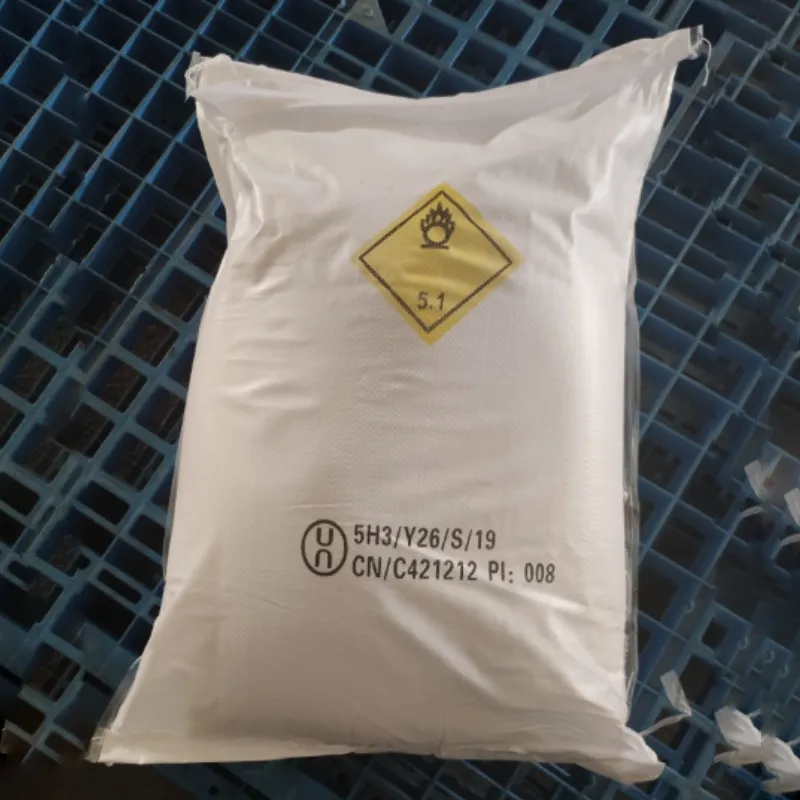
Both formaldehyde and formic acid exhibit important characteristics that make them invaluable in the chemical industry
. For instance, formaldehyde’s ability to undergo polymerization allows it to form stable resins, while formic acid is appreciated for its strong acidity and capability to act as a reducing agent in various reactions.Despite their usefulness, safety concerns are paramount. Manufacturers and users of these chemicals must adhere to safety guidelines to minimize exposure risks. The regulatory landscape continues to shift, with increasing scrutiny on the environmental and health impacts of chemical substances.
In conclusion, formaldehyde and formic acid, while distinct, share a significant overlap in industrial applications. Their unique properties facilitate their use in various sectors, from construction to agriculture. Understanding their characteristics, applications, and associated risks is crucial for safe and effective utilization in modern society.
-
How to Choose Dimethyl Disulfide DMDS for Industrial UseNewsNov.09,2026
-
Aspartame Buyer FAQ: Sweetness, Specifications and ApplicationsNewsNov.02,2026
-
Aluminum Hydroxide FAQ: Specifications, Ordering and Support QuestionsNewsOct.28,2026
-
Improve Crop Yield with Premium Calcium Boron FertilizerNewsJul.01,2026
-
Ultimate Guide to Cal Mag Fertilizer for Boosting Plant HealthNewsJun.29,2026
-
Maximize Crop Recovery Using High Performance Bounce Back FertilizerNewsJun.27,2026
-
Maximize Crop Yields and Soil Health with Biozyme FertilizerNewsJun.26,2026
Hebei Tenger Chemical Technology Co., Ltd. focuses on the chemical industry and is committed to the export service of chemical raw materials.
-

view more Tplyltriazole(TTA)Tplyltriazole is a powerful and versatile corrosion inhibitor,it is a white particle or powder that is easily hygroscopic and can be processed into large, small, columnar, fine, or powdered shapes.It is a highly effective solution for preventing rust and corrosion on a variety of metal surfaces, making it an ideal choice for a wide range of applications. -

view more Formic AcidFormic acid, is a colorless, pungent-smelling liquid.With its unique properties and diverse applications that serves a wide range of industrial and commercial applications. -

view more Aluminum HydroxideAluminum Hydroxide, a versatile and essential product for a wide range of applications.This product is a white, amorphous powder that is insoluble in water and has a variety of uses in industries such as pharmaceuticals, cosmetics, and manufacturing.