





Thickening Agents in Culinary Practices for Enhanced Texture and Flavor
Thickening Agents Used in Cooking
Thickening agents play a crucial role in the culinary world, transforming soups, sauces, gravies, and desserts into rich and velvety dishes. By increasing the viscosity of liquids, these agents help improve texture and mouthfeel, making food more enjoyable and visually appealing. In this article, we will explore various types of thickening agents, their characteristics, and their applications in cooking.
1. Starches
Starches are among the most common thickening agents used in kitchens worldwide. They can be derived from various sources, including corn, wheat, potatoes, and tapioca. Each type of starch functions slightly differently, affecting the final product in unique ways.
Cornstarch is perhaps the most popular thickener, offering a clear and glossy finish to sauces and puddings. When mixed with cold water, it forms a slurry that can be whisked into simmering liquid, creating a smooth consistency. However, it should be used cautiously, as overcooking can break down the starch, leading to a watery texture.
All-purpose flour is another traditional thickener, commonly used in roux, a mixture of flour and fat cooked together. Roux is the base for many classic sauces, including béchamel and gumbo, and provides a rich flavor along with thickening properties. However, flour requires longer cooking times to eliminate its raw taste.
Potato starch and tapioca starch are also effective thickeners that create a glossy finish. Potato starch is suitable for refrigerated dishes as it maintains its thickness even when cold, while tapioca starch is often used in desserts and pie fillings due to its ability to withstand freezing.
2. Gums
.
Gums are another category of thickening agents, often derived from natural sources such as plants or seaweed. They can provide exceptional thickening capabilities and stability even under varying conditions.
Xanthan gum is a popular choice in gluten-free cooking, as it mimics the properties of gluten in providing structure and thickness. It is particularly effective in sauces and dressings, where it imparts a smooth texture without altering flavor. Xanthan gum should be used in small quantities, as a little goes a long way.
thickening agent used in cooking
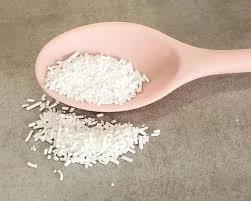
Guar gum and locust bean gum are other examples, typically used in commercial food products for their stabilizing and thickening properties. These gums work well in dairy products and sauces, maintaining consistency over time.
3. Vegetable Purees
Using vegetable purees as thickening agents is a great way to enhance both texture and nutrition in dishes. Pureed vegetables such as pumpkin, carrots, or potatoes can be stirred into soups and sauces to create a thicker consistency without the need for added starches or flours. Not only do these purees add body, but they also provide additional vitamins and flavors, making the dish healthier.
4. Egg Yolks
Egg yolks are a classic thickening agent, particularly in custards and creamy sauces like hollandaise. When blended into a mixture and gently heated, the proteins in the yolks coagulate, resulting in a rich and smooth texture. However, caution is required during this process to avoid scrambling the eggs. Tempering is often recommended, which involves slowly adding hot liquid to the yolks to gradually raise their temperature.
5. Agar-Agar
For those seeking vegetarian or vegan options, agar-agar is an excellent alternative to gelatin. Derived from red algae, agar-agar thickens liquids and forms gels when cooled, making it popular in desserts such as jellies and panna cotta. Its setting properties are stronger than gelatin, requiring less product and delivering a firmer texture.
Conclusion
Thickening agents are indispensable in the culinary arts, each bringing its unique properties to a variety of dishes. Understanding their characteristics and applications allows cooks to skillfully manipulate textures, create richness, and enhance flavors. Whether using starches, gums, vegetable purees, egg yolks, or agar-agar, the right thickening agent can elevate a dish from ordinary to extraordinary, showcasing the art and science of cooking. Embracing these ingredients opens up endless possibilities in both home kitchens and professional culinary settings.
-
Aspartame Buyer FAQ: Sweetness, Specifications and ApplicationsNewsNov.02,2026
-
Aluminum Hydroxide FAQ: Specifications, Ordering and Support QuestionsNewsOct.28,2026
-
Improve Crop Yield with Premium Calcium Boron FertilizerNewsJul.01,2026
-
Ultimate Guide to Cal Mag Fertilizer for Boosting Plant HealthNewsJun.29,2026
-
Maximize Crop Recovery Using High Performance Bounce Back FertilizerNewsJun.27,2026
-
Maximize Crop Yields and Soil Health with Biozyme FertilizerNewsJun.26,2026
-
Sustainable Agriculture Guide using bio organic fertilizerNewsJun.25,2026
Hebei Tenger Chemical Technology Co., Ltd. focuses on the chemical industry and is committed to the export service of chemical raw materials.
-

view more Tplyltriazole(TTA)Tplyltriazole is a powerful and versatile corrosion inhibitor,it is a white particle or powder that is easily hygroscopic and can be processed into large, small, columnar, fine, or powdered shapes.It is a highly effective solution for preventing rust and corrosion on a variety of metal surfaces, making it an ideal choice for a wide range of applications. -

view more Formic AcidFormic acid, is a colorless, pungent-smelling liquid.With its unique properties and diverse applications that serves a wide range of industrial and commercial applications. -

view more Aluminum HydroxideAluminum Hydroxide, a versatile and essential product for a wide range of applications.This product is a white, amorphous powder that is insoluble in water and has a variety of uses in industries such as pharmaceuticals, cosmetics, and manufacturing.