





titanium dioxide food additive
Titanium Dioxide as a Food Additive Safety, Usage, and Controversies
Titanium dioxide (TiO2) is a widely used food additive that serves primarily as a colorant, providing opacity and brightness to various food products. Often labeled as E171 in the European Union, titanium dioxide holds a significant place in the food industry due to its favorable properties and versatility. However, its safety has garnered significant attention and debate among health experts, regulatory bodies, and consumers.
What is Titanium Dioxide?
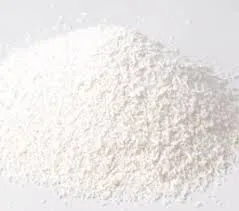
Titanium dioxide is a naturally occurring mineral that is extracted from ores like ilmenite and rutile. It is non-toxic and chemically inert, which makes it suitable for multiple applications beyond food, including cosmetics, paints, and coatings. The compound is primarily used in the food industry to enhance the appearance of products like candies, baked goods, sauces, and dairy items. Acting as a whitener, it helps improve the visual appeal and stability of food by making colors more vivid and consistent.
Safety Assessments and Regulations
Regulatory authorities such as the U.S. Food and Drug Administration (FDA) and the European Food Safety Authority (EFSA) have previously deemed titanium dioxide safe for consumption within specified limits. The FDA classifies it as generally recognized as safe (GRAS) when used in accordance with stipulated guidelines. In Europe, the EFSA conducted a thorough review and established acceptable daily intake levels, aiming to ensure consumer safety.
However, recent studies have prompted further investigation into the safety of titanium dioxide in food products. Concerns have been raised regarding its potential for accumulating in the human body and its possible link to various health issues, particularly when nanoparticles of titanium dioxide are ingested. Nanoparticles have different properties than their larger counterparts, leading to uncertainty about their safety profile.
titanium dioxide food additive
The Controversies
The controversy surrounding titanium dioxide intensified with a 2021 assessment by the French Agency for Food, Environmental and Occupational Health & Safety (ANSES). The agency concluded that the additive could no longer be considered safe due to concerns about its genotoxicity, meaning it has the potential to damage genetic material. This revelation spurred several countries to reconsider their regulations regarding titanium dioxide in food. As of early 2022, France announced a ban on its use in food products, a move that has set a precedent for other nations to evaluate their food safety standards concerning this additive.
Consumer awareness regarding food additives has increased in recent years, and many people are becoming increasingly cautious about what they consume. This heightened scrutiny has led to calls for clearer labeling, enabling consumers to make informed choices about the food products they purchase.
Alternatives to Titanium Dioxide
In response to the controversies and potential bans, food manufacturers are exploring alternative colorants and opacity enhancers. These include natural options such as beet juice, turmeric, or other plant-based dyes, which not only fulfill aesthetic requirements but also appeal to health-conscious consumers seeking more natural ingredients. While these alternatives often require different formulation considerations, they align with the growing demand for clean-label products.
Conclusion
Titanium dioxide remains one of the most commonly used food additives, praised for its effectiveness in enhancing food appearance. However, the ongoing debates about its safety highlight the need for continual research and scrutiny around food additives. As regulations evolve and consumer preferences shift towards transparency and health, the food industry must adapt, ensuring that both safety and quality are prioritized. The titanium dioxide discourse serves as a reminder of the complexities surrounding food additives in a rapidly changing landscape, where science, regulation, and consumer choice continue to intersect. As individuals navigate their food choices, informed decisions will play a crucial role in shaping the future of food safety and public health.
-
Aspartame Buyer FAQ: Sweetness, Specifications and ApplicationsNewsNov.02,2026
-
Aluminum Hydroxide FAQ: Specifications, Ordering and Support QuestionsNewsOct.28,2026
-
Improve Crop Yield with Premium Calcium Boron FertilizerNewsJul.01,2026
-
Ultimate Guide to Cal Mag Fertilizer for Boosting Plant HealthNewsJun.29,2026
-
Maximize Crop Recovery Using High Performance Bounce Back FertilizerNewsJun.27,2026
-
Maximize Crop Yields and Soil Health with Biozyme FertilizerNewsJun.26,2026
-
Sustainable Agriculture Guide using bio organic fertilizerNewsJun.25,2026
Hebei Tenger Chemical Technology Co., Ltd. focuses on the chemical industry and is committed to the export service of chemical raw materials.
-

view more Tplyltriazole(TTA)Tplyltriazole is a powerful and versatile corrosion inhibitor,it is a white particle or powder that is easily hygroscopic and can be processed into large, small, columnar, fine, or powdered shapes.It is a highly effective solution for preventing rust and corrosion on a variety of metal surfaces, making it an ideal choice for a wide range of applications. -

view more Formic AcidFormic acid, is a colorless, pungent-smelling liquid.With its unique properties and diverse applications that serves a wide range of industrial and commercial applications. -

view more Aluminum HydroxideAluminum Hydroxide, a versatile and essential product for a wide range of applications.This product is a white, amorphous powder that is insoluble in water and has a variety of uses in industries such as pharmaceuticals, cosmetics, and manufacturing.