





Different Categories of Fertilizers for Optimal Plant Growth and Soil Health
Types of Fertilizers An Overview
Fertilizers are essential for enhancing soil fertility and promoting healthy plant growth. They provide vital nutrients that plants require to thrive, and they can be categorized into several types based on their composition and nutrient content. Understanding the different types of fertilizers can help gardeners and farmers choose the right product for their specific needs.
1. Chemical Fertilizers
Chemical fertilizers, also known as synthetic or inorganic fertilizers, are manufactured through industrial processes. They typically contain specific ratios of essential nutrients such as nitrogen (N), phosphorus (P), and potassium (K), often referred to as N-P-K ratios. Common examples include ammonium nitrate, superphosphate, and potassium sulfate. These fertilizers are highly concentrated and act quickly, making them effective for stimulating rapid plant growth. However, overuse can lead to soil degradation and water pollution, prompting concerns about their long-term sustainability.
2
. Organic FertilizersOrganic fertilizers are derived from natural sources, such as plant and animal matter. They include compost, manure, bone meal, and fish emulsion. These fertilizers not only provide essential nutrients but also improve soil structure, enhance moisture retention, and promote beneficial microbial activity. Organic fertilizers release nutrients gradually, which reduces the risk of leaching and provides a steady supply of nutrients to plants. Although they may take longer to show results compared to chemical fertilizers, their long-term benefits for soil health and the environment are significant.
types of fertilizers
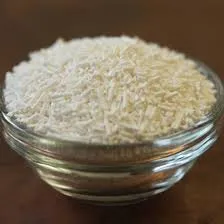
3. Natural Fertilizers
Natural fertilizers are similar to organic fertilizers but are minimally processed. Examples include seaweed extracts, rock phosphate, and green manure (cover crops turned back into the soil). These fertilizers enrich the soil with a wide range of micronutrients and organic matter, thereby enhancing its fertility without the risks associated with synthetics. Natural fertilizers are particularly favored in organic farming practices and are seen as a sustainable alternative to synthetic options.
4. Slow-Release and Controlled-Release Fertilizers
These are specially formulated fertilizers that release nutrients gradually over time. Slow-release fertilizers typically consist of coated granules that dissolve slowly, while controlled-release fertilizers use sophisticated technology to regulate nutrient release based on environmental conditions. This helps reduce nutrient loss and minimizes the need for frequent applications. These fertilizers are ideal for busy gardeners and large-scale agricultural operations aiming for efficiency and sustainability.
Conclusion
Choosing the right type of fertilizer depends on various factors including soil type, plant requirements, and environmental considerations. By understanding the differences between chemical, organic, natural, and slow-release fertilizers, users can make informed decisions that lead to healthier plants and more sustainable gardening practices. Whether for a small garden or large agricultural fields, the right fertilizer can make a profound difference in achieving optimal plant growth and soil health.
-
How to Choose Dimethyl Disulfide DMDS for Industrial UseNewsNov.09,2026
-
Aspartame Buyer FAQ: Sweetness, Specifications and ApplicationsNewsNov.02,2026
-
Aluminum Hydroxide FAQ: Specifications, Ordering and Support QuestionsNewsOct.28,2026
-
Improve Crop Yield with Premium Calcium Boron FertilizerNewsJul.01,2026
-
Ultimate Guide to Cal Mag Fertilizer for Boosting Plant HealthNewsJun.29,2026
-
Maximize Crop Recovery Using High Performance Bounce Back FertilizerNewsJun.27,2026
-
Maximize Crop Yields and Soil Health with Biozyme FertilizerNewsJun.26,2026
Hebei Tenger Chemical Technology Co., Ltd. focuses on the chemical industry and is committed to the export service of chemical raw materials.
-

view more Tplyltriazole(TTA)Tplyltriazole is a powerful and versatile corrosion inhibitor,it is a white particle or powder that is easily hygroscopic and can be processed into large, small, columnar, fine, or powdered shapes.It is a highly effective solution for preventing rust and corrosion on a variety of metal surfaces, making it an ideal choice for a wide range of applications. -

view more Formic AcidFormic acid, is a colorless, pungent-smelling liquid.With its unique properties and diverse applications that serves a wide range of industrial and commercial applications. -

view more Aluminum HydroxideAluminum Hydroxide, a versatile and essential product for a wide range of applications.This product is a white, amorphous powder that is insoluble in water and has a variety of uses in industries such as pharmaceuticals, cosmetics, and manufacturing.