





types of organic solvents
Types of Organic Solvents A Comprehensive Overview
Organic solvents are substances that can dissolve other materials, primarily organic compounds, without causing any significant chemical changes. They play a crucial role in various industries, including pharmaceuticals, paints, coatings, and chemical manufacturing. This article will explore the types of organic solvents, their properties, and their applications.
Classification of Organic Solvents
Organic solvents can be classified into several categories based on their chemical structure, boiling points, and polarity. The two primary categories are
1. Aliphatic Solvents These are organic solvents that consist of straight or branched carbon chains. They can be further divided into - Aliphatic Hydrocarbons Examples include hexane, heptane, and cyclohexane, which are used in cleaning agents, degreasers, and extraction processes. - Aliphatic Alcohols Solvents such as ethanol and isopropanol fall into this category. They are widely used in industrial applications and as disinfectants in healthcare.
2. Aromatic Solvents These solvents contain one or more aromatic rings in their structure. Common examples are benzene, toluene, and xylene. They are known for their ability to dissolve non-polar compounds and are used in paints, coatings, and adhesives. However, due to their toxicity and potential health risks, their use is often regulated.
3. Polar Protic Solvents These solvents possess a hydrogen atom bonded to an electronegative atom, making them capable of forming hydrogen bonds. Examples include water, methanol, and acetic acid. They excel in dissolving ionic or polar substances and are commonly used in biochemical applications.
4. Polar Aprotic Solvents Unlike polar protic solvents, these do not have a hydrogen atom available for hydrogen bonding. Examples are acetone, dimethyl sulfoxide (DMSO), and acetonitrile. They are frequently used in organic reactions and as media for various synthesis processes.
Properties of Organic Solvents
types of organic solvents
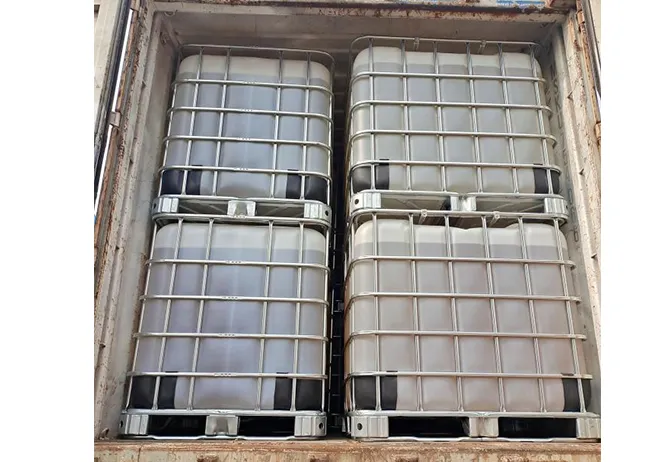
The effectiveness of an organic solvent is determined by its physical and chemical properties, such as
- Boiling Point The boiling point influences the solvent's volatility. Low-boiling solvents evaporate quickly, making them suitable for applications such as paint removal, while high-boiling solvents are preferred for long-duration processes. - Polarity The solvent's polarity affects its ability to dissolve different substances. Polar solvents are effective for ionic and polar compounds, while non-polar solvents excel with hydrocarbons and oils.
- Viscosity A solvent's viscosity determines its flow and processing behavior. Low-viscosity solvents are easier to handle and mix, while high-viscosity solvents may require additional energy to blend.
- Toxicity and Safety The health risks associated with the use of organic solvents cannot be overlooked. Many solvents are volatile organic compounds (VOCs) that can cause respiratory issues, skin irritation, and other health problems. Therefore, safety measures, such as proper ventilation and personal protective equipment (PPE), are essential when handling these materials.
Applications of Organic Solvents
Organic solvents are ubiquitous in many sectors. In the pharmaceutical industry, they are utilized in drug formulation, extraction, and purification processes. In paint and coating applications, they serve as carriers for pigments and additives, ensuring uniform distribution and application. Additionally, organic solvents are essential in the extraction of essential oils, flavor compounds, and active ingredients from natural products.
In the automotive industry, they are used in degreasing and cleaning applications. The adhesive industry also relies heavily on organic solvents for formulating products that bond materials effectively.
Conclusion
Understanding the various types of organic solvents, their properties, and applications is crucial for selecting the appropriate solvent for specific tasks. While they offer numerous benefits across multiple industries, it is imperative to handle them with care, considering their potential health risks. As technology progresses, greener alternatives are being developed, seeking to reduce the environmental impact of organic solvents while retaining their functionality.
-
Aspartame Buyer FAQ: Sweetness, Specifications and ApplicationsNewsNov.02,2026
-
Aluminum Hydroxide FAQ: Specifications, Ordering and Support QuestionsNewsOct.28,2026
-
Improve Crop Yield with Premium Calcium Boron FertilizerNewsJul.01,2026
-
Ultimate Guide to Cal Mag Fertilizer for Boosting Plant HealthNewsJun.29,2026
-
Maximize Crop Recovery Using High Performance Bounce Back FertilizerNewsJun.27,2026
-
Maximize Crop Yields and Soil Health with Biozyme FertilizerNewsJun.26,2026
-
Sustainable Agriculture Guide using bio organic fertilizerNewsJun.25,2026
Hebei Tenger Chemical Technology Co., Ltd. focuses on the chemical industry and is committed to the export service of chemical raw materials.
-

view more Tplyltriazole(TTA)Tplyltriazole is a powerful and versatile corrosion inhibitor,it is a white particle or powder that is easily hygroscopic and can be processed into large, small, columnar, fine, or powdered shapes.It is a highly effective solution for preventing rust and corrosion on a variety of metal surfaces, making it an ideal choice for a wide range of applications. -

view more Formic AcidFormic acid, is a colorless, pungent-smelling liquid.With its unique properties and diverse applications that serves a wide range of industrial and commercial applications. -

view more Aluminum HydroxideAluminum Hydroxide, a versatile and essential product for a wide range of applications.This product is a white, amorphous powder that is insoluble in water and has a variety of uses in industries such as pharmaceuticals, cosmetics, and manufacturing.