





Understanding and Managing Incidental Food Additives for Enhanced Food Safety
Understanding Incidental Food Additives
In the complex world of food production, ingredients beyond the primary components play a crucial role. These include incidental food additives – substances that aren't intentionally added but find their way into food during processing, packaging, or storage. Understanding these additives is essential for ensuring food safety and regulatory compliance, particularly in international trade. This article will delve into the nature of incidental food additives, their sources, regulations, and how companies like Tenger Chemical help manage associated risks. The use of high-quality processing aids and materials is paramount in minimizing these unintended additions.
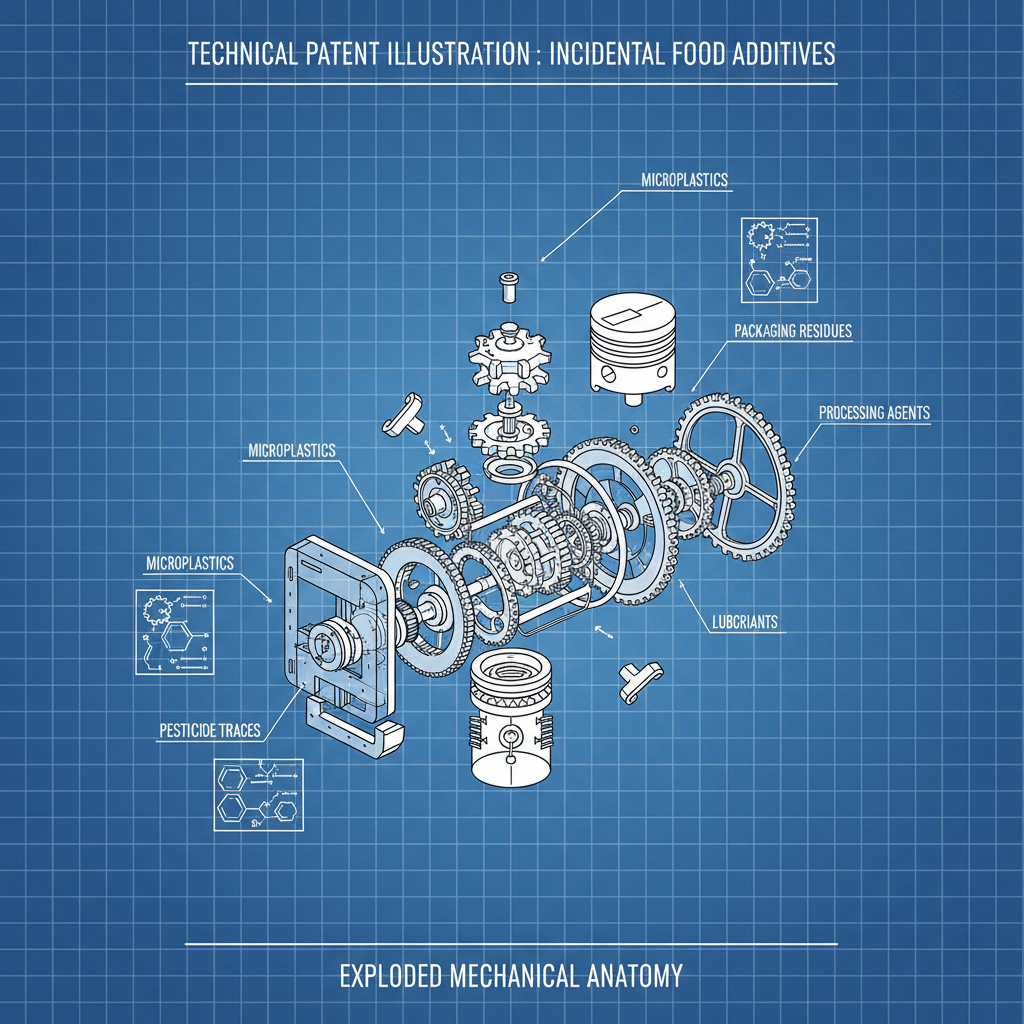
What are Incidental Food Additives?
Incidental food additives, also known as indirect additives, are substances that become part of a food during its manufacture, processing, or packaging but are not intentionally added to it. They aren't intended to have any technical effect on the food itself. Sources can include residues from processing equipment, materials leached from packaging, and contaminants introduced during storage. Examples include residual solvents from food processing, mineral oil hydrocarbons from packaging materials, and breakdown products of pesticides. These additives are subject to strict regulatory oversight to ensure they don’t pose a health risk.
Key Points: These substances are not intentionally added, originate from processing/packaging, and require regulatory monitoring to maintain food safety.
Sources of Incidental Food Additives
Identifying the sources of incidental additives is critical for control. Common sources include:
- Processing Aids: Substances used during food processing (e.g., filter aids, defoamers) that may leave residues.
- Packaging Materials: Plastics, paper, and cardboard can leach chemicals into food, especially fats.
- Equipment Lubricants: Lubricants used in food processing machinery can contaminate food if not properly managed.
- Storage Conditions: Pests, mold, and improper storage can introduce contaminants.
Minimizing these sources requires careful selection of materials, robust cleaning procedures, and effective pest control measures.
Common Sources:
• Processing Aids (Filter aids, defoamers)
• Packaging Materials (Plastics, paper)
• Equipment Lubricants
• Storage Conditions (Pests, Mold)
Regulations Governing Incidental Food Additives
Regulations surrounding incidental additives vary globally, but typically fall under the purview of food safety authorities like the FDA (US) and EFSA (Europe). These agencies establish tolerance levels for specific substances, representing the maximum amount permitted in food. Compliance is crucial for international trade. For example, migration limits are set for packaging materials, defining the allowable amount of a substance that can migrate into food. Companies are responsible for demonstrating that their products meet these regulatory requirements.
How Tenger Chemical Can Help
Tenger Chemical specializes in providing high-quality chemical solutions for the food processing industry. We offer a range of products designed to minimize the risk of incidental additive formation, including food-grade lubricants, cleaning agents, and packaging materials that meet stringent regulatory standards. We also provide expert consulting services to help companies navigate the complexities of food safety regulations and ensure compliance. Our commitment is to help our clients deliver safe, high-quality food products to consumers worldwide.

Mitigating Risks: Best Practices
Proactive risk mitigation is crucial. Implementing these practices can significantly reduce the presence of incidental additives:
- Supplier Qualification: Thoroughly vet suppliers to ensure they adhere to high-quality standards.
- Process Optimization: Refine processing methods to minimize the use of potentially contaminating substances.
- Regular Monitoring: Implement routine testing to detect and quantify incidental additives.
- Equipment Maintenance: Maintain processing equipment to prevent wear and tear that could lead to contamination.
Conclusion: Ensuring Food Safety Through Vigilance
Managing incidental food additives requires a comprehensive approach, from careful sourcing of materials to robust monitoring and regulatory compliance. By prioritizing these measures, food manufacturers can protect consumer health and maintain a strong reputation in the global marketplace. Partnering with a trusted chemical supplier like Tenger Chemical can provide the expertise and resources needed to navigate this complex landscape.
Frequently Asked Questions (FAQs)
What are the health concerns associated with incidental food additives?
The health concerns depend on the specific additive and its concentration. Some additives, like certain mineral oils, have been linked to potential carcinogenic effects with long-term exposure. Others may cause allergic reactions or digestive issues. Regulatory bodies establish tolerance levels to ensure that exposure remains below levels considered harmful. However, the cumulative effect of multiple low-level exposures is an ongoing area of research. Continuous monitoring and minimization of these additives are essential for protecting public health.
How can food manufacturers reduce the migration of chemicals from packaging?
Several strategies can reduce chemical migration. Selecting packaging materials specifically designed for food contact, using barrier layers to prevent direct contact, and controlling temperature during storage are crucial. Avoiding the use of harsh chemicals or solvents that could degrade the packaging material is also important. Regular testing of packaging materials for migration levels is essential to ensure compliance with regulations. Choosing packaging materials that comply with regulations like (EC) No 1935/2004 can also help.
What role do cleaning agents play in incidental additive control?
Cleaning agents can contribute to incidental additives if they leave residues on food contact surfaces. It's crucial to use food-grade cleaning agents specifically designed for the food processing industry. Thorough rinsing after cleaning is essential to remove any residual chemicals. Implementing validated cleaning procedures and regular monitoring of surface residues can help ensure that cleaning agents aren't contributing to contamination. Tenger Chemical offers a range of food-grade cleaning solutions.
What is the importance of traceability in managing incidental additives?
Traceability is critical for identifying the source of any incidental additive contamination. Maintaining detailed records of all materials used in the food production process, including their suppliers and batch numbers, allows for quick and efficient investigation in case of a problem. This allows for targeted corrective actions and prevents further contamination. A robust traceability system is a key component of a comprehensive food safety management system.
-
The Essential Guide to Sorbates as Food Preservatives for SafetyNewsApr.16,2026
-
The Ultimate Guide to Sorbate Preservative in Modern IndustryNewsApr.09,2026
-
Comprehensive Guide to Sodium Stearoyl Lactylate Emulsifier Applications and BenefitsNewsApr.07,2026
-
Comprehensive Guide to Sodium Cyclamate Sweetener Properties and ApplicationsNewsApr.04,2026
-
Comprehensive Guide to Sodium Citrate Food Additive and Its ApplicationsNewsMar.31,2026
-
Comprehensive Guide to Sodium Bicarbonate Food Additive Applications and BenefitsNewsMar.28,2026
-
Understanding Sodium Benzoate Preservative in Cosmetics and Its ApplicationsNewsMar.26,2026
Hebei Tenger Chemical Technology Co., Ltd. focuses on the chemical industry and is committed to the export service of chemical raw materials.
-
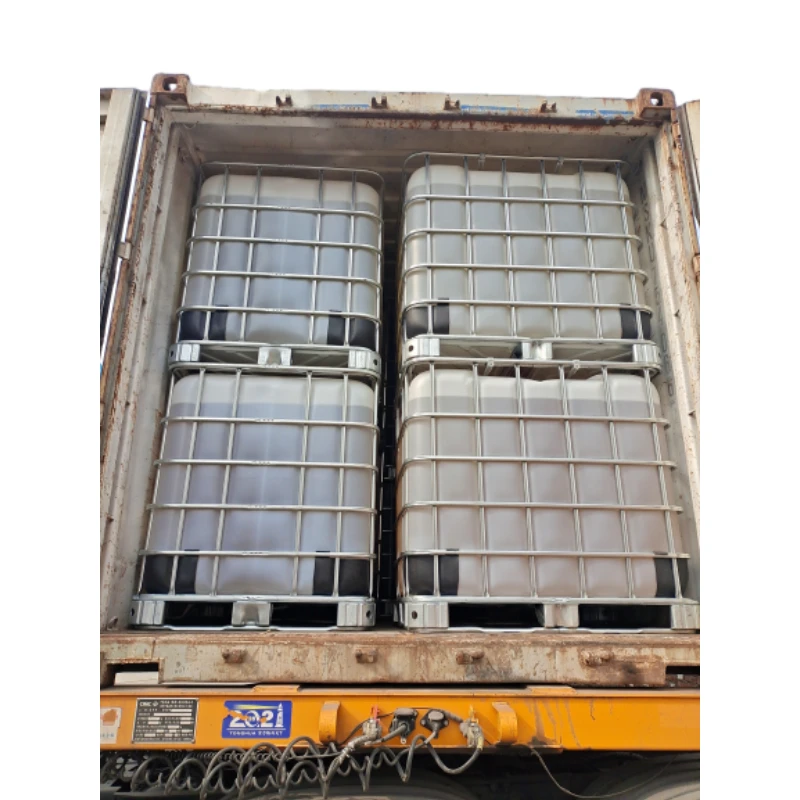
view more DiethanolisopropanolamineIn the ever-growing field of chemical solutions, diethanolisopropanolamine (DEIPA) stands out as a versatile and important compound. Due to its unique chemical structure and properties, DEIPA is of interest to various industries including construction, personal care, and agriculture. -
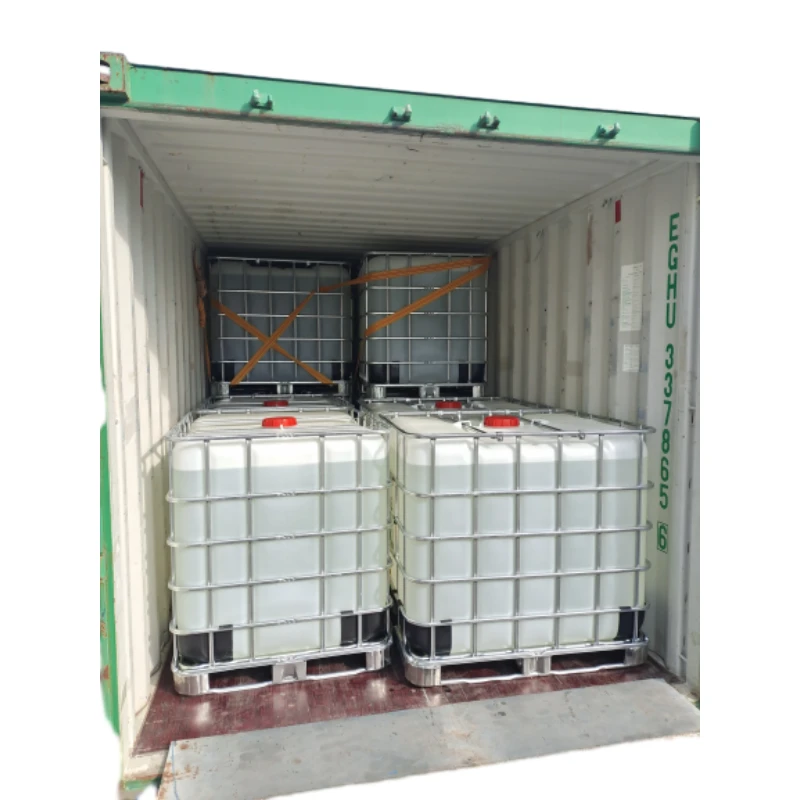
view more TriisopropanolamineTriisopropanolamine (TIPA) alkanol amine substance, is a kind of alcohol amine compound with amino and alcohol hydroxyl, and because of its molecules contains both amino and hydroxyl. -
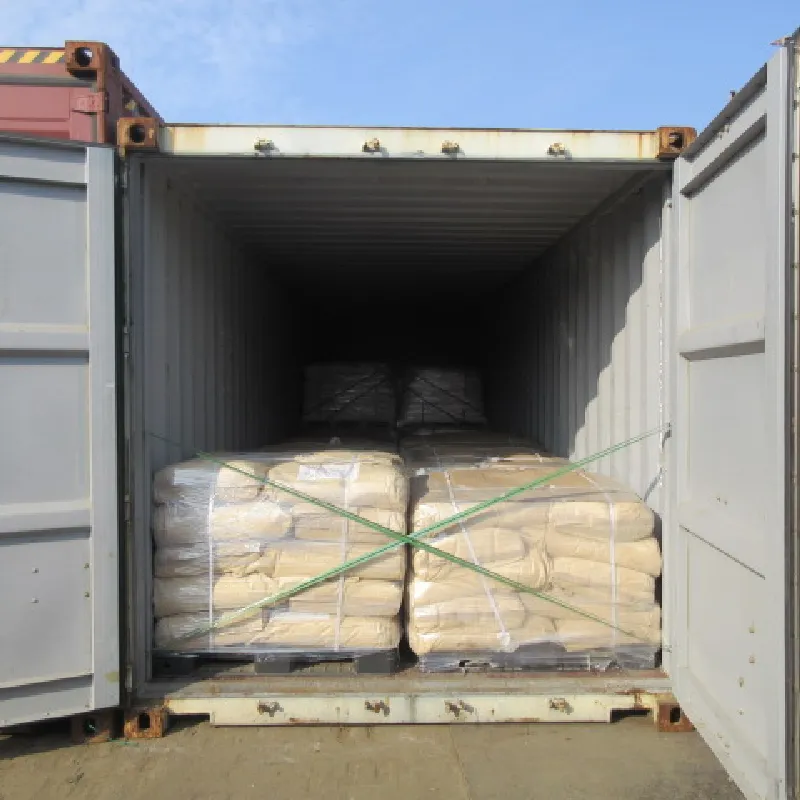
view more Tetramethyl Thiuram DisulfideTetramethyl thiuram disulfide, also known as TMTD, is a white to light-yellow powder with a distinct sulfur-like odor. It is soluble in organic solvents such as benzene, acetone, and ethyl acetate, making it highly versatile for use in different formulations. TMTD is known for its excellent vulcanization acceleration properties, which makes it a key ingredient in the production of rubber products. Additionally, it acts as an effective fungicide and bactericide, making it valuable in agricultural applications. Its high purity and stability ensure consistent performance, making it a preferred choice for manufacturers across various industries.