





Understanding Preservative INS 200 Applications Benefits and Sourcing Options
Understanding Preservative INS 200: Applications and Benefits
Preservative INS 200, or Sodium Benzoate, is a widely utilized food additive recognized for its effectiveness in inhibiting the growth of bacteria, yeast, and molds. This makes it an invaluable component in preserving a diverse range of products, particularly within the food and beverage industry. As a leading supplier of chemical products, Tenger Chemical provides high-quality INS 200 to meet the demands of various applications globally. This article provides an in-depth look at INS 200, exploring its properties, applications, regulatory status, and sourcing options.
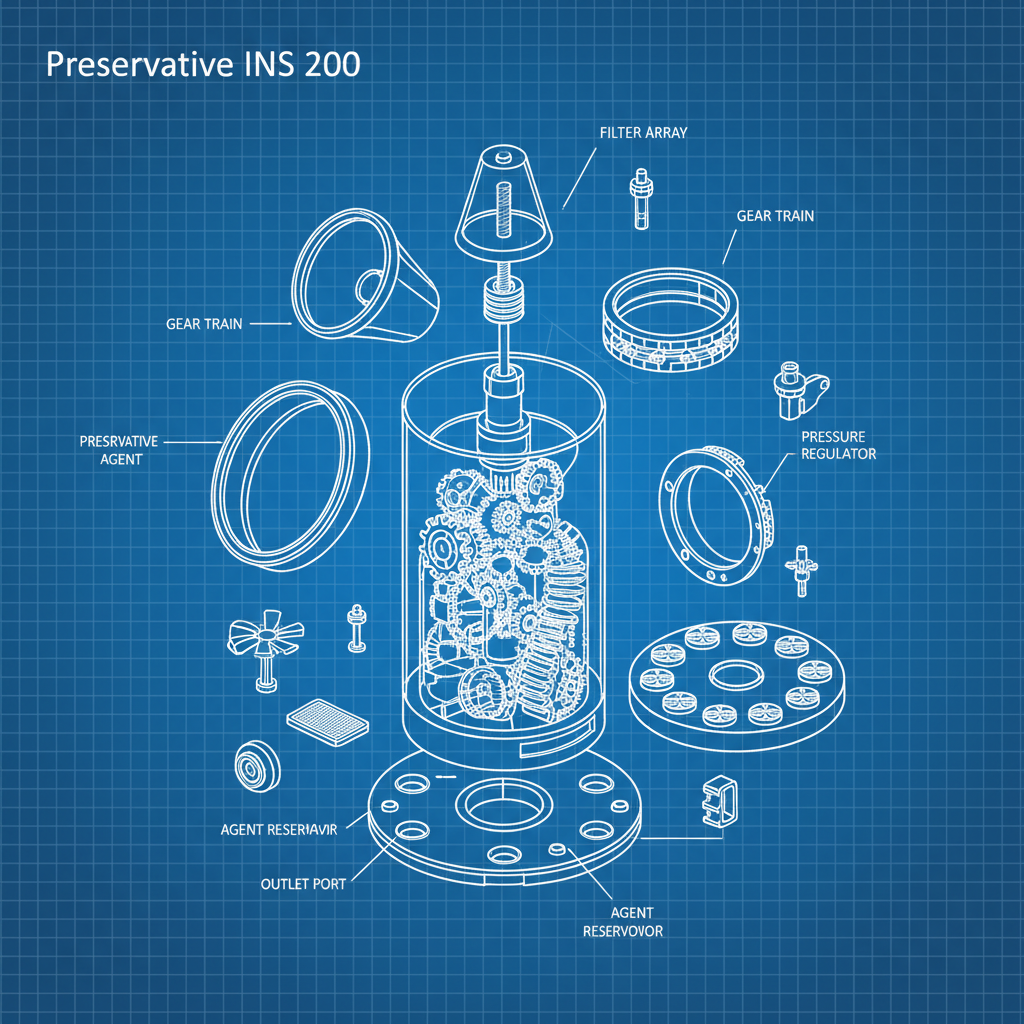
What is Preservative INS 200 (Sodium Benzoate)?
INS 200, chemically known as sodium benzoate, is the sodium salt of benzoic acid. It's a white, crystalline powder with a slight characteristic odor. Its primary function is as a preservative, effectively preventing spoilage and extending the shelf life of various food products. It operates best in acidic environments, typically below pH 4.5, and is often used in conjunction with other preservatives to enhance its efficacy. Its ability to inhibit microbial growth makes it crucial in maintaining product quality and safety.
Key Properties: White crystalline powder, soluble in water, effective in acidic environments, inhibits microbial growth.
Key Applications of INS 200
INS 200 boasts a remarkably versatile application range. Some of the most common uses include preserving carbonated beverages (soda, sparkling water), fruit juices, pickles, sauces, jams, and jellies. It's also frequently employed in processed foods, salad dressings, and certain pharmaceutical products. Its cost-effectiveness and proven efficacy contribute to its widespread adoption across numerous industries. Furthermore, it can be found in cosmetics and personal care products to prevent microbial contamination. Tenger Chemical provides INS 200 suitable for all these applications.
Application Breakdown:
• Carbonated Beverages: Prevents spoilage and maintains carbonation.
• Fruit Juices: Inhibits mold and yeast growth.
• Pickles & Sauces: Extends shelf life and preserves flavor.
• Cosmetics: Prevents microbial contamination in personal care products.
INS 200: Sodium Benzoate vs. Potassium Sorbate – A Comparison
While both Sodium Benzoate (INS 200) and Potassium Sorbate are common food preservatives, they have different characteristics and optimal applications. Sodium Benzoate works most effectively in acidic environments (pH below 4.5), while Potassium Sorbate is more effective at higher pH levels. This means they are often used in combination to provide broader spectrum preservation. Potassium Sorbate is sometimes preferred in products where sodium intake needs to be minimized. The choice between the two, or a combination of both, depends on the specific product formulation and desired shelf life.
Regulatory Status and Safety Considerations
INS 200 is approved for use as a food additive by numerous international regulatory bodies, including the FDA (US Food and Drug Administration) and the EFSA (European Food Safety Authority). While generally recognized as safe (GRAS), there are established acceptable daily intake (ADI) levels. It's important to adhere to these guidelines to ensure consumer safety. Some individuals may experience mild allergic reactions, but these are rare. Tenger Chemical provides INS 200 that meets all relevant international standards and regulations.

Sourcing High-Quality INS 200 from Tenger Chemical
When sourcing INS 200, quality and reliability are paramount. Tenger Chemical offers premium-grade Sodium Benzoate, ensuring purity, consistency, and adherence to strict quality control standards. We provide comprehensive documentation, including certificates of analysis and safety data sheets (SDS), to guarantee product traceability and compliance. We cater to a diverse range of order sizes, from small-scale to bulk purchases, and offer competitive pricing with efficient global shipping.
Conclusion: Partnering with Tenger Chemical for Reliable INS 200 Supply
For businesses seeking a dependable supply of high-quality Preservative INS 200, Tenger Chemical is a trusted partner. Our commitment to quality, competitive pricing, and exceptional customer service ensures a seamless sourcing experience. Contact us today to discuss your specific needs and receive a customized quote.
Frequently Asked Questions (FAQs)
What is the recommended storage for INS 200?
INS 200 should be stored in a cool, dry, and well-ventilated area, away from direct sunlight and heat sources. It's crucial to keep the container tightly closed to prevent moisture absorption and maintain product quality. Proper storage will ensure the preservative remains effective and stable for its intended use. Avoid storing near strong oxidizing agents or incompatible materials.
What is the typical shelf life of INS 200?
When stored correctly, INS 200 generally has a shelf life of at least two years from the date of manufacture. However, it's always recommended to check the specific expiration date printed on the product packaging. Regularly inspecting the product for any signs of degradation, such as discoloration or clumping, is also advisable. Proper handling and storage significantly contribute to extending its usability.
Are there any potential interactions with other food additives?
INS 200 can exhibit synergistic effects when used with other preservatives, such as ascorbic acid (Vitamin C). This means that the combination can provide enhanced preservation compared to using either additive alone. However, it can also react with certain metal ions, potentially reducing its effectiveness. Careful formulation and compatibility testing are essential when combining INS 200 with other food additives.
Does Tenger Chemical offer different grades of INS 200?
Yes, Tenger Chemical provides INS 200 in various grades to meet different application requirements, including food grade, pharmaceutical grade, and technical grade. We ensure all grades meet stringent quality standards and provide the necessary documentation to verify compliance. Our team can help you select the appropriate grade for your specific application.
-
The Essential Guide to Sorbates as Food Preservatives for SafetyNewsApr.16,2026
-
The Ultimate Guide to Sorbate Preservative in Modern IndustryNewsApr.09,2026
-
Comprehensive Guide to Sodium Stearoyl Lactylate Emulsifier Applications and BenefitsNewsApr.07,2026
-
Comprehensive Guide to Sodium Cyclamate Sweetener Properties and ApplicationsNewsApr.04,2026
-
Comprehensive Guide to Sodium Citrate Food Additive and Its ApplicationsNewsMar.31,2026
-
Comprehensive Guide to Sodium Bicarbonate Food Additive Applications and BenefitsNewsMar.28,2026
-
Understanding Sodium Benzoate Preservative in Cosmetics and Its ApplicationsNewsMar.26,2026
Hebei Tenger Chemical Technology Co., Ltd. focuses on the chemical industry and is committed to the export service of chemical raw materials.
-
view more DiethanolisopropanolamineIn the ever-growing field of chemical solutions, diethanolisopropanolamine (DEIPA) stands out as a versatile and important compound. Due to its unique chemical structure and properties, DEIPA is of interest to various industries including construction, personal care, and agriculture. -
view more TriisopropanolamineTriisopropanolamine (TIPA) alkanol amine substance, is a kind of alcohol amine compound with amino and alcohol hydroxyl, and because of its molecules contains both amino and hydroxyl. -

view more Tetramethyl Thiuram DisulfideTetramethyl thiuram disulfide, also known as TMTD, is a white to light-yellow powder with a distinct sulfur-like odor. It is soluble in organic solvents such as benzene, acetone, and ethyl acetate, making it highly versatile for use in different formulations. TMTD is known for its excellent vulcanization acceleration properties, which makes it a key ingredient in the production of rubber products. Additionally, it acts as an effective fungicide and bactericide, making it valuable in agricultural applications. Its high purity and stability ensure consistent performance, making it a preferred choice for manufacturers across various industries.