





Understanding the Effects and Uses of Monosodium Glutamate in Food Products
The Role of Monosodium Glutamate as a Food Additive
Monosodium glutamate (MSG) has been a ubiquitous ingredient in the culinary world, particularly within Asian cuisine, for decades. As a flavor enhancer, it has the unique ability to intensify the umami taste—a savory, rich flavor that many foods possess. MSG is the sodium salt of glutamic acid, an amino acid found naturally in various foods such as tomatoes, cheese, and mushrooms. Although MSG has been widely accepted and enjoyed in numerous dishes, it has also provoked controversy and debate over its safety and health implications.
MSG is commonly used in the food industry to enhance the taste of processed foods, snacks, soups, and seasonings. Its widespread application can be attributed to its efficiency in boosting flavor without adding significant calories. This quality makes it a favored ingredient among food manufacturers seeking to create palatable products that can compete in a crowded marketplace. When added to food, MSG stimulates the taste receptors on the tongue, particularly those responsible for detecting umami, which adds depth and richness to the overall flavor profile.
The Role of Monosodium Glutamate as a Food Additive
However, despite its flavor-enhancing properties, MSG has garnered a significant amount of scrutiny over the years. Concerns were first raised in the 1960s when the term Chinese Restaurant Syndrome became popularized, with some individuals reporting adverse reactions, including headaches, flushing, and sweating, after consuming foods containing MSG. Subsequent research has sought to investigate these claims, leading to various studies attempting to determine the safety of MSG consumption.
monosodium glutamate food additive
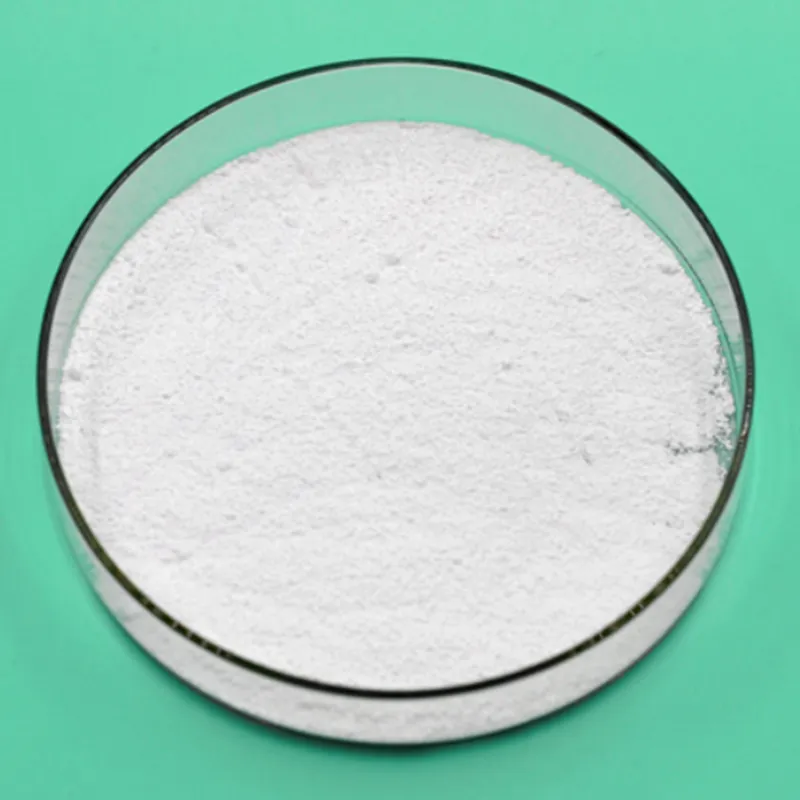
The consensus among regulatory authorities, including the Food and Drug Administration (FDA) and the World Health Organization (WHO), is that MSG is generally recognized as safe (GRAS) when consumed in normal dietary amounts. Numerous scientific studies have largely found no conclusive evidence linking MSG to the reported adverse effects, especially for individuals not previously sensitive to the additive. Still, some individuals may experience mild symptoms, which has led to ongoing discussions regarding MSG sensitivity among specific populations.
In recent years, the growing trend toward clean eating and the demand for natural ingredients have influenced the public perception of food additives like MSG. Consumers are becoming increasingly aware of what they eat, leading some to avoid processed foods containing additives altogether. As a result, many manufacturers have begun to reformulate their products, either removing MSG or replacing it with alternative flavor enhancers derived from natural sources.
Despite the controversies surrounding MSG, it remains a valuable tool for chefs and food manufacturers. It simplifies the cooking process by allowing for a more straightforward enhancement of flavors, helping to bring out the best in ingredients without the need for complex seasoning blends. For home cooks, the judicious use of MSG can elevate everyday meals, providing a restaurant-quality taste with minimal effort.
To conclude, monosodium glutamate serves a vital role as a food additive, enhancing flavors and contributing to the enjoyment of various dishes. While concerns about its safety persist, substantial scientific evidence supports its use in moderation. As culinary trends evolve, the future of MSG in food production may shift, but its fundamental ability to enhance flavor will likely keep it in the culinary toolkit for years to come. The ongoing dialogue about food additives reflects broader societal trends related to health, nutrition, and our understanding of what constitutes a healthy diet. As with many culinary choices, moderation and informed decision-making will remain essential in navigating the complexities of flavor enhancement in today's food landscape.
-
How to Choose Dimethyl Disulfide DMDS for Industrial UseNewsNov.09,2026
-
Aspartame Buyer FAQ: Sweetness, Specifications and ApplicationsNewsNov.02,2026
-
Aluminum Hydroxide FAQ: Specifications, Ordering and Support QuestionsNewsOct.28,2026
-
Improve Crop Yield with Premium Calcium Boron FertilizerNewsJul.01,2026
-
Ultimate Guide to Cal Mag Fertilizer for Boosting Plant HealthNewsJun.29,2026
-
Maximize Crop Recovery Using High Performance Bounce Back FertilizerNewsJun.27,2026
-
Maximize Crop Yields and Soil Health with Biozyme FertilizerNewsJun.26,2026
Hebei Tenger Chemical Technology Co., Ltd. focuses on the chemical industry and is committed to the export service of chemical raw materials.
-

view more Tplyltriazole(TTA)Tplyltriazole is a powerful and versatile corrosion inhibitor,it is a white particle or powder that is easily hygroscopic and can be processed into large, small, columnar, fine, or powdered shapes.It is a highly effective solution for preventing rust and corrosion on a variety of metal surfaces, making it an ideal choice for a wide range of applications. -

view more Formic AcidFormic acid, is a colorless, pungent-smelling liquid.With its unique properties and diverse applications that serves a wide range of industrial and commercial applications. -

view more Aluminum HydroxideAluminum Hydroxide, a versatile and essential product for a wide range of applications.This product is a white, amorphous powder that is insoluble in water and has a variety of uses in industries such as pharmaceuticals, cosmetics, and manufacturing.