





Understanding the Role and Impact of Flavor Enhancer 625 in Food Products
Understanding Flavor Enhancer 625 The Science Behind Umami
Flavor enhancer 625, more commonly known as monosodium glutamate (MSG), is a substance that has become a topic of debate and curiosity in culinary circles and among health enthusiasts. MSG is widely regarded for its ability to enhance the flavor profile of foods, particularly in Asian cuisine. This article delves into the origins, uses, and controversies surrounding MSG, providing an in-depth understanding of this flavor enhancer.
What is Flavor Enhancer 625?
Flavor enhancer 625 refers to the specific chemical composition of monosodium glutamate, consistent with the food additive nomenclature used by various health organizations. MSG consists of sodium and glutamic acid, an amino acid that occurs naturally in many foods, including tomatoes, cheese, and mushrooms. It was first isolated in 1908 by Japanese chemist Kikunae Ikeda, who identified its distinct umami flavor—one of the five basic tastes, alongside sweet, sour, bitter, and salty.
The Role of Umami in Food
Umami, which translates roughly to deliciousness in Japanese, was recognized as a fundamental taste much later than the other four. It is characterized by a savory flavor that enhances the overall taste experience. Foods rich in umami include aged cheeses, broths, fermented products, and various meats. The discovery of umami opened up new avenues for culinary creativity, leading to the widespread incorporation of MSG in food preparation, especially in processed and convenience foods.
The Varied Applications of MSG
MSG is used in countless food products, from snack foods and canned soups to seasonings and restaurant dishes. It is particularly popular in Asian cuisine, often added to dishes such as fried rice, stir-fries, and soups to boost flavor without the need for excessive salt. Beyond its application in home cooking, MSG is a staple in the food industry, where it serves to improve the palatability of low-cost ingredients, thereby enhancing overall customer satisfaction.
flavour enhancer 625
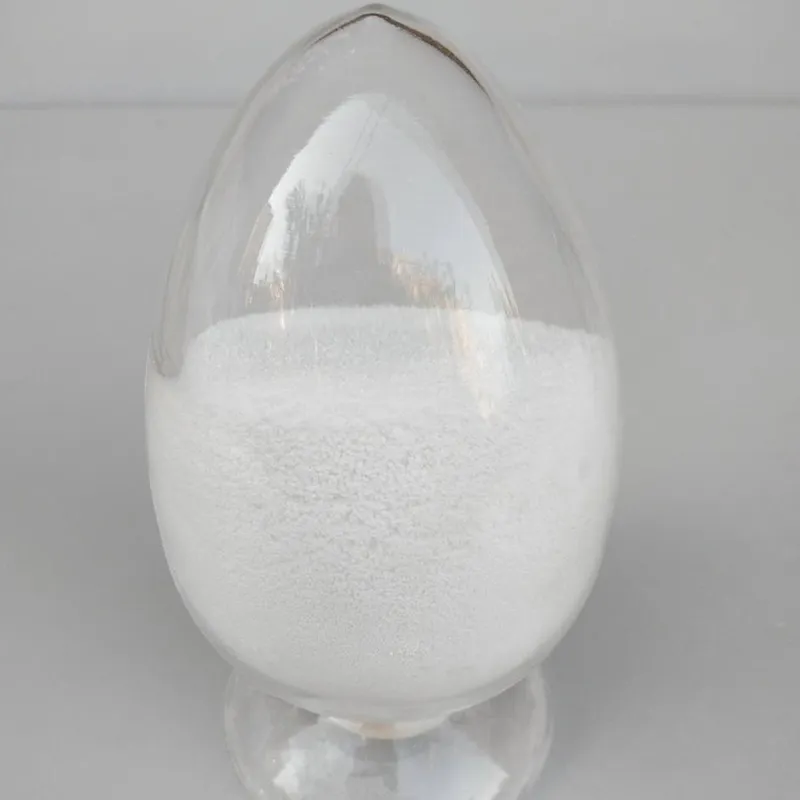
In addition to its flavor-enhancing properties, MSG has been studied for its potential health benefits. Some research suggests that it may contribute to reducing sodium intake in some diets because it has a potent flavor impact even at lower concentrations. Additionally, MSG can add depth to the flavor of vegetarian and plant-based dishes, helping to bridge the taste gap for those reducing or eliminating meat from their diets.
Controversies and Health Concerns
Despite its popularity, MSG has faced scrutiny and skepticism over the years. In the late 1960s, a letter published in the New England Journal of Medicine coined the term Chinese Restaurant Syndrome, attributing symptoms like headaches and nausea to MSG consumption. This prompted further studies, but the majority of scientific research has failed to substantiate these claims.
Organizations such as the U.S. Food and Drug Administration (FDA) and the World Health Organization (WHO) have deemed MSG safe for consumption. Yet, consumers remain divided, with some expressing concern about potential sensitivities and adverse reactions. It is crucial to note that while a small percentage of people may experience mild symptoms, these are typically anecdotal and not representative of the general population.
Conclusion MSG in Modern Cooking
In summary, flavor enhancer 625—MSG—has established itself as a powerful tool in the world of cooking, appreciated for its ability to amplify taste and create mouthwatering dishes. While controversies surrounding its safety persist, scientific consensus suggests that MSG is safe for the vast majority of the population. As consumers continue to navigate their dietary choices, understanding flavor enhancers like MSG can empower them to make informed decisions about the foods they choose to enjoy.
Ultimately, whether used to enhance the savoriness of a classic dish or as a secret ingredient in a new recipe, MSG remains a central player in the culinary arts, representing a bridge between science and gastronomy. As with any food additive, moderation is key. Embracing a diverse range of flavors, including the unique umami taste that flavor enhancer 625 brings, can unlock new culinary experiences and satisfaction in our meals.
-
How to Choose Dimethyl Disulfide DMDS for Industrial UseNewsNov.09,2026
-
Aspartame Buyer FAQ: Sweetness, Specifications and ApplicationsNewsNov.02,2026
-
Aluminum Hydroxide FAQ: Specifications, Ordering and Support QuestionsNewsOct.28,2026
-
Improve Crop Yield with Premium Calcium Boron FertilizerNewsJul.01,2026
-
Ultimate Guide to Cal Mag Fertilizer for Boosting Plant HealthNewsJun.29,2026
-
Maximize Crop Recovery Using High Performance Bounce Back FertilizerNewsJun.27,2026
-
Maximize Crop Yields and Soil Health with Biozyme FertilizerNewsJun.26,2026
Hebei Tenger Chemical Technology Co., Ltd. focuses on the chemical industry and is committed to the export service of chemical raw materials.
-

view more Tplyltriazole(TTA)Tplyltriazole is a powerful and versatile corrosion inhibitor,it is a white particle or powder that is easily hygroscopic and can be processed into large, small, columnar, fine, or powdered shapes.It is a highly effective solution for preventing rust and corrosion on a variety of metal surfaces, making it an ideal choice for a wide range of applications. -

view more Formic AcidFormic acid, is a colorless, pungent-smelling liquid.With its unique properties and diverse applications that serves a wide range of industrial and commercial applications. -

view more Aluminum HydroxideAluminum Hydroxide, a versatile and essential product for a wide range of applications.This product is a white, amorphous powder that is insoluble in water and has a variety of uses in industries such as pharmaceuticals, cosmetics, and manufacturing.