





Understanding the Role of E132 Food Additive in Food Industry and Safety
Understanding E132 A Deep Dive into the Food Additive
Food additives play an essential role in modern food production, ensuring products remain safe, appealing, and convenient for consumers. Among the myriad additives used around the world, E132, also known as Indigotine or Brilliant Blue FCF, is a synthetic dye that has garnered attention. This article dives deep into the essence of E132, its uses, safety, and regulatory status.
What is E132?
E132, or Indigotine, is a water-soluble synthetic dye primarily used to impart a blue color to various food products. It is derived from the coal tar dye, and its chemical structure allows it to dissolve easily in water, making it an ideal choice for food applications. E132 is widely used in candies, beverages, desserts, and even some dairy products to enhance their visual appeal.
Applications in Food
The vibrant blue color provided by E132 can be found in a variety of products. For instance, it is commonly used in soft drinks, ice creams, confections, and even processed meats. The dye is particularly popular in the confectionery industry, where it contributes to the whimsical and inviting appearance of sweets.
Not only does E132 enhance the visual quality of food products, but it also helps in masking color changes that may occur during processing or storage. This advantage is particularly important in maintaining consumer expectations regarding the appearance of food.
Safety and Regulatory Status
As with any food additive, safety is of paramount importance. E132 has been the subject of extensive research regarding its potential health effects. Regulatory agencies, including the European Food Safety Authority (EFSA) and the U.S. Food and Drug Administration (FDA), have established guidelines for its use.
e132 food additive
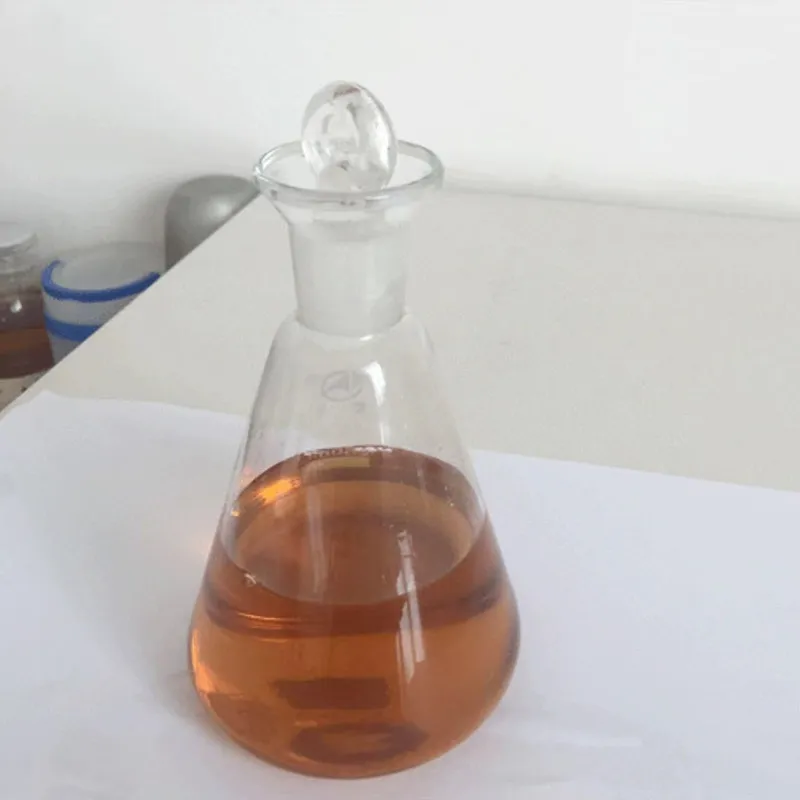
EFSA has set an Acceptable Daily Intake (ADI) for E132 at 0-5 mg per kilogram of body weight. This means that under normal consumption levels, E132 is considered safe for the general population. The FDA also permits the use of Indigotine in food products, subject to specific regulations.
However, some research has raised concerns about potential allergic reactions to synthetic dyes, including E132, particularly among children. Some studies have suggested a link between artificial colorings and hyperactivity, leading to recommendations for limited use in products aimed at children. Consequently, some manufacturers have chosen to avoid synthetic dyes, favoring natural alternatives instead.
Natural Alternatives
In recent years, there has been a noticeable shift towards natural food colorings. Consumers are increasingly aware of and concerned about the ingredients in their food, prompting many companies to seek natural alternatives to synthetic dyes like E132. Natural colorants derived from fruits, vegetables, and spices are becoming more popular, providing similar visual appeal without the associated concerns of artificial additives.
While natural dyes can sometimes be less stable than synthetic options, advancements in food technology are making it easier to maintain the desired appearance of products. This trend reflects a broader desire for transparency in food labeling and a preference for fewer chemically-derived ingredients.
Conclusion
E132, or Indigotine, has established itself as a valuable food additive for its vibrant color and functionality. While it continues to be considered safe when used within regulatory guidelines, the growing interest in natural food products impacts its usage. As consumers demand cleaner ingredients, the food industry is evolving, exploring alternatives that align with these preferences.
Despite the debates surrounding synthetic dyes, E132 remains a significant player in the food additive landscape. Understanding its properties, benefits, and challenges is crucial for consumers, manufacturers, and regulators alike as they navigate the complexities of food production in the modern era. Whether through traditional methods or innovative approaches, the quest for visually appealing and safe food continues, with E132 as a notable element in this ongoing journey.
-
How to Choose Dimethyl Disulfide DMDS for Industrial UseNewsNov.09,2026
-
Aspartame Buyer FAQ: Sweetness, Specifications and ApplicationsNewsNov.02,2026
-
Aluminum Hydroxide FAQ: Specifications, Ordering and Support QuestionsNewsOct.28,2026
-
Improve Crop Yield with Premium Calcium Boron FertilizerNewsJul.01,2026
-
Ultimate Guide to Cal Mag Fertilizer for Boosting Plant HealthNewsJun.29,2026
-
Maximize Crop Recovery Using High Performance Bounce Back FertilizerNewsJun.27,2026
-
Maximize Crop Yields and Soil Health with Biozyme FertilizerNewsJun.26,2026
Hebei Tenger Chemical Technology Co., Ltd. focuses on the chemical industry and is committed to the export service of chemical raw materials.
-

view more Tplyltriazole(TTA)Tplyltriazole is a powerful and versatile corrosion inhibitor,it is a white particle or powder that is easily hygroscopic and can be processed into large, small, columnar, fine, or powdered shapes.It is a highly effective solution for preventing rust and corrosion on a variety of metal surfaces, making it an ideal choice for a wide range of applications. -

view more Formic AcidFormic acid, is a colorless, pungent-smelling liquid.With its unique properties and diverse applications that serves a wide range of industrial and commercial applications. -

view more Aluminum HydroxideAluminum Hydroxide, a versatile and essential product for a wide range of applications.This product is a white, amorphous powder that is insoluble in water and has a variety of uses in industries such as pharmaceuticals, cosmetics, and manufacturing.