





Understanding the Role of Humectant Food Additive in Food Preservation and Quality
Understanding Humectant Food Additives
In the food industry, maintaining the desired texture, moisture content, and shelf life of products is crucial. Humectant food additives play a vital role in achieving these goals. These substances attract and retain moisture, preventing foods from drying out and maintaining their quality. This article will delve into the world of humectants, exploring their types, applications, benefits, and considerations for use. We'll also highlight how Tenger Chemical provides high-quality humectants for the food industry.
What are Humectant Food Additives?
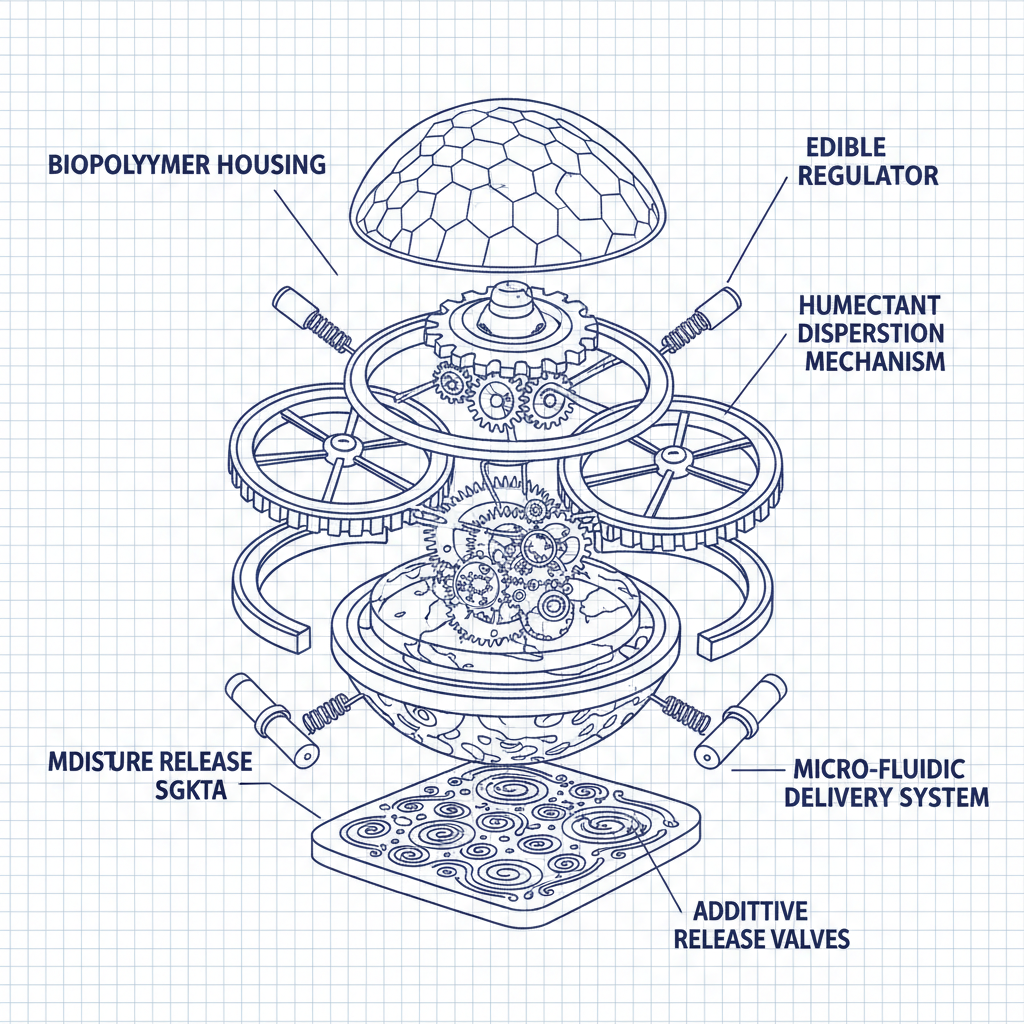
Humectants are water-loving substances that attract and hold moisture from the surrounding environment. In food applications, they prevent water loss, maintain softness, and inhibit crystallization. They work by forming hydrogen bonds with water molecules, effectively binding them and keeping the food product hydrated. This is particularly important for products prone to drying out, like baked goods, confectionery, and processed meats. Using humectants extends shelf life, improves texture, and enhances the overall eating experience.
Key Benefits: Prevents water loss, maintains softness, inhibits crystallization, extends shelf life, and improves texture.
Common Types of Humectant Food Additives
Several different compounds serve as effective humectants in the food industry. Some of the most common include:
- Glycerol (Glycerin): A versatile humectant derived from vegetable oils or synthesized chemically. It’s widely used in baked goods, candies, and processed foods.
- Sorbitol: A sugar alcohol naturally found in fruits. It provides sweetness along with humectant properties and is commonly used in sugar-free candies and baked goods.
- Xylitol: Another sugar alcohol with humectant qualities, often used in chewing gum and candies.
- Honey: A natural humectant with a unique flavor profile, frequently used in baking and confectionery.
- High-Fructose Corn Syrup (HFCS): While primarily a sweetener, HFCS also exhibits humectant properties, contributing to moisture retention in certain products.
- Molasses: A byproduct of sugar production, molasses contains sugars and other compounds that act as humectants, adding moisture and flavor.
Applications of Humectants in Food Products
Humectants are used extensively across various food categories. Here's a look at some key applications:
Choosing the Right Humectant: Considerations and Regulations
Selecting the appropriate humectant depends on the specific application, desired texture, and regulatory requirements. Factors to consider include sweetness level, hygroscopicity (ability to absorb moisture), cost, and potential interactions with other ingredients. Food regulations vary by country, so it’s crucial to ensure the chosen humectant is approved for use in the target market. Tenger Chemical provides detailed product specifications and regulatory information to assist our customers in making informed decisions.
Tenger Chemical: Your Trusted Humectant Supplier
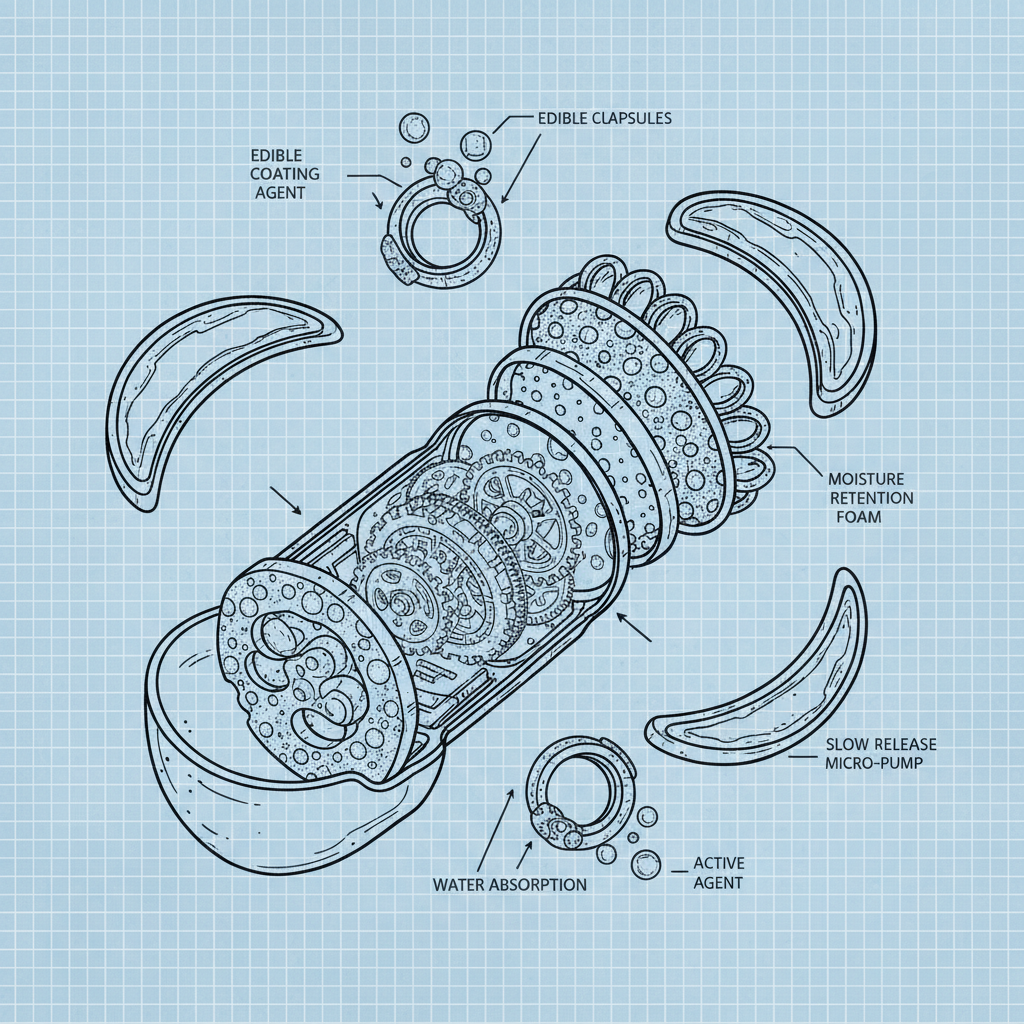
Tenger Chemical is a leading supplier of high-quality humectant food additives. We offer a comprehensive range of products, including glycerol, sorbitol, and other essential ingredients. We are committed to providing consistent quality, competitive pricing, and excellent customer service. Our products meet stringent industry standards and are backed by comprehensive documentation. We serve food manufacturers of all sizes, delivering reliable solutions to enhance product quality and shelf life.
Conclusion
Humectant food additives are essential for maintaining the quality, texture, and shelf life of a wide range of food products. Tenger Chemical is your trusted partner for sourcing high-quality humectants, backed by expert support and reliable supply.
Frequently Asked Questions (FAQs)
What is the difference between a humectant and a hygroscopic substance?
While both humectants and hygroscopic substances attract moisture, they differ in how they retain it. Hygroscopic substances readily absorb moisture from the air, often becoming deliquescent (dissolving in the absorbed water). Humectants, on the other hand, attract and retain moisture, preventing it from evaporating. Essentially, all humectants are hygroscopic, but not all hygroscopic substances are effective humectants. This distinction is important in food applications, where the goal is to maintain moisture content rather than simply absorb it.
Are there any potential drawbacks to using humectants?
In some cases, excessive use of humectants can lead to undesirable texture changes, such as stickiness or sogginess. Additionally, certain humectants, like sorbitol and xylitol, can have a laxative effect if consumed in large quantities. It's crucial to use humectants at appropriate levels and consider potential interactions with other ingredients. Proper formulation and adherence to regulatory guidelines are essential to avoid these drawbacks.
How does temperature affect the performance of humectants?
Temperature can significantly influence the effectiveness of humectants. Higher temperatures generally increase the rate of moisture evaporation, potentially reducing the humectant's ability to maintain desired moisture levels. Conversely, lower temperatures can decrease the humectant's activity. It’s essential to consider the storage and processing temperatures of the food product when selecting and using humectants. Proper formulation and packaging can help mitigate temperature-related effects.
Where can I find more information about humectant regulations in my region?
Food regulations regarding humectant use vary significantly by country and region. You can consult official government websites, such as the Food and Drug Administration (FDA) in the United States or the European Food Safety Authority (EFSA) in Europe. Additionally, industry associations and regulatory consulting firms can provide guidance on specific requirements. Tenger Chemical can provide general information and documentation regarding regulatory compliance for our products.
-
The Essential Guide to Sorbates as Food Preservatives for SafetyNewsApr.16,2026
-
The Ultimate Guide to Sorbate Preservative in Modern IndustryNewsApr.09,2026
-
Comprehensive Guide to Sodium Stearoyl Lactylate Emulsifier Applications and BenefitsNewsApr.07,2026
-
Comprehensive Guide to Sodium Cyclamate Sweetener Properties and ApplicationsNewsApr.04,2026
-
Comprehensive Guide to Sodium Citrate Food Additive and Its ApplicationsNewsMar.31,2026
-
Comprehensive Guide to Sodium Bicarbonate Food Additive Applications and BenefitsNewsMar.28,2026
-
Understanding Sodium Benzoate Preservative in Cosmetics and Its ApplicationsNewsMar.26,2026
Hebei Tenger Chemical Technology Co., Ltd. focuses on the chemical industry and is committed to the export service of chemical raw materials.
-
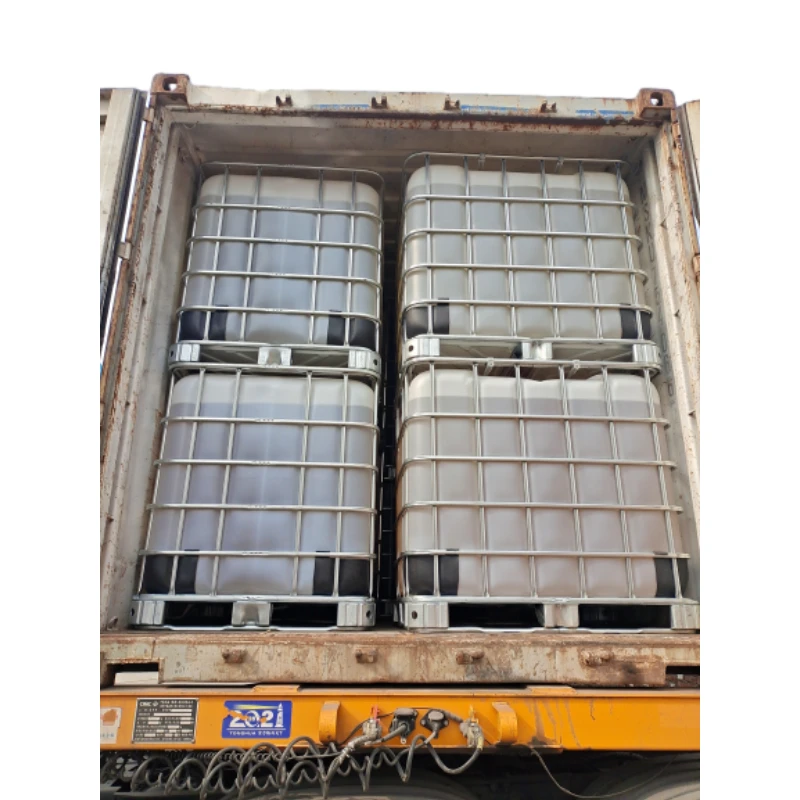
view more DiethanolisopropanolamineIn the ever-growing field of chemical solutions, diethanolisopropanolamine (DEIPA) stands out as a versatile and important compound. Due to its unique chemical structure and properties, DEIPA is of interest to various industries including construction, personal care, and agriculture. -
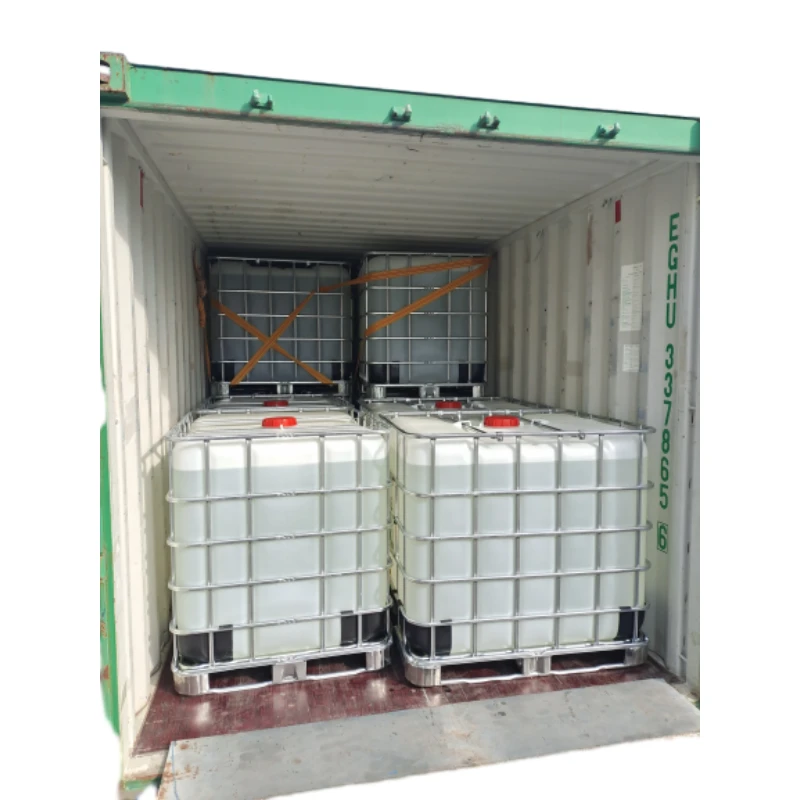
view more TriisopropanolamineTriisopropanolamine (TIPA) alkanol amine substance, is a kind of alcohol amine compound with amino and alcohol hydroxyl, and because of its molecules contains both amino and hydroxyl. -
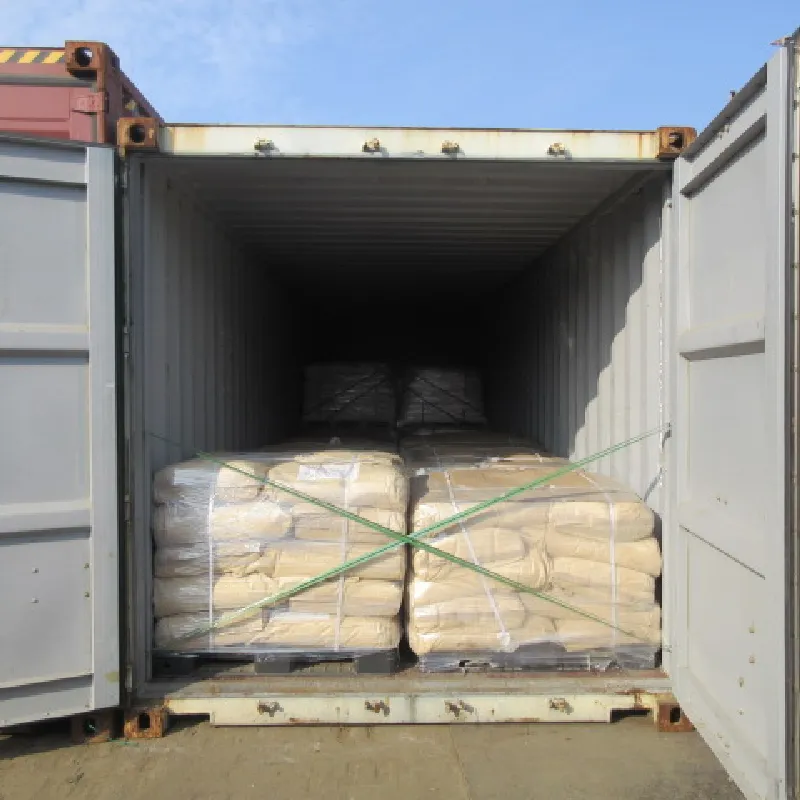
view more Tetramethyl Thiuram DisulfideTetramethyl thiuram disulfide, also known as TMTD, is a white to light-yellow powder with a distinct sulfur-like odor. It is soluble in organic solvents such as benzene, acetone, and ethyl acetate, making it highly versatile for use in different formulations. TMTD is known for its excellent vulcanization acceleration properties, which makes it a key ingredient in the production of rubber products. Additionally, it acts as an effective fungicide and bactericide, making it valuable in agricultural applications. Its high purity and stability ensure consistent performance, making it a preferred choice for manufacturers across various industries.