





Understanding the Role of Monosodium Glutamate in Flavor Enhancement and Food Preservation
The Function of Monosodium Glutamate A Comprehensive Overview
Monosodium glutamate (MSG) is a flavor enhancer that has been widely used in the food industry for many years. It is the sodium salt of glutamic acid, an amino acid that occurs naturally in many foods. MSG is best known for its ability to impart umami, the fifth basic taste, alongside sweet, sour, bitter, and salty. Its unique function in enhancing flavors has made it a popular ingredient in various cuisines and processed foods.
The Role of Umami
Umami was first identified as a distinct taste in the early 20th century by Japanese chemist Kikunae Ikeda, who discovered it through his research on the flavor of seaweed. He identified glutamic acid as the compound responsible for this savory taste. Umami is often described as a rich and savory flavor that adds depth to dishes. MSG is a potent enhancer of this flavor, making it a valuable addition in cooking. Foods that are rich in umami include meats, cheeses, mushrooms, and fermented products, with MSG serving to amplify these flavors when added to dishes.
Flavor Enhancement
The primary function of MSG is to enhance the flavor profile of food. It works by stimulating the umami receptors on the tongue, leading to a more pronounced taste sensation. This flavor enhancement can transform dishes, making them more palatable and enjoyable. Chefs and food manufacturers often use MSG in soups, sauces, processed meats, snacks, and seasoning blends to improve the overall taste without needing to add excessive salt. By enhancing flavors, MSG can help reduce the amount of sodium required in food preparation, making dishes healthier.
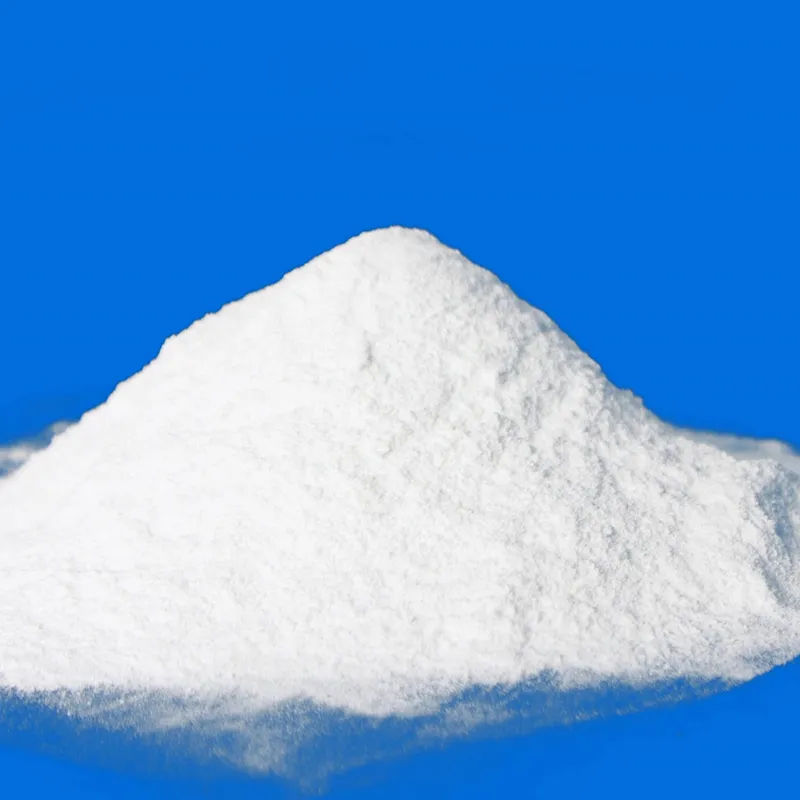
monosodium glutamate function
Nutritional Aspects
From a nutritional standpoint, MSG is low in calories and contains no fat, carbohydrates, or protein. It consists primarily of sodium, which is an essential mineral for the body, required for various physiological functions, including fluid balance and nerve transmission. The use of MSG in food is considered safe by many health organizations, including the U.S. Food and Drug Administration (FDA) and the World Health Organization (WHO). However, individual responses to MSG can vary, and some people may report mild symptoms known as the Chinese Restaurant Syndrome, which include headaches and flushing. Although extensive research has not established a definitive cause-and-effect relationship, it is advisable for individuals who experience such symptoms to monitor their MSG intake.
Cultural Impact
MSG's cultural significance cannot be overlooked; it has become a staple in many Asian cuisines, particularly in Chinese cooking, where it is used to enhance flavors in a wide variety of dishes. Over the years, MSG has faced scrutiny and controversy, particularly in Western countries, where some consumers have developed a negative perception due to misinformation and anecdotal claims. This reaction has, in part, led to a decline in its use in some markets, as consumers increasingly seek cleaner labels and natural ingredients.
Conclusion
In summary, monosodium glutamate serves as a powerful flavor enhancer that plays a crucial role in food preparation and culinary arts. Its ability to intensify umami flavors has made it an essential ingredient in many kitchens and food products globally. While it is important for consumers to be aware of their sensitivities, the overall consensus among health authorities is that MSG is safe for the general population. Understanding the function of MSG can help individuals appreciate its culinary benefits while making informed choices about their diets. As we continue to explore the intricacies of flavor and nutrition, MSG remains a fascinating subject within the food science community.
-
How to Choose Dimethyl Disulfide DMDS for Industrial UseNewsNov.09,2026
-
Aspartame Buyer FAQ: Sweetness, Specifications and ApplicationsNewsNov.02,2026
-
Aluminum Hydroxide FAQ: Specifications, Ordering and Support QuestionsNewsOct.28,2026
-
Improve Crop Yield with Premium Calcium Boron FertilizerNewsJul.01,2026
-
Ultimate Guide to Cal Mag Fertilizer for Boosting Plant HealthNewsJun.29,2026
-
Maximize Crop Recovery Using High Performance Bounce Back FertilizerNewsJun.27,2026
-
Maximize Crop Yields and Soil Health with Biozyme FertilizerNewsJun.26,2026
Hebei Tenger Chemical Technology Co., Ltd. focuses on the chemical industry and is committed to the export service of chemical raw materials.
-

view more Tplyltriazole(TTA)Tplyltriazole is a powerful and versatile corrosion inhibitor,it is a white particle or powder that is easily hygroscopic and can be processed into large, small, columnar, fine, or powdered shapes.It is a highly effective solution for preventing rust and corrosion on a variety of metal surfaces, making it an ideal choice for a wide range of applications. -

view more Formic AcidFormic acid, is a colorless, pungent-smelling liquid.With its unique properties and diverse applications that serves a wide range of industrial and commercial applications. -

view more Aluminum HydroxideAluminum Hydroxide, a versatile and essential product for a wide range of applications.This product is a white, amorphous powder that is insoluble in water and has a variety of uses in industries such as pharmaceuticals, cosmetics, and manufacturing.