





Understanding the Uses and Effects of E621 Flavor Enhancer in Foods
Understanding E621 The Flavor Enhancer
E621, commonly known as monosodium glutamate (MSG), is a widely used flavor enhancer that amplifies the umami taste in various dishes. It is often found in processed foods, snacks, and restaurant meals. The origins of MSG can be traced back to Japan in 1908 when a chemist named Kikunae Ikeda isolated it from kombu seaweed. He recognized the unique taste it imparted and subsequently developed a method for mass production, leading to its incorporation into many cuisines around the world.
How Does E621 Work?
E621 works by intensifying the savory flavor of food. The umami taste is one of the five basic tastes, alongside sweet, sour, bitter, and salty. It is often associated with foods rich in amino acids, like meats, cheeses, and fermented products. When added to a dish, E621 doesn’t add a flavor of its own but enhances the existing taste, making the dish more appealing. This explains its popularity in various culinary traditions, especially in Asian cuisine, where it is used extensively in stir-fries, soups, and sauces.
Nutritional Perspective
From a nutritional standpoint, E621 is generally considered safe for consumption by health authorities, including the FDA and EFSA. However, some individuals report sensitivity to MSG, experiencing symptoms such as headaches, nausea, or flushing, a phenomenon often referred to as Chinese Restaurant Syndrome. As a result, some people choose to limit their intake of foods containing MSG, although scientific studies have not established a direct causal relationship between MSG and these symptoms in the general population.
E621 in Processed Foods
flavour enhancer e621
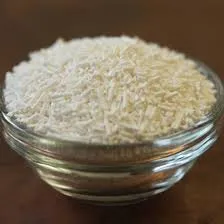
In the processed food industry, E621 is prevalent due to its cost-effectiveness and ability to enhance flavor without significantly altering the nutritional profile of the food. Snacks such as chips, instant noodles, and frozen meals often contain MSG to improve taste, ensuring consumer satisfaction. This trait makes it an attractive option for manufacturers aiming to create products that appeal to large audiences.
Controversies Surrounding E621
Despite its widespread use and acceptance by food safety authorities, E621 remains a controversial topic. Critics argue that the consumption of flavor enhancers like MSG contributes to unhealthy eating habits by making processed foods more palatable, thus encouraging overconsumption. Additionally, there are concerns about the long-term effects of MSG on health, especially in people who consume it frequently.
Moreover, the rise of clean eating and the natural food movement has led many consumers to seek out foods without artificial additives, including MSG. As a result, some food manufacturers have started to remove E621 from their products, opting for natural flavor enhancers instead, such as herbs and spices.
Conclusion
In summary, E621, or monosodium glutamate, serves as a powerful flavor enhancer that has both its supporters and detractors. While it enhances the taste of various foods and is deemed safe by health authorities, concerns regarding its impact on health and dietary habits persist. As consumers become more aware of what they eat, the food industry continues to adapt, balancing flavor enhancement and market demands for healthier, more natural options. Understanding E621 allows consumers to make informed choices about their diets, whether they choose to embrace or avoid this controversial ingredient.
-
How to Choose Dimethyl Disulfide DMDS for Industrial UseNewsNov.09,2026
-
Aspartame Buyer FAQ: Sweetness, Specifications and ApplicationsNewsNov.02,2026
-
Aluminum Hydroxide FAQ: Specifications, Ordering and Support QuestionsNewsOct.28,2026
-
Improve Crop Yield with Premium Calcium Boron FertilizerNewsJul.01,2026
-
Ultimate Guide to Cal Mag Fertilizer for Boosting Plant HealthNewsJun.29,2026
-
Maximize Crop Recovery Using High Performance Bounce Back FertilizerNewsJun.27,2026
-
Maximize Crop Yields and Soil Health with Biozyme FertilizerNewsJun.26,2026
Hebei Tenger Chemical Technology Co., Ltd. focuses on the chemical industry and is committed to the export service of chemical raw materials.
-

view more Tplyltriazole(TTA)Tplyltriazole is a powerful and versatile corrosion inhibitor,it is a white particle or powder that is easily hygroscopic and can be processed into large, small, columnar, fine, or powdered shapes.It is a highly effective solution for preventing rust and corrosion on a variety of metal surfaces, making it an ideal choice for a wide range of applications. -

view more Formic AcidFormic acid, is a colorless, pungent-smelling liquid.With its unique properties and diverse applications that serves a wide range of industrial and commercial applications. -

view more Aluminum HydroxideAluminum Hydroxide, a versatile and essential product for a wide range of applications.This product is a white, amorphous powder that is insoluble in water and has a variety of uses in industries such as pharmaceuticals, cosmetics, and manufacturing.