





What Is Acidity Regulator E331? Uses, Benefits, and Global Insights
Understanding Acidity Regulator E331 and Its Global Importance
If you’ve ever glanced at a food ingredient label and spotted “E331,” you might have wondered what that cryptic code actually means. Simply put, acidity regulator E331—commonly known as sodium citrates—is a versatile additive widely used to control acidity and maintain flavor balance in food and industrial products. While this might seem a niche chemical at first glance, its global significance can’t be overstated. Why does acidity regulation matter so much? On a grander scale, acids and bases determine so much about food preservation, safety, and even environmental management. E331 connects the dots between producing shelf-stable food, ensuring industrial process precision, and even assisting in medical and pharmaceutical formulations. Understanding its properties and applications helps businesses innovate sustainably and meet regulatory standards seamlessly. Mini takeaway: Acidity regulator E331 may be a tiny compound, but it plays a massive role in food quality, industrial stability, and global trade.The Global Context: Why Acidity Regulation Matters Today
Around the world, food wastage is a massive problem—approximately one-third of all food produced globally is lost or wasted (FAO, 2021)[1]. Part of the solution? Smart acidity regulation helps prolong freshness without resorting to harsh preservatives or excessive salt. Beyond food, industries from cosmetics to detergents rely on stable pH environments that compounds like E331 provide. As countries strive to meet sustainability targets, such as those laid out by the United Nations’ Sustainable Development Goals (SDGs), acidity regulators become a quiet hero. They enable manufacturers to reduce waste, improve shelf life, and optimize resource use—ultimately supporting food security and environmental health. However, challenges remain, like sourcing high-purity derivatives and meeting stricter global food safety standards. That’s where understanding the chemistry and applications of acidity regulators like E331 becomes crucial for innovators and supply chain managers alike. Mini takeaway: E331’s use radiates across continents and sectors, helping address food security and environmental sustainability challenges at scale.What Exactly is Acidity Regulator E331?
At its core, acidity regulator E331 refers to sodium citrates—a group of sodium salts derived from citric acid. Usually, it’s a blend of monosodium, disodium, and trisodium citrate variants. What makes it fascinating is how it acts as a buffer. In food or chemical products, it maintains a stable pH by neutralizing excess acid or alkali, preventing unwanted fluctuations. This buffering property is a big deal in modern industries. For instance, in food processing, it preserves the taste and texture of jams, cheeses, and beverages. In pharmaceuticals, it helps maintain drug stability. Oddly enough, hospitals use citrate anticoagulants during blood storage too—showing just how broad its utility is. Mini takeaway: E331 isn’t just a food additive—it's a multi-functional compound vital to industry, health, and more.Key Attributes That Make E331 So Essential
1. Stability and Buffering Capacity
Sodium citrates effectively maintain pH levels in a range from mildly acidic to neutral. This means they prevent sudden acidity shifts that can spoil food or destabilize chemical reactions.2. Food-Grade Safety and Regulatory Approval
Sodium citrates are generally recognized as safe (GRAS) by regulatory bodies like the FDA and EFSA. This allows their use in diverse culinary applications without health concerns.3. Versatility in Product Types
Whether it’s carbonated beverages or bakery products, E331 adapts well. It doesn’t impart significant taste or odor, making it ideal for sensitive formulations.4. Excellent Solubility and Compatibility
E331 dissolves readily in water and mixes well with other sweeteners, preservatives, and flavors, enabling consistent product quality.5. Cost Efficiency and Availability
Derived from abundant citric acid, sodium citrates offer an inexpensive way to control acidity that suits large-scale manufacturing budgets. Mini takeaway: These practical characteristics underline why E331 remains a go-to acidity regulator in so many sectors.| Specification | Typical Range / Value | Notes |
|---|---|---|
| Chemical Formula | Na3C6H5O7 (varies) | Mixture of sodium citrate salts |
| pH Buffer Range | 3.0 – 6.2 | Ideal for mildly acidic food products |
| Solubility | ~100 g/L at 20°C | Highly water-soluble |
| Purity | ≥ 99% | Food-grade standard |
| Typical Dosage | 0.1% to 0.5% | Based on product formulation |
How Industries Around the World Use Acidity Regulator E331
The reach of sodium citrate’s utility is impressively broad. In Europe and Asia, it’s a staple in soft drink manufacturing, helping regulate acidity while enhancing flavor stability. North America sees extensive use in dairy products like processed cheese, where E331 balances sharpness and prevents unwanted crystallization. In humanitarian and medical fields, this compound plays a quieter but life-saving role. During blood transfusions, sodium citrate acts as an anticoagulant, preserving blood for transport in disaster zones. Meanwhile, the cosmetics sector counts on E331 for gentle pH adjustment in lotions and cleansers, especially products marketed as “natural” or “hypoallergenic.” Even beyond, industrial cleaners, textile processing, and even fire retardants sometimes rely on the precise pH control this agent affords. The global distribution chains moving citrates also demonstrate how varied supply ecosystem geographies have become. Mini takeaway: The “E331” label hides an incredible range of practical roles across continents and industries, proving its place beyond just a food additive.Why Manufacturers and Consumers Value Acidity Regulator E331
Cost is one aspect, obviously, but the long-term value comes from sustainability and safety. Sodium citrates biodegrade cleanly and leave minimal environmental footprints compared to synthetic alternatives. For food and beverage brands, it helps maintain product quality, reducing recalls or consumer complaints—thus safeguarding brand trust. On an emotional level, knowing your favorite soft drink or processed cheese is stabilized with safe, naturally derived compounds builds a quiet reassurance. Frankly, the innovation behind E331’s range means new product ideas flourish while adhering to stringent regulatory frameworks worldwide. Also, its reliability under a variety of storage and transport conditions minimizes spoilage—a critical factor given today's complex supply chains. This reduces economic waste and lessens the pressure on resource-strapped food systems globally. Mini takeaway: E331 delivers a triple win: economic efficiency, sustainability credentials, and consumer confidence.Future Trends: Where Is Acidity Regulator E331 Heading?
With green chemistry increasingly shaping the industry, producers are refining processes to create E331 from bio-based feedstocks, lowering CO₂ emissions. Digital quality control and automation allow manufacturers precise dosing and better traceability—critical as supply chains become more transparent. Meanwhile, sustainability-focused R&D is tweaking formulations to blend E331 with other natural agents, enhancing multi-functionality while lowering additive load. Regulatory agencies worldwide are also harmonizing standards, enabling smoother international trade. I wouldn’t be surprised if future formulations even integrate microencapsulation technologies, releasing acidity regulators more gradually for improved shelf life or targeted functional effects. Mini takeaway: Technological and regulatory advances will only broaden E331’s utility, making this humble acidity regulator even smarter, greener, and more versatile.Overcoming Challenges With Acidity Regulator E331
Despite its benefits, some hurdles persist. For example, high purity sodium citrate production can be resource-intensive, occasionally causing supply bottlenecks during peak demand. Additionally, too much E331 can alter taste, so formulation precision is key. Innovative solutions include process optimizations like continuous flow manufacturing, improving yields and minimizing waste. Analytical advances—spectroscopy and chromatography—provide quick quality checks to keep batches consistent. Also, some manufacturers explore blends of citrate salts with other buffering agents to fine-tune sensory profiles. Despite the occasional complication, the overall landscape looks promising for wider E331 application. Mini takeaway: While no solution is flawless, thoughtful R&D and smarter manufacturing ease most challenges, ensuring E331 remains a staple.Frequently Asked Questions About Acidity Regulator E331
Q1: What does acidity regulator E331 do in food products?
A1: E331 helps maintain the desired pH level, stabilizing flavor and preventing spoilage. It’s often used in beverages, dairy, and canned foods to ensure consistent taste and shelf life.
Q2: Is acidity regulator E331 safe for all consumers?
A2: Yes, sodium citrates are generally recognized as safe (GRAS) by major food safety authorities, including FDA and EFSA, with no known harmful effects at typical usage levels.
Q3: Can E331 be used in organic food production?
A3: It depends on certification standards. Some organic certifiers allow natural derivatives like sodium citrate, but it’s always best to check specific regional guidelines.
Q4: How does E331 affect the taste of food and beverages?
A4: E331 has a mild, slightly salty taste, but when used correctly, it doesn’t impact flavor significantly; instead, it enhances overall taste by balancing acidity.
Q5: Where can I source high-quality acidity regulator E331?
A5: Reputable chemical suppliers and specialized food ingredient manufacturers provide food-grade sodium citrates. For example, check out acidity regulator e331 for certified products.
A Simple Vendor Comparison for Acidity Regulator E331 Suppliers
| Supplier | Purity (%) | Certifications | Price Range (per kg) | Lead Time |
|---|---|---|---|---|
| Tenger Chemical | ≥ 99.5% | FDA, EFSA, ISO | $3.50 – $4.20 | 2–3 weeks |
| Global Citric Supplies | ≥ 99.0% | FDA, ISO | $3.20 – $4.00 | 3–5 weeks |
| FineChem Europe | ≥ 99.7% | EFSA, ISO | $4.00 – $4.50 | 1–2 weeks |
Wrapping Up: Why Acidity Regulator E331 Matters for Your Business
So, whether you’re a food manufacturer, a pharmaceutical developer, or even working in environmental chemistry, acidity regulator E331 quietly supports your products’ integrity and consumer safety. Its combination of performance, safety, and sustainability ticks many boxes that modern industries care about more than ever. If you want to dive deeper into options or sourcing, don’t hesitate to visit acidity regulator e331. Exploring detailed product specs, regulatory compliance, and supply chain solutions with trusted partners makes all the difference. Feel free to bookmark, share, or revisit this guide whenever acidity moderation comes up in your projects. You’ll find that mastering E331 isn’t just technical—it’s strategic and forward-thinking. ---References:
1. FAO, Food Loss and Waste Facts, 2021 - fao.org
2. U.S. FDA Food Additive Status List - fda.gov
3. EFSA Scientific Opinion on Sodium Citrates - efsa.europa.eu
-
The Essential Guide to Sorbates as Food Preservatives for SafetyNewsApr.16,2026
-
The Ultimate Guide to Sorbate Preservative in Modern IndustryNewsApr.09,2026
-
Comprehensive Guide to Sodium Stearoyl Lactylate Emulsifier Applications and BenefitsNewsApr.07,2026
-
Comprehensive Guide to Sodium Cyclamate Sweetener Properties and ApplicationsNewsApr.04,2026
-
Comprehensive Guide to Sodium Citrate Food Additive and Its ApplicationsNewsMar.31,2026
-
Comprehensive Guide to Sodium Bicarbonate Food Additive Applications and BenefitsNewsMar.28,2026
-
Understanding Sodium Benzoate Preservative in Cosmetics and Its ApplicationsNewsMar.26,2026
Hebei Tenger Chemical Technology Co., Ltd. focuses on the chemical industry and is committed to the export service of chemical raw materials.
-
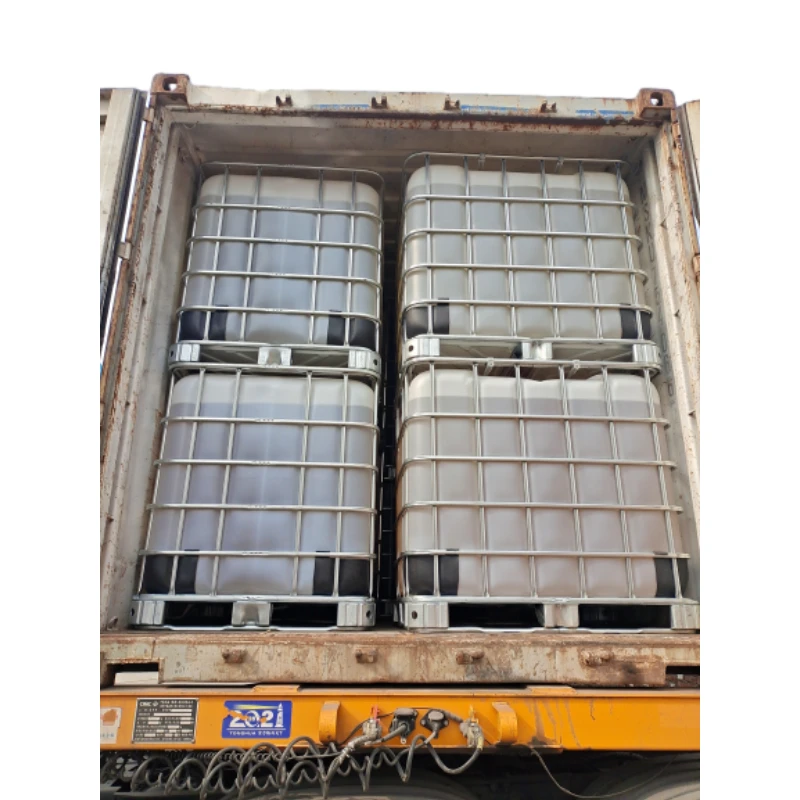
view more DiethanolisopropanolamineIn the ever-growing field of chemical solutions, diethanolisopropanolamine (DEIPA) stands out as a versatile and important compound. Due to its unique chemical structure and properties, DEIPA is of interest to various industries including construction, personal care, and agriculture. -
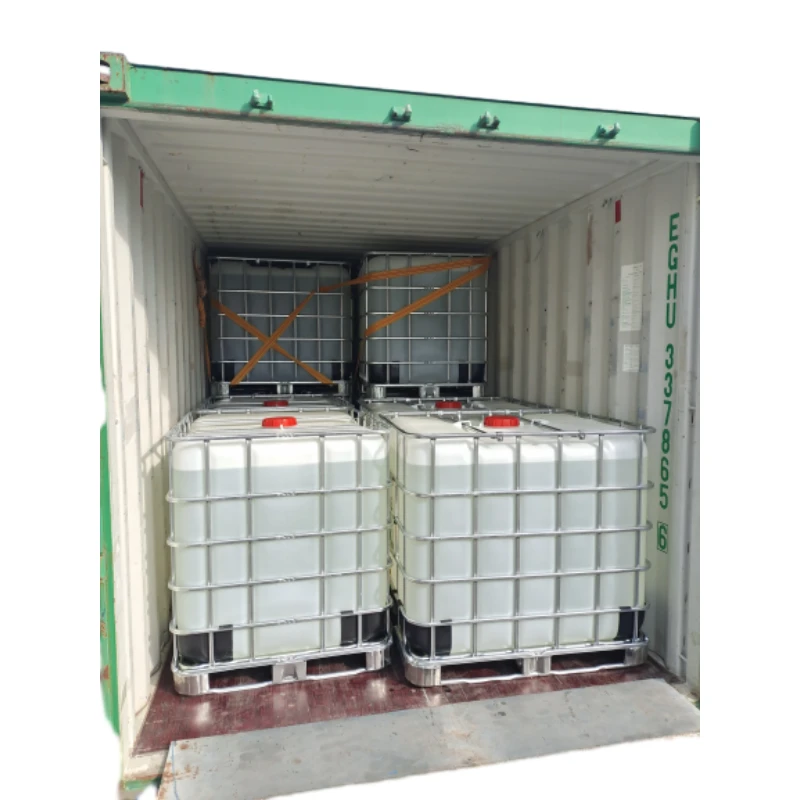
view more TriisopropanolamineTriisopropanolamine (TIPA) alkanol amine substance, is a kind of alcohol amine compound with amino and alcohol hydroxyl, and because of its molecules contains both amino and hydroxyl. -

view more Tetramethyl Thiuram DisulfideTetramethyl thiuram disulfide, also known as TMTD, is a white to light-yellow powder with a distinct sulfur-like odor. It is soluble in organic solvents such as benzene, acetone, and ethyl acetate, making it highly versatile for use in different formulations. TMTD is known for its excellent vulcanization acceleration properties, which makes it a key ingredient in the production of rubber products. Additionally, it acts as an effective fungicide and bactericide, making it valuable in agricultural applications. Its high purity and stability ensure consistent performance, making it a preferred choice for manufacturers across various industries.