





zinc fertilizer
Zinc Fertilizer An Essential Component for Healthy Farming
In contemporary agriculture, the significance of micronutrients cannot be overstated. Among these micronutrients, zinc plays a pivotal role in sustaining healthy crop growth and maximizing yield. Zinc fertilizers have become essential tools for farmers globally, helping to rectify zinc deficiencies that can lead to poor plant health and reduced agricultural productivity.
Zinc is a vital element that contributes to various physiological functions in plants. It is crucial for enzyme function, protein synthesis, and the growth regulation of plants. In particular, zinc influences the production of auxins, which are plant hormones responsible for growth and development. A deficiency of zinc can lead to stunted growth, leaf chlorosis, and poor flowering and fruiting. Crops such as maize, wheat, and rice are particularly susceptible to zinc deficiency, which can significantly affect yield and quality.
The widespread occurrence of zinc deficiency in soils is alarming. According to estimates from the International Zinc Association, approximately 50% of the world’s soils are deficient in zinc. This deficiency is commonly exacerbated by various factors, including intensive farming practices, soil erosion, and the use of high-phosphorus fertilizers that can inhibit zinc availability in the soil. The consequences of zinc deficiency extend beyond individual crops; they can affect entire agricultural ecosystems, leading to reduced food security and nutritional quality.
To combat zinc deficiency, farmers increasingly turn to zinc fertilizers. These fertilizers come in several forms, including zinc sulfate, zinc oxide, and chelated zinc. Zinc sulfate is the most common form used because of its high availability to plants. Additionally, foliar applications of zinc can provide quick relief to zinc-deficient plants, ensuring that they regain vigor and productivity. The choice of zinc fertilizer often depends on the specific crop requirements, soil conditions, and the extent of deficiency.
zinc fertilizer
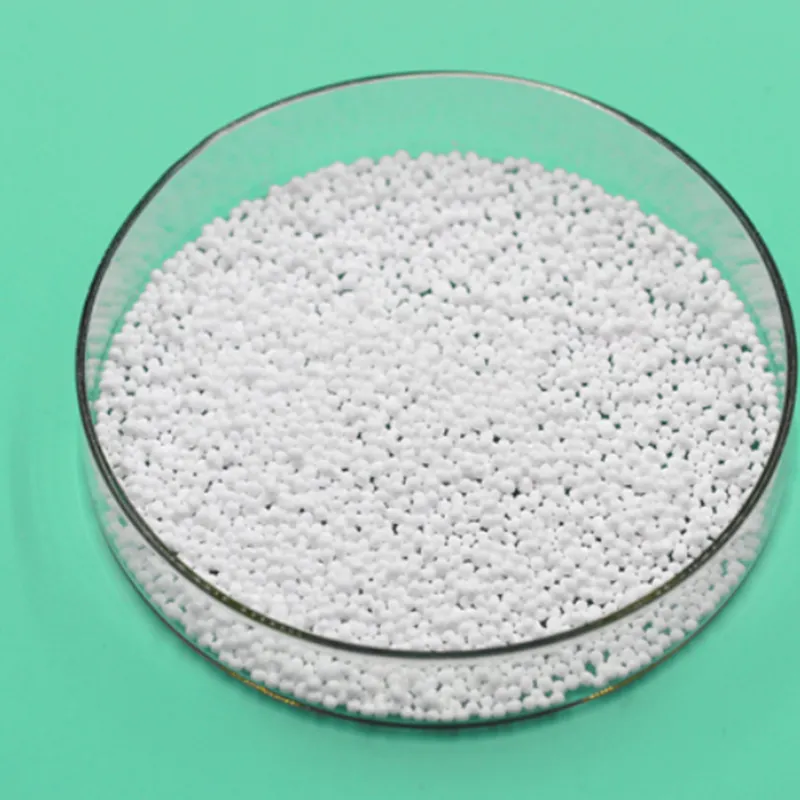
Integrating zinc fertilizers into agricultural practices not only improves crop health but also enhances overall soil fertility. Farmers who systematically apply zinc fertilizers report improved crop yields and resilience against pests and diseases. This, in turn, can lead to increased profitability and sustainability in farming operations. Moreover, enhanced crop yields contribute to greater food production, which is crucial for meeting the demands of a growing global population.
However, the application of zinc fertilizers must be managed carefully to avoid potential negative impacts on the environment. Over-application can lead to zinc runoff, potentially contaminating water sources and harming aquatic ecosystems. Thus, it is essential for farmers to conduct soil tests to determine zinc levels before application. This ensures that the right amount of zinc is supplied, promoting eco-friendly farming practices.
Education and awareness regarding zinc nutrition are crucial for optimizing the use of zinc fertilizers. Farmers should have access to training and resources that inform them about the signs of zinc deficiency, proper application methods, and the benefits of zinc supplementation. Agricultural extension services play a vital role in disseminating this knowledge, helping farmers implement best practices for nutrient management.
In conclusion, zinc fertilizers are indispensable in modern agriculture, addressing a critical micronutrient deficiency that affects global food production. By promoting healthy plant growth, enhancing crop yields, and improving soil fertility, zinc fertilizers contribute to a more sustainable and resilient agricultural system. As the agricultural sector continues to evolve, integrating micronutrient management into farming practices will be essential for meeting the food demands of future generations while safeguarding environmental health. The responsible application and management of zinc fertilizers represent a significant step towards achieving these goals, ensuring that farmers can cultivate robust crops that yield abundant harvests for years to come.
-
How to Choose Dimethyl Disulfide DMDS for Industrial UseNewsNov.09,2026
-
Aspartame Buyer FAQ: Sweetness, Specifications and ApplicationsNewsNov.02,2026
-
Aluminum Hydroxide FAQ: Specifications, Ordering and Support QuestionsNewsOct.28,2026
-
Improve Crop Yield with Premium Calcium Boron FertilizerNewsJul.01,2026
-
Ultimate Guide to Cal Mag Fertilizer for Boosting Plant HealthNewsJun.29,2026
-
Maximize Crop Recovery Using High Performance Bounce Back FertilizerNewsJun.27,2026
-
Maximize Crop Yields and Soil Health with Biozyme FertilizerNewsJun.26,2026
Hebei Tenger Chemical Technology Co., Ltd. focuses on the chemical industry and is committed to the export service of chemical raw materials.
-

view more Tplyltriazole(TTA)Tplyltriazole is a powerful and versatile corrosion inhibitor,it is a white particle or powder that is easily hygroscopic and can be processed into large, small, columnar, fine, or powdered shapes.It is a highly effective solution for preventing rust and corrosion on a variety of metal surfaces, making it an ideal choice for a wide range of applications. -

view more Formic AcidFormic acid, is a colorless, pungent-smelling liquid.With its unique properties and diverse applications that serves a wide range of industrial and commercial applications. -

view more Aluminum HydroxideAluminum Hydroxide, a versatile and essential product for a wide range of applications.This product is a white, amorphous powder that is insoluble in water and has a variety of uses in industries such as pharmaceuticals, cosmetics, and manufacturing.