





Comprehensive Guide to Preservatives Used in Bakery Products and Their Applications
Preservatives Used in Bakery Products: A Comprehensive Guide
Maintaining the freshness, flavor, and safety of baked goods is a significant challenge for bakeries and food manufacturers. To address this, a variety of preservatives used in bakery products are employed, extending shelf life and preventing spoilage. This article will delve into the different types of preservatives, their functions, regulations, and the evolving trends in the industry. Understanding these aspects is crucial for ensuring product quality, consumer safety, and meeting market demands. We’ll explore common preservatives and emerging alternatives, helping you navigate this vital area of food science.

Understanding the Role of Preservatives in Bakery
Bakery products, due to their inherent moisture content and nutritional richness, are susceptible to microbial growth and oxidative degradation. Preservatives play a vital role in inhibiting these processes. They work by disrupting the metabolism of bacteria, molds, and yeasts, or by preventing oxidation of fats and oils. This results in a longer shelf life, reduced food waste, and maintained product quality. However, the selection and application of preservatives must be carefully considered, adhering to safety regulations and consumer preferences. Proper usage ensures product safety without compromising taste or texture. Tenger Chemical provides a range of quality preservatives for bakery applications.
Key Benefits: Extended shelf life, reduced food waste, maintained product quality, enhanced safety, and consistent flavor.
Common Preservatives Used in Bakery Products
Several preservatives are commonly used in the baking industry, each with its specific properties and applications. Some of the most prevalent include: Sodium Benzoate, Potassium Sorbate, Calcium Propionate, and Sorbic Acid. Sodium Benzoate is effective against yeasts and molds, while Potassium Sorbate is particularly useful in controlling mold growth. Calcium Propionate is frequently used in bread to prevent mold and rope spoilage. Sorbic Acid offers similar benefits to Potassium Sorbate. The choice of preservative depends on the type of bakery product, desired shelf life, and regulatory guidelines.
Preservative Properties:
• Sodium Benzoate: Effective against yeasts and molds.
• Potassium Sorbate: Controls mold growth.
• Calcium Propionate: Prevents mold and rope spoilage in bread.
• Sorbic Acid: Similar benefits to Potassium Sorbate.
A Comparison of Popular Preservatives
Choosing the right preservative involves understanding their strengths and weaknesses. This comparison highlights key differences to aid in informed decision-making. Factors such as pH level, water activity, and the specific bakery product significantly influence preservative effectiveness. Different preservatives have varying solubility and impact on taste, requiring careful consideration during formulation.
Regulatory Considerations and Safety
The use of preservatives in bakery products is strictly regulated by organizations like the FDA and EFSA. These regulations dictate permissible levels, labeling requirements, and acceptable applications. Compliance with these standards is paramount to ensure product safety and legality. It’s essential to stay updated on the latest regulatory changes and ensure that all preservatives used meet the required specifications. Tenger Chemical ensures all its products adhere to international standards.

Emerging Trends: Natural and Clean Label Preservatives
Consumers are increasingly seeking “clean label” products with minimal artificial ingredients. This trend is driving the demand for natural preservatives derived from sources like vinegar, citrus extracts, and essential oils. While these alternatives often have lower efficacy than synthetic preservatives, they appeal to health-conscious consumers. Research and development efforts are focused on enhancing the effectiveness of natural preservatives and finding synergistic combinations that can provide comparable protection. This shift towards natural options is reshaping the landscape of bakery preservation.
Conclusion: Preserving Quality and Safety
Selecting the appropriate preservatives used in bakery products is a critical aspect of maintaining product quality, extending shelf life, and ensuring consumer safety. By understanding the different types of preservatives, their regulations, and emerging trends, bakeries can make informed decisions that meet both industry standards and consumer demands. Investing in reliable sources and staying abreast of the latest advancements is crucial for success.
Frequently Asked Questions (FAQs)
What are the potential health concerns associated with using preservatives in bakery products?
While preservatives are approved for use by regulatory bodies like the FDA and EFSA, some individuals may experience sensitivities or allergic reactions. For example, some people are sensitive to benzoates, which can trigger asthma or skin rashes. It's important to note that the levels of preservatives used in bakery products are generally considered safe for the vast majority of the population. However, manufacturers are increasingly exploring natural alternatives to cater to consumers with specific dietary needs or preferences. Transparency in labeling is crucial, allowing consumers to make informed choices.
How does water activity impact the effectiveness of preservatives?
Water activity (Aw) is a crucial factor influencing microbial growth. Preservatives are generally more effective at lower water activities. Microorganisms require water to thrive, so reducing Aw inhibits their growth. Preservatives work by further disrupting microbial metabolism in conjunction with lowered Aw. Bakers often combine preservatives with techniques to lower water activity, such as using humectants or controlling baking processes to minimize moisture content.
What are some examples of natural preservatives used in baking?
Several natural preservatives are gaining popularity in the baking industry. These include vinegar, which lowers pH and inhibits microbial growth; rosemary extract, a natural antioxidant that prevents rancidity; and citrus extracts, which contain antimicrobial compounds. Essential oils like cinnamon and clove also possess preservative properties. While these natural options may not offer the same level of protection as synthetic preservatives, they are appealing to consumers seeking cleaner labels.
Where can I source high-quality preservatives for my bakery?
Sourcing preservatives from a reputable supplier is essential to ensure quality and compliance with regulations. Tenger Chemical offers a wide range of bakery preservatives that meet stringent quality standards and regulatory requirements. We provide detailed product specifications and technical support to assist you in selecting the right preservative for your specific needs.
-
The Essential Guide to Sorbates as Food Preservatives for SafetyNewsApr.16,2026
-
The Ultimate Guide to Sorbate Preservative in Modern IndustryNewsApr.09,2026
-
Comprehensive Guide to Sodium Stearoyl Lactylate Emulsifier Applications and BenefitsNewsApr.07,2026
-
Comprehensive Guide to Sodium Cyclamate Sweetener Properties and ApplicationsNewsApr.04,2026
-
Comprehensive Guide to Sodium Citrate Food Additive and Its ApplicationsNewsMar.31,2026
-
Comprehensive Guide to Sodium Bicarbonate Food Additive Applications and BenefitsNewsMar.28,2026
-
Understanding Sodium Benzoate Preservative in Cosmetics and Its ApplicationsNewsMar.26,2026
Hebei Tenger Chemical Technology Co., Ltd. focuses on the chemical industry and is committed to the export service of chemical raw materials.
-
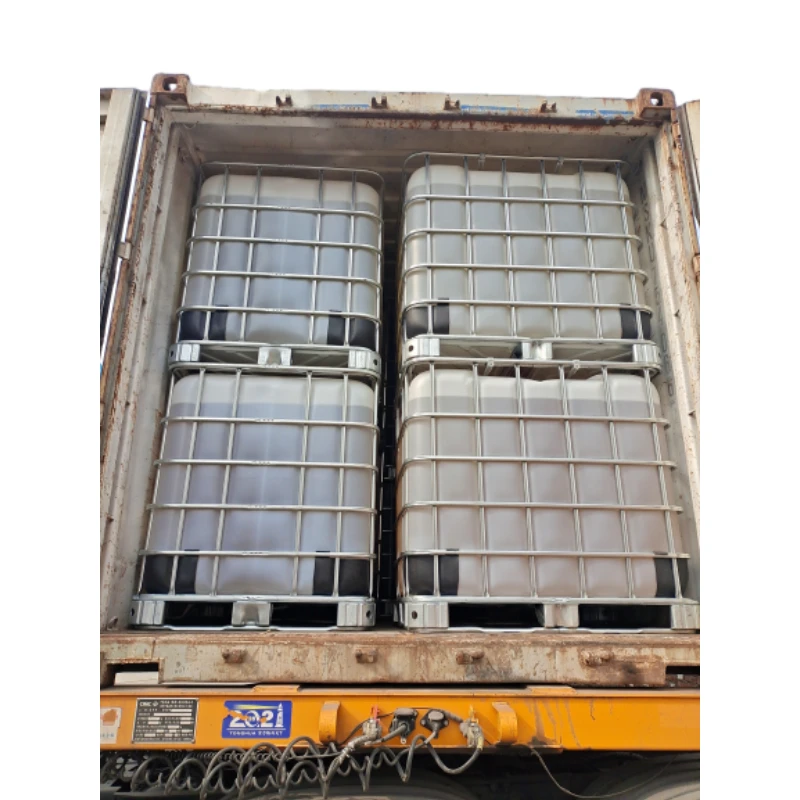
view more DiethanolisopropanolamineIn the ever-growing field of chemical solutions, diethanolisopropanolamine (DEIPA) stands out as a versatile and important compound. Due to its unique chemical structure and properties, DEIPA is of interest to various industries including construction, personal care, and agriculture. -
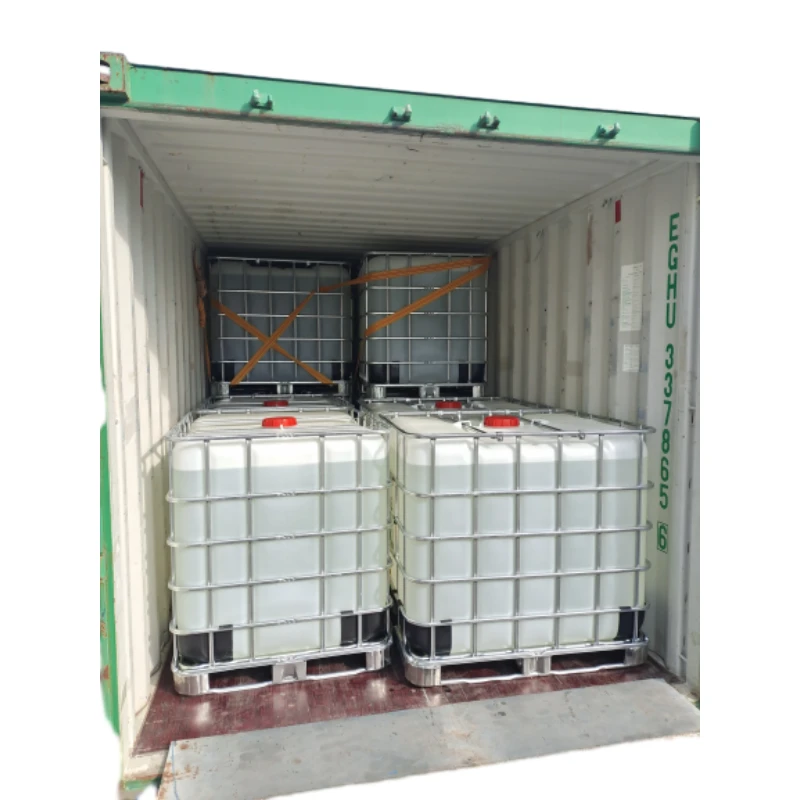
view more TriisopropanolamineTriisopropanolamine (TIPA) alkanol amine substance, is a kind of alcohol amine compound with amino and alcohol hydroxyl, and because of its molecules contains both amino and hydroxyl. -
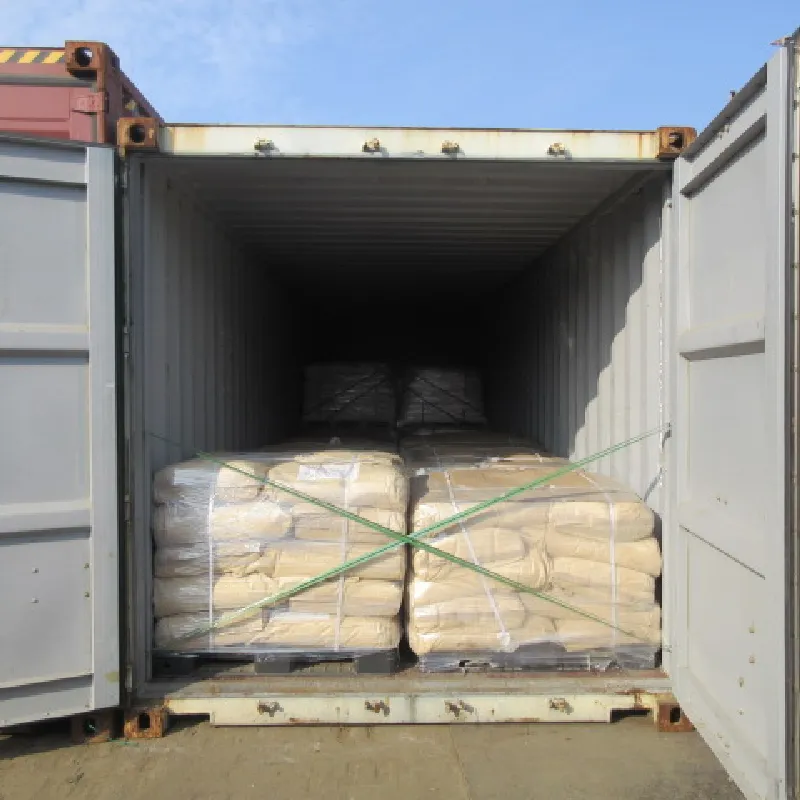
view more Tetramethyl Thiuram DisulfideTetramethyl thiuram disulfide, also known as TMTD, is a white to light-yellow powder with a distinct sulfur-like odor. It is soluble in organic solvents such as benzene, acetone, and ethyl acetate, making it highly versatile for use in different formulations. TMTD is known for its excellent vulcanization acceleration properties, which makes it a key ingredient in the production of rubber products. Additionally, it acts as an effective fungicide and bactericide, making it valuable in agricultural applications. Its high purity and stability ensure consistent performance, making it a preferred choice for manufacturers across various industries.