





Comprehensive Guide to Sodium Citrate Food Additive and Its Applications
Sodium Citrate Food Additive: A Comprehensive Guide
Sodium citrate is a versatile compound widely used in the food industry as a preservative, flavoring agent, and pH regulator. Its applications span numerous food and beverage products, enhancing their taste, texture, and shelf life. Understanding the properties and uses of sodium citrate is crucial for food manufacturers and anyone interested in food science. This article provides an in-depth exploration of this important food additive, covering its benefits, applications, safety, and sourcing options.
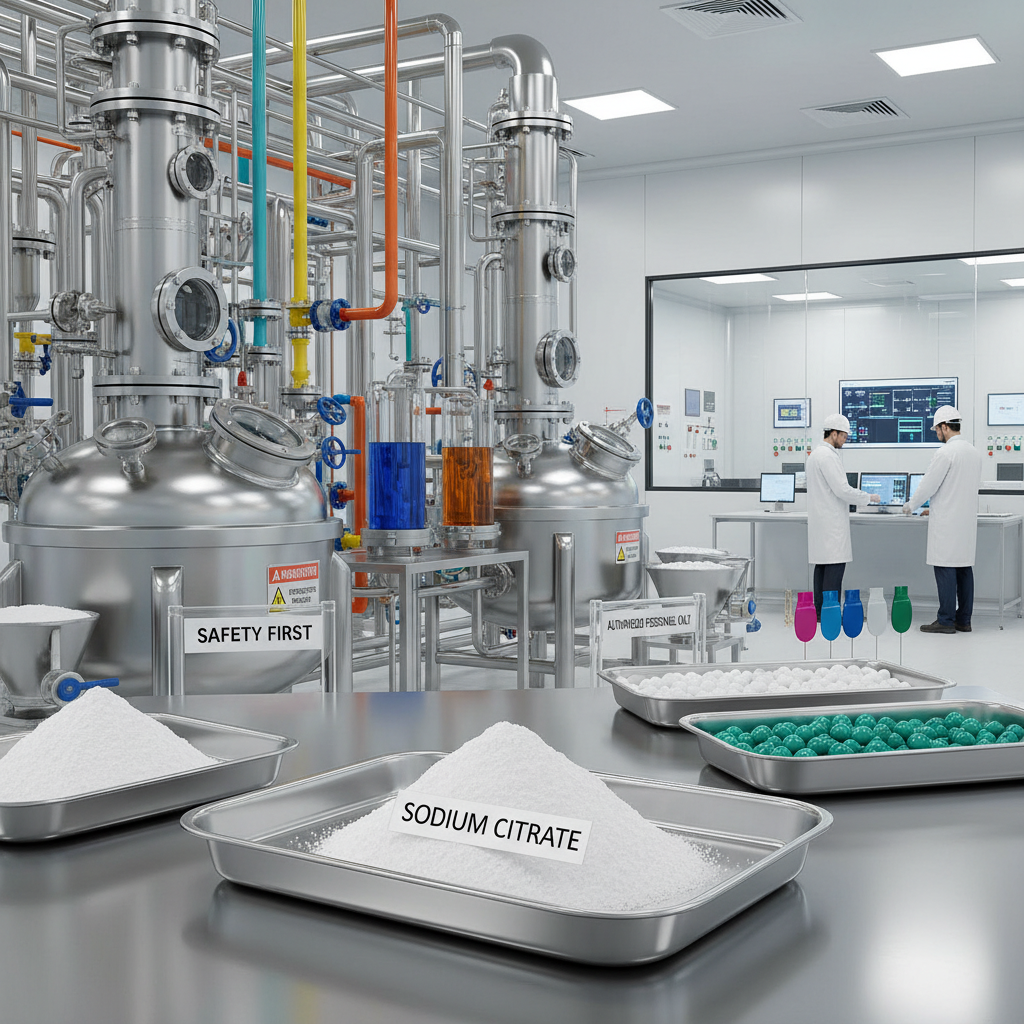
What is Sodium Citrate?
Sodium citrate (C6H7Na3O7) is the sodium salt of citric acid. It's a naturally occurring compound found in citrus fruits like lemons and limes, but commercially produced sodium citrate is typically derived from the fermentation of carbohydrates such as corn or molasses. It appears as a white, odorless, crystalline powder and is readily soluble in water. It's valued in the food industry for its buffering properties, meaning it can help maintain a stable pH level, preventing unwanted changes in acidity.
Key Properties: Readily soluble in water, buffering agent, odorless, crystalline powder, naturally derived from citrus fruits, and produced through fermentation.
Applications of Sodium Citrate in the Food Industry
The versatility of sodium citrate makes it an indispensable ingredient in a vast array of food and beverage products. It’s commonly used as an emulsifier in processed cheeses, preventing separation and creating a smooth texture. In beverages, it acts as a flavoring agent and pH regulator, enhancing the taste and preserving freshness. It also plays a crucial role in preserving fruits and vegetables, preventing discoloration and maintaining their quality. Furthermore, it’s found in jams, jellies, and baked goods, contributing to their texture and stability.
Common Applications:
• Cheese processing (emulsifier)
• Beverage production (flavoring, pH regulator)
• Fruit & Vegetable Preservation
• Jams, Jellies & Baked Goods
Sodium Citrate Grades & Specifications
Sodium citrate is available in various grades, each tailored to specific applications. Food-grade sodium citrate, the most commonly used form, is manufactured to meet stringent purity standards. Pharmaceutical grade is also available for medicinal purposes. Different specifications relate to purity levels, heavy metal content, and particle size. When sourcing sodium citrate, it’s crucial to verify that the product meets the required standards for your application.
Sodium Citrate vs. Other Food Acids
While other food acids like citric acid, malic acid, and tartaric acid serve similar purposes in food processing, sodium citrate distinguishes itself through its buffering capacity and unique flavor profile. Unlike citric acid, which is acidic, sodium citrate has a slightly alkaline taste. Its buffering action makes it more effective in stabilizing pH levels, ensuring consistent product quality. The choice of acid depends on the specific application and desired outcome.

Safety and Regulations
Sodium citrate is generally recognized as safe (GRAS) by the U.S. Food and Drug Administration (FDA) and is approved for use in food products worldwide. It's a well-tolerated additive, even at relatively high concentrations. However, excessive consumption may cause mild digestive issues in some individuals. Regulatory bodies like the FDA and EFSA (European Food Safety Authority) continuously monitor the safety of food additives, including sodium citrate, ensuring they meet strict safety standards. You can find detailed safety information on the Tenger Chemical website.
Conclusion: A Valuable Food Additive
Sodium citrate is a valuable and versatile food additive with a wide range of applications. Its buffering properties, flavoring capabilities, and preservative qualities make it an essential ingredient in many food and beverage products. By understanding its properties, applications, and safety profile, food manufacturers can optimize its use and deliver high-quality, safe, and appealing products to consumers.
Frequently Asked Questions (FAQs)
What is the difference between citric acid and sodium citrate?
Citric acid is a naturally occurring organic acid found in citrus fruits, known for its tart taste and acidic properties. Sodium citrate, on the other hand, is a salt of citric acid, having a slightly alkaline taste. While citric acid lowers pH, sodium citrate acts as a buffer, helping to maintain a stable pH. This makes sodium citrate preferable in applications where pH control is critical, such as in cheese processing and certain beverage formulations. Both compounds have preservative qualities, but their mechanisms differ.
Is sodium citrate safe for people with allergies?
Sodium citrate is generally considered safe for most individuals, including those with common food allergies. However, individuals with sensitivities to citric acid or corn (as it's often derived from corn fermentation) may experience mild reactions. It's always advisable to check the ingredient list of products and consult with a healthcare professional if you have concerns about potential allergies. Tenger Chemical provides detailed product information including sourcing details to help manage allergy concerns.
What is the shelf life of sodium citrate?
When stored properly in a cool, dry place away from direct sunlight and moisture, sodium citrate typically has a shelf life of at least two years. However, it's essential to follow the manufacturer's recommended storage instructions. Exposure to humidity can cause caking, but this doesn't necessarily render the product unusable. Regularly inspect the product for any signs of contamination or degradation before use.
-
The Essential Guide to Sorbates as Food Preservatives for SafetyNewsApr.16,2026
-
The Ultimate Guide to Sorbate Preservative in Modern IndustryNewsApr.09,2026
-
Comprehensive Guide to Sodium Stearoyl Lactylate Emulsifier Applications and BenefitsNewsApr.07,2026
-
Comprehensive Guide to Sodium Cyclamate Sweetener Properties and ApplicationsNewsApr.04,2026
-
Comprehensive Guide to Sodium Bicarbonate Food Additive Applications and BenefitsNewsMar.28,2026
-
Understanding Sodium Benzoate Preservative in Cosmetics and Its ApplicationsNewsMar.26,2026
-
Comprehensive Guide to Sodium Benzoate Preservative Applications and SafetyNewsMar.24,2026
Hebei Tenger Chemical Technology Co., Ltd. focuses on the chemical industry and is committed to the export service of chemical raw materials.
-
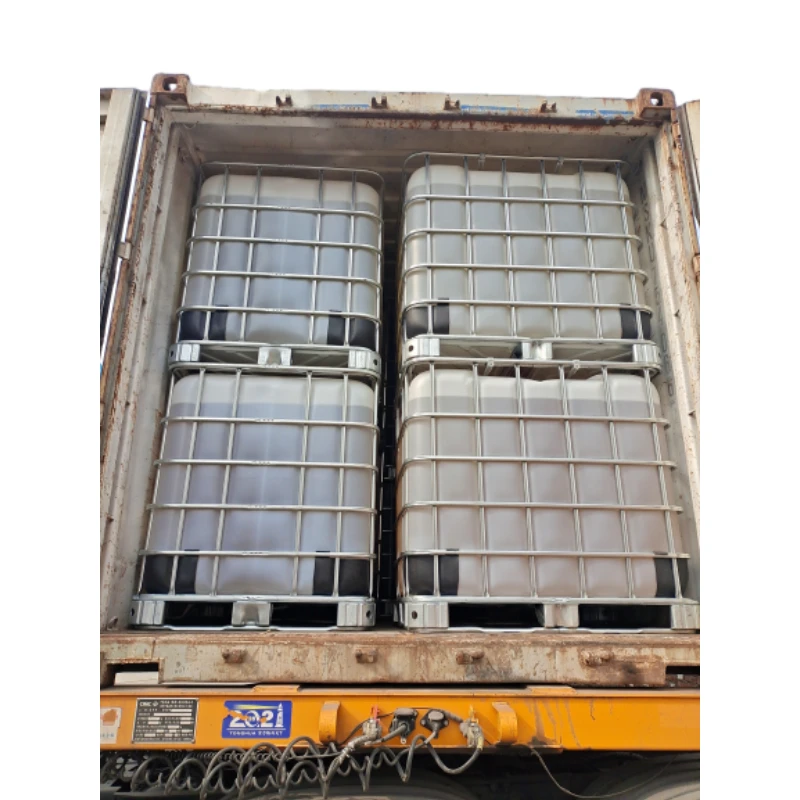
view more DiethanolisopropanolamineIn the ever-growing field of chemical solutions, diethanolisopropanolamine (DEIPA) stands out as a versatile and important compound. Due to its unique chemical structure and properties, DEIPA is of interest to various industries including construction, personal care, and agriculture. -
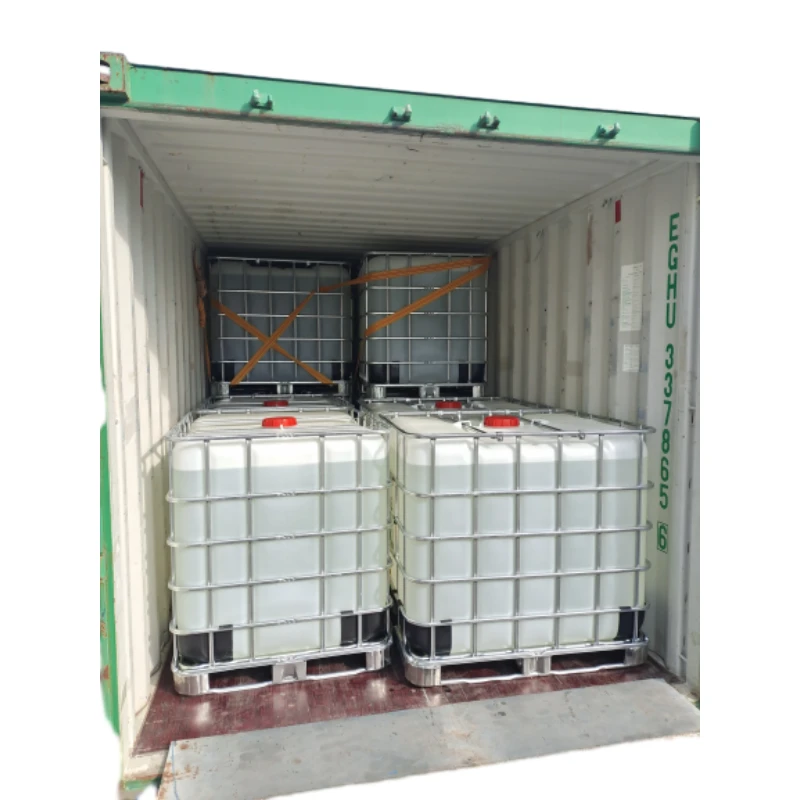
view more TriisopropanolamineTriisopropanolamine (TIPA) alkanol amine substance, is a kind of alcohol amine compound with amino and alcohol hydroxyl, and because of its molecules contains both amino and hydroxyl. -

view more Tetramethyl Thiuram DisulfideTetramethyl thiuram disulfide, also known as TMTD, is a white to light-yellow powder with a distinct sulfur-like odor. It is soluble in organic solvents such as benzene, acetone, and ethyl acetate, making it highly versatile for use in different formulations. TMTD is known for its excellent vulcanization acceleration properties, which makes it a key ingredient in the production of rubber products. Additionally, it acts as an effective fungicide and bactericide, making it valuable in agricultural applications. Its high purity and stability ensure consistent performance, making it a preferred choice for manufacturers across various industries.