





Exploring the World of Preservatives Used in Potato Chips for Enhanced Shelf Life
Understanding Preservatives Used in Potato Chips
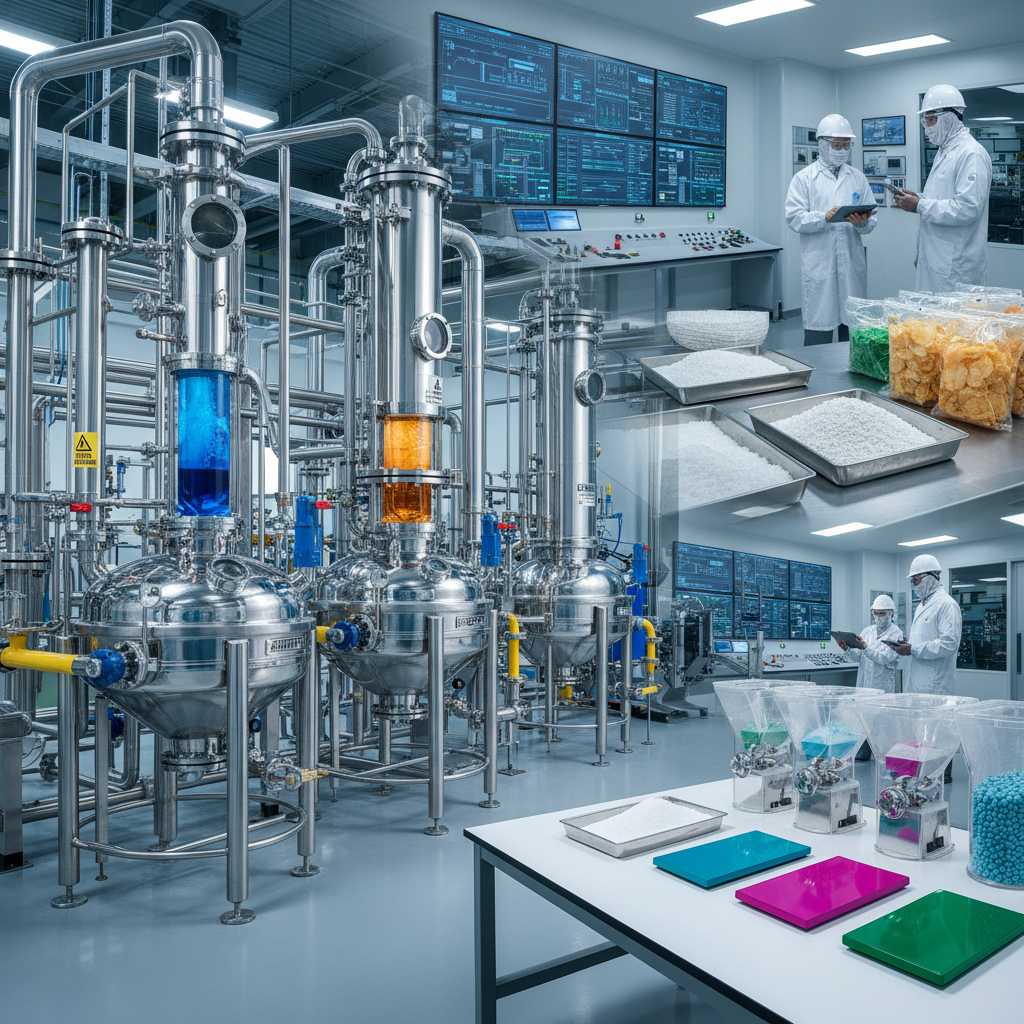
Potato chips, a globally beloved snack, owe their extended shelf life and appealing texture not just to the quality of potatoes and frying techniques, but also to the careful selection of preservatives. These substances play a crucial role in preventing rancidity, maintaining crispness, and ensuring food safety. This article dives deep into the world of potato chip preservation, outlining the common preservatives used, their functions, and considerations for consumers. Understanding these additives can help you make informed choices about the snacks you enjoy.
Why are Preservatives Necessary in Potato Chips?
Potato chips contain oils which are susceptible to oxidation, leading to rancidity and off-flavors. Moisture absorption also softens the chips, diminishing their desirable crispness. Preservatives address these issues by inhibiting oxidation, controlling moisture, and extending the product’s freshness. Without them, potato chips would quickly become stale, unpalatable, and potentially unsafe to consume. The need for preservation extends beyond taste; it also ensures that the chips remain safe for consumption over a reasonable period, minimizing the risk of spoilage.
Key Benefit: Preservatives prevent rancidity and maintain the crispness of potato chips, ensuring a longer shelf life and a more enjoyable snacking experience.
Common Preservatives Used in Potato Chips
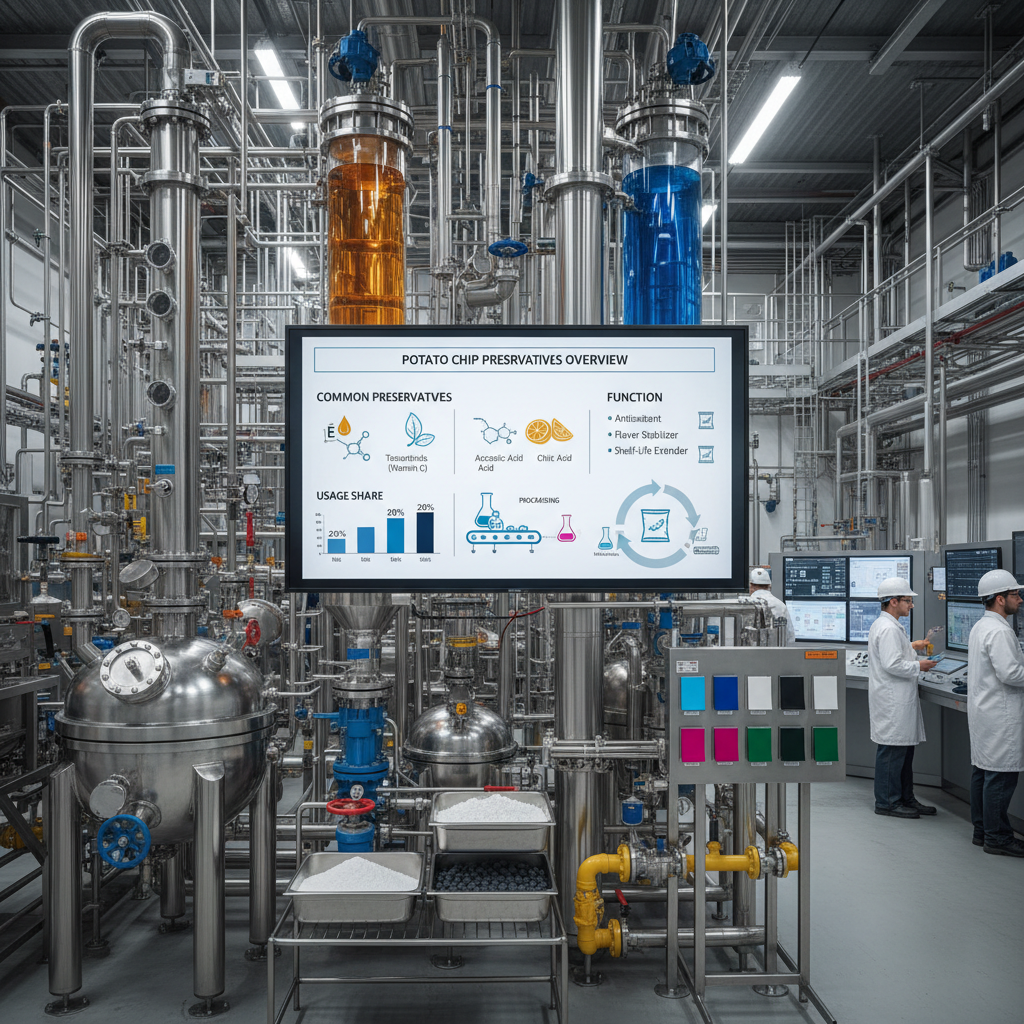
Several preservatives are commonly used in the potato chip industry. These include BHA (Butylated Hydroxyanisole), BHT (Butylated Hydroxytoluene), TBHQ (Tert-Butylhydroquinone), Citric Acid, and Vitamin E (Tocopherols). Each preservative functions slightly differently, but all aim to extend the product's shelf life. Citric Acid, for instance, acts as both a flavor enhancer and an antioxidant, while BHA, BHT, and TBHQ are primarily used to prevent oxidation of fats and oils. Vitamin E, a natural antioxidant, is often favored as a "clean label" alternative.
Preservative Functions:
• Prevent oxidation of fats and oils
• Control moisture absorption
• Enhance flavor (Citric Acid)
• Act as antioxidants
A Comparative Look at Synthetic vs. Natural Preservatives
There's a growing consumer demand for “clean label” products, leading to increased use of natural preservatives like Vitamin E and citric acid. While synthetic preservatives like BHA, BHT, and TBHQ are highly effective at preventing rancidity, they sometimes face scrutiny regarding potential health effects (though regulatory bodies generally deem them safe at permitted levels). Natural preservatives may require higher concentrations to achieve the same level of protection, potentially impacting the flavor profile or increasing production costs. Choosing between synthetic and natural options often involves a balance between efficacy, cost, and consumer perception. Tenger Chemical offers a variety of both options.
The Role of Packaging in Preserving Potato Chips
Beyond preservatives, the packaging itself plays a vital role. Modern potato chip bags are typically constructed from multiple layers of materials, including aluminum foil, polyester, and polyethylene. This multi-layer construction provides a barrier against moisture, oxygen, and light – all factors that contribute to spoilage. Nitrogen flushing is also commonly employed, replacing oxygen within the bag with an inert gas to further inhibit oxidation. The combination of preservatives and advanced packaging technology ensures that potato chips remain fresh and flavorful for an extended period.
Regulations and Safety of Preservatives
The use of preservatives in food is strictly regulated by government agencies like the FDA (Food and Drug Administration) in the United States and EFSA (European Food Safety Authority) in Europe. These agencies establish permissible levels for each preservative, ensuring they are safe for human consumption. Manufacturers must adhere to these regulations to legally market their products. While some consumers express concerns about the potential health effects of certain preservatives, the approved levels are generally recognized as safe based on extensive scientific evaluation. Tenger Chemical adheres to all international standards.
Conclusion: Balancing Preservation and Consumer Preferences
Preservatives are essential for maintaining the quality, safety, and shelf life of potato chips. The industry continually evolves, with a growing emphasis on natural alternatives and advanced packaging technologies to meet consumer demands. By understanding the role of these substances and the regulations governing their use, consumers can make informed choices about the snacks they enjoy.
Frequently Asked Questions (FAQs)
Are BHA and BHT harmful?
BHA and BHT have been the subject of some health concerns, but regulatory bodies like the FDA have consistently deemed them safe for use in food at approved levels. Some studies have suggested potential carcinogenic effects in animals, but these findings haven't been conclusively replicated in humans. Concerns primarily arise from high doses, significantly exceeding those typically found in food products.
What is TBHQ and why is it used?
TBHQ (Tert-Butylhydroquinone) is a synthetic antioxidant used to prevent the oxidation of fats and oils, extending the shelf life of potato chips. It's particularly effective at preserving flavor and preventing rancidity. While also subject to safety evaluations, it's generally considered safe at approved levels and is often used in combination with other preservatives to enhance their effectiveness.
Can I find potato chips without synthetic preservatives?
Yes, an increasing number of brands offer potato chips made without BHA, BHT, and TBHQ. These products often rely on natural preservatives like Vitamin E (tocopherols) and citric acid, or utilize advanced packaging techniques to extend shelf life. These "clean label" options may have a slightly shorter shelf life or a different taste profile.
How does nitrogen flushing contribute to shelf life?
Nitrogen flushing replaces the oxygen inside the potato chip bag with an inert gas. Oxygen promotes oxidation, leading to rancidity. By removing oxygen, nitrogen flushing significantly slows down this process, preserving the chips’ freshness, flavor, and texture. This technique complements the use of preservatives and packaging materials.
-
The Essential Guide to Sorbates as Food Preservatives for SafetyNewsApr.16,2026
-
The Ultimate Guide to Sorbate Preservative in Modern IndustryNewsApr.09,2026
-
Comprehensive Guide to Sodium Stearoyl Lactylate Emulsifier Applications and BenefitsNewsApr.07,2026
-
Comprehensive Guide to Sodium Cyclamate Sweetener Properties and ApplicationsNewsApr.04,2026
-
Comprehensive Guide to Sodium Citrate Food Additive and Its ApplicationsNewsMar.31,2026
-
Comprehensive Guide to Sodium Bicarbonate Food Additive Applications and BenefitsNewsMar.28,2026
-
Understanding Sodium Benzoate Preservative in Cosmetics and Its ApplicationsNewsMar.26,2026
Hebei Tenger Chemical Technology Co., Ltd. focuses on the chemical industry and is committed to the export service of chemical raw materials.
-
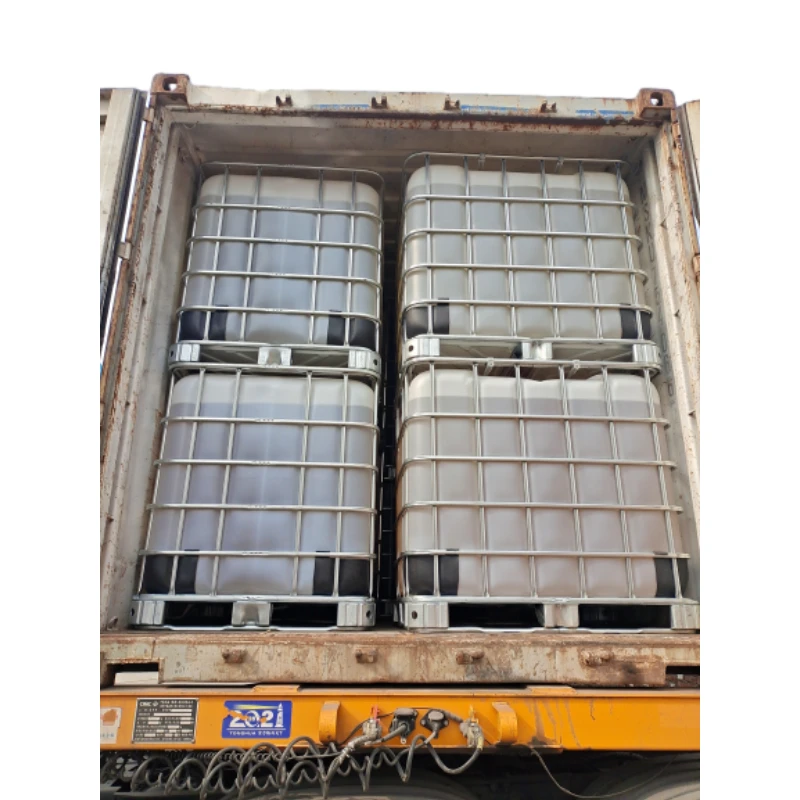
view more DiethanolisopropanolamineIn the ever-growing field of chemical solutions, diethanolisopropanolamine (DEIPA) stands out as a versatile and important compound. Due to its unique chemical structure and properties, DEIPA is of interest to various industries including construction, personal care, and agriculture. -
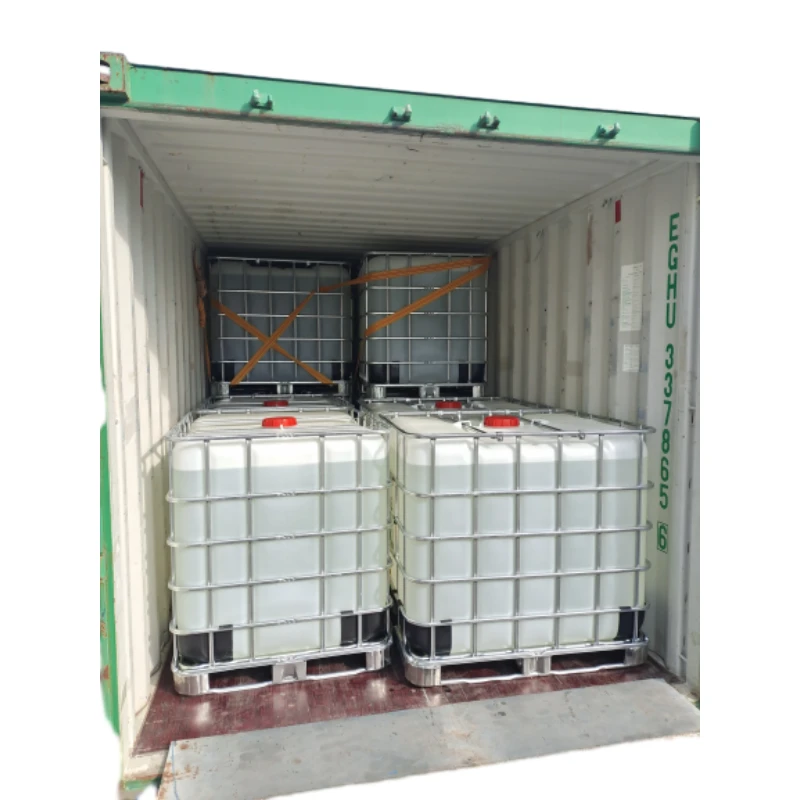
view more TriisopropanolamineTriisopropanolamine (TIPA) alkanol amine substance, is a kind of alcohol amine compound with amino and alcohol hydroxyl, and because of its molecules contains both amino and hydroxyl. -
view more Tetramethyl Thiuram DisulfideTetramethyl thiuram disulfide, also known as TMTD, is a white to light-yellow powder with a distinct sulfur-like odor. It is soluble in organic solvents such as benzene, acetone, and ethyl acetate, making it highly versatile for use in different formulations. TMTD is known for its excellent vulcanization acceleration properties, which makes it a key ingredient in the production of rubber products. Additionally, it acts as an effective fungicide and bactericide, making it valuable in agricultural applications. Its high purity and stability ensure consistent performance, making it a preferred choice for manufacturers across various industries.