





The Essential Guide to Sorbates as Food Preservatives for Safety
The Essential Guide to Sorbates as Food Preservatives
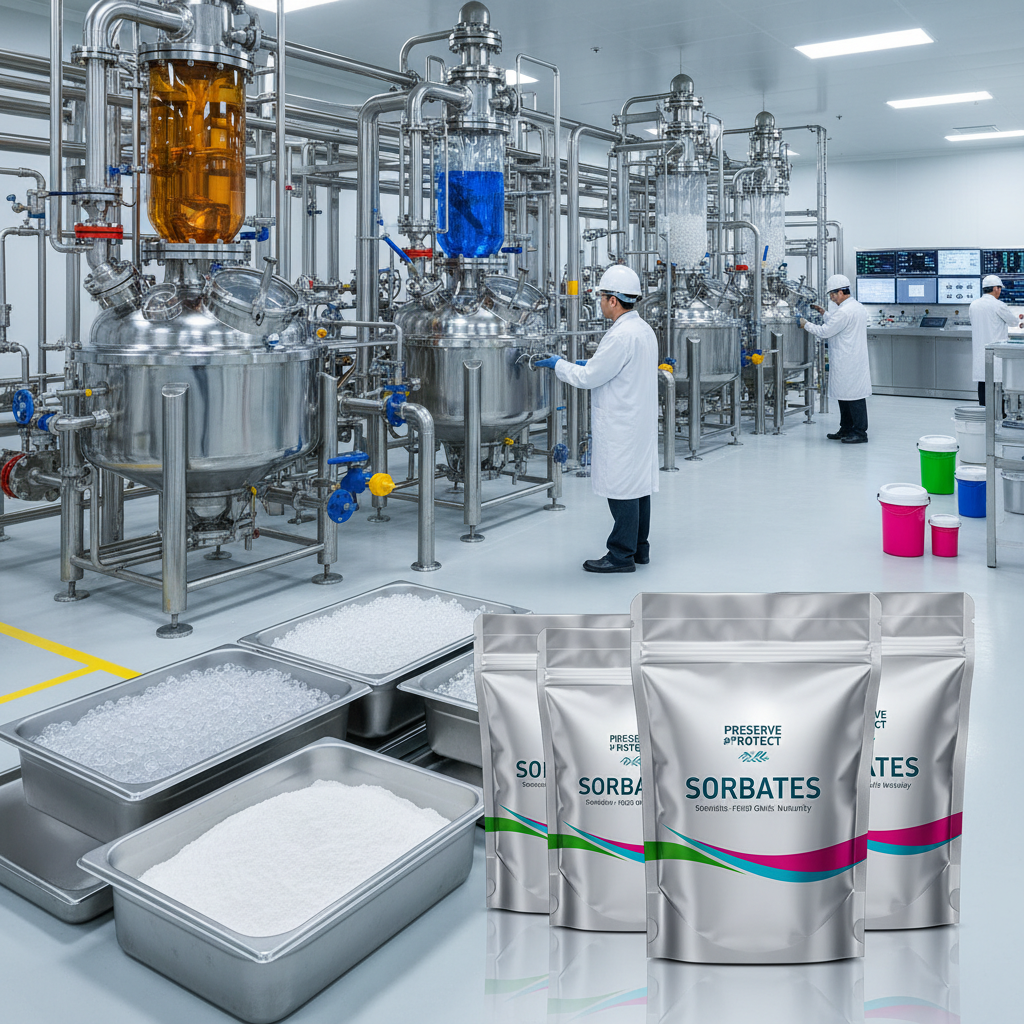
In the modern food industry, maintaining freshness and ensuring consumer safety are top priorities. The use of sorbates as food preservatives has become a cornerstone for manufacturers looking to inhibit the growth of molds and yeasts without compromising the taste or quality of their products. These chemical compounds, primarily potassium sorbate and sorbic acid, offer a highly effective way to extend shelf life and reduce food waste globally. Understanding how these preservatives work and where they are most effective is key to optimizing food formulation and safety standards.
How Sorbates Work to Protect Food
Sorbates operate by penetrating the cell membranes of microorganisms, specifically fungi. Once inside, they disrupt the metabolic processes of the yeast and mold, effectively preventing them from reproducing and spreading. This mechanism is particularly effective in foods with a slightly acidic pH, where the preservatives remain active. By integrating sorbates as food preservatives, producers can significantly lower the risk of spoilage in high-moisture environments. This process does not typically affect the sensory characteristics of the food, making it an invisible yet powerful shield for consumer health.
Pro Tip: Sorbates are most effective when the pH of the food product is below 6.5, as the undissociated form of the acid is what actually inhibits microbial growth.
Common Applications of Sorbates as Food Preservatives
The versatility of sorbates allows them to be used across a vast array of food categories. From baked goods to dairy products, these preservatives ensure that items remain safe during transport and storage. In the bakery sector, they prevent the growth of "rope" bacteria and mold on bread slices. In the beverage industry, they are frequently added to syrups and fruit juices to maintain clarity and stability. Utilizing sorbates as food preservatives helps brands maintain a consistent quality profile regardless of the distribution distance.
Primary Use Cases:
• Dairy: Cheese and yogurt stabilization
• Bakery: Cakes, pastries, and sliced breads
• Beverages: Wine, soft drinks, and fruit juices
• Condiments: Salad dressings and sauces
Comparing Potassium Sorbate and Sorbic Acid
While both are used as effective antimicrobial agents, there is a distinct difference in their solubility and application. Sorbic acid is the active preservative, but it has limited solubility in water. Potassium sorbate, the salt form, is highly soluble and much easier to incorporate into liquid formulations. For most industrial applications, potassium sorbate is preferred due to its ease of mixing. When comparing sorbates as food preservatives, the choice often depends on the specific chemistry of the food matrix.
Safety Standards for Sorbates in Food Production
The safety profile of sorbates is well-documented and approved by major health authorities, including the FDA and EFSA. These compounds are generally recognized as safe (GRAS) because they are metabolized by the body similarly to naturally occurring fatty acids. When utilizing sorbates as food preservatives, it is critical to adhere to the Maximum Permitted Levels (MPL) to ensure both efficacy and regulatory compliance. Over-dosage is rare but must be avoided to maintain the "clean label" appeal that modern consumers demand.
Technical Specifications of Food-Grade Sorbates
For industrial procurement, quality assurance is non-negotiable. Food-grade sorbates must meet strict purity standards to avoid contamination. The most common specification is the purity level, which typically exceeds 99%. When sourcing sorbates as food preservatives, manufacturers look for low heavy metal content and precise pH stability ranges to ensure the preservative performs consistently across different batches.
Future Trends in Preservative Technology
As the industry moves toward "clean label" products, there is a growing interest in combining sorbates as food preservatives with natural extracts, such as rosemary or citrus oils. This "hurdle technology" approach allows manufacturers to reduce the concentration of synthetic preservatives while maintaining the same level of antimicrobial protection. By using multiple barriers, food scientists can ensure a longer shelf life without triggering consumer concerns about artificial additives, blending tradition with innovation for a safer food supply chain.
Conclusion: Optimizing Shelf Life with Sorbates
The strategic implementation of sorbates as food preservatives provides an indispensable solution for the global food industry. By effectively inhibiting yeast and mold, these compounds protect the integrity of products, ensure consumer safety, and drastically reduce food waste. Whether choosing between potassium sorbate for liquidity or sorbic acid for dry applications, the key lies in precision, purity, and regulatory compliance. For high-quality preservative solutions, partnering with a professional chemical supplier is the first step toward product excellence.
Frequently Asked Questions (FAQs)
Are sorbates safe for long-term consumption?
Yes, sorbates are considered safe for long-term consumption by global health organizations. The human body treats sorbic acid much like a naturally occurring fatty acid, metabolizing it through the standard beta-oxidation process. Because they are highly effective at very low concentrations, the amount of preservative a consumer ingests daily is typically far below the Acceptable Daily Intake (ADI) levels established by the World Health Organization (WHO) and the FDA. This makes them a reliable choice for daily-use food items like bread and cheese.
Can sorbates protect food from bacteria as well as mold?
Sorbates are primarily specialized in inhibiting fungi, such as molds and yeasts. While they have some mild inhibitory effects on certain bacteria, they are not designed to be broad-spectrum antibacterial agents. For products that are highly susceptible to bacterial spoilage (such as meat or high-protein liquids), food scientists typically use sorbates in combination with other preservatives, such as benzoates or nitrites. This combined approach ensures a comprehensive defense system against all types of microbial contamination.
How does pH affect the efficacy of sorbates?
The effectiveness of sorbates as food preservatives is heavily dependent on the pH of the food environment. These preservatives work in their undissociated (acidic) form. As the pH level rises (becoming more alkaline), more of the preservative dissociates into ions, which cannot easily penetrate the cell walls of microorganisms. Therefore, sorbates are most potent in acidic foods (pH below 6.5). If a product has a neutral pH, a higher concentration of sorbate may be required, or the pH may need to be adjusted with other acids to ensure the preservative remains active.
What is the difference between food-grade and industrial-grade sorbates?
The primary difference lies in the purity and the strictness of the manufacturing process. Food-grade sorbates are produced under stringent Good Manufacturing Practices (GMP) to ensure that there are no contaminants, such as heavy metals or toxic residues, that could harm human health. They must meet specific pharmacopeia or food chemistry standards (such as FCC or USP). Industrial-grade sorbates may have higher impurity levels and are intended for use in cosmetics, paints, or other non-ingestible products. Always ensure you are sourcing food-grade materials for any edible product.
-
The Ultimate Guide to Sorbate Preservative in Modern IndustryNewsApr.09,2026
-
Comprehensive Guide to Sodium Stearoyl Lactylate Emulsifier Applications and BenefitsNewsApr.07,2026
-
Comprehensive Guide to Sodium Cyclamate Sweetener Properties and ApplicationsNewsApr.04,2026
-
Comprehensive Guide to Sodium Citrate Food Additive and Its ApplicationsNewsMar.31,2026
-
Comprehensive Guide to Sodium Bicarbonate Food Additive Applications and BenefitsNewsMar.28,2026
-
Understanding Sodium Benzoate Preservative in Cosmetics and Its ApplicationsNewsMar.26,2026
-
Comprehensive Guide to Sodium Benzoate Preservative Applications and SafetyNewsMar.24,2026
Hebei Tenger Chemical Technology Co., Ltd. focuses on the chemical industry and is committed to the export service of chemical raw materials.
-
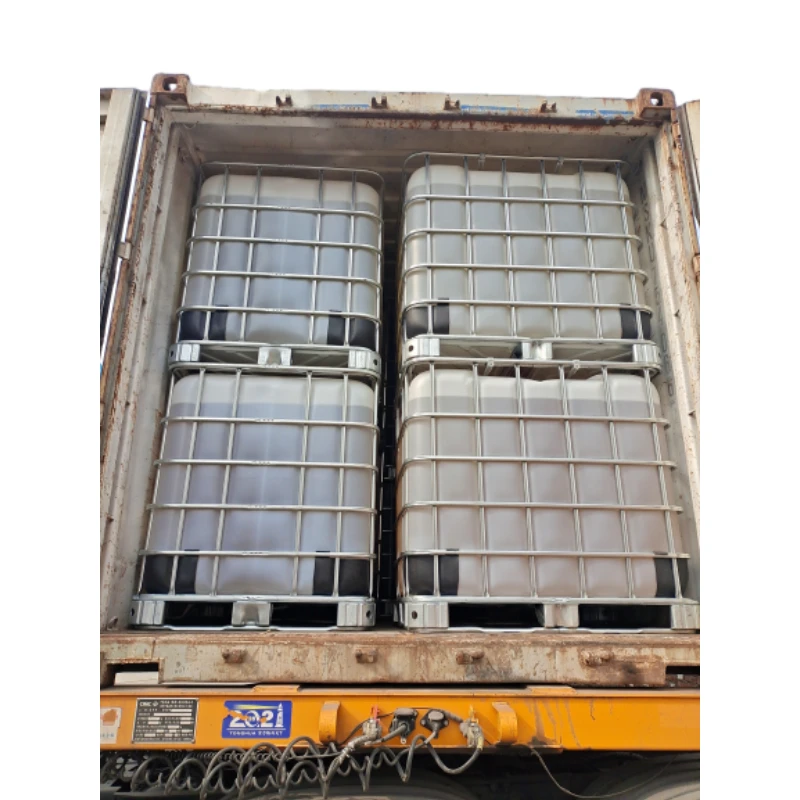
view more DiethanolisopropanolamineIn the ever-growing field of chemical solutions, diethanolisopropanolamine (DEIPA) stands out as a versatile and important compound. Due to its unique chemical structure and properties, DEIPA is of interest to various industries including construction, personal care, and agriculture. -
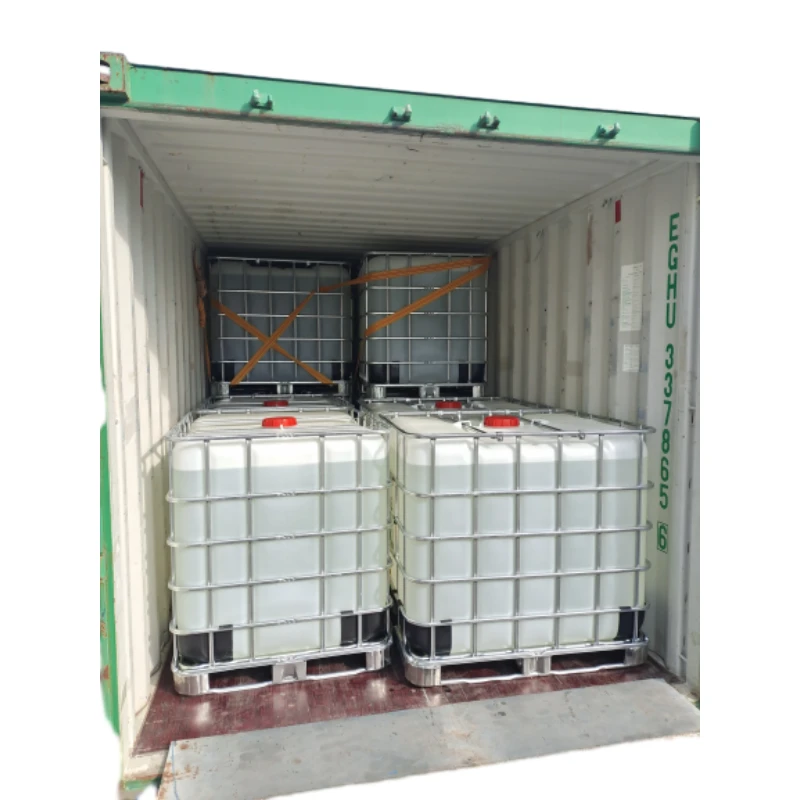
view more TriisopropanolamineTriisopropanolamine (TIPA) alkanol amine substance, is a kind of alcohol amine compound with amino and alcohol hydroxyl, and because of its molecules contains both amino and hydroxyl. -

view more Tetramethyl Thiuram DisulfideTetramethyl thiuram disulfide, also known as TMTD, is a white to light-yellow powder with a distinct sulfur-like odor. It is soluble in organic solvents such as benzene, acetone, and ethyl acetate, making it highly versatile for use in different formulations. TMTD is known for its excellent vulcanization acceleration properties, which makes it a key ingredient in the production of rubber products. Additionally, it acts as an effective fungicide and bactericide, making it valuable in agricultural applications. Its high purity and stability ensure consistent performance, making it a preferred choice for manufacturers across various industries.