High-Performance aluminum hydroxide Solutions for New Zealand Industry

Driving sustainable manufacturing and agricultural excellence across Oceania with precision-engineered chemical raw materials.

High-Performance aluminum hydroxide Solutions for New Zealand Industry

Providing the New Zealand market with professional-grade synthetic resins, plastics, and essential chemical components to optimize industrial efficiency and crop yield.

Chemical Raw Material Landscape in New Zealand

Analyzing the intersection of Oceania's environmental regulations and industrial demand.

New Zealand's chemical sector is characterized by a strong commitment to ecological sustainability, heavily influencing the demand for industrial chemcials. The geographic isolation of the islands necessitates a robust supply chain for synthetic resins and plastics that can withstand diverse maritime and alpine climates.

The agricultural backbone of the economy drives a specialized market for soil enhancers. There is a significant shift toward high-purity calcium fertilizer to combat soil acidity in specific regional terrains, ensuring the productivity of dairy and horticultural exports.

Furthermore, the stringent food safety standards of the Oceania region have increased the requirement for pharmaceutical-grade food additives, moving away from generic imports toward certified, high-stability chemical compounds that meet local regulatory frameworks.
Evolution of Resin and Plastic Manufacturing

From traditional bulk processing to precision chemical synthesis.

Market Development History

In the late 20th century, New Zealand's chemical industry relied on basic polymer imports. The focus was primarily on volume, with synthetic resins used in simple construction and packaging applications without high-tech specifications.

Between 2005 and 2015, the industry transitioned toward "Specialty Chemicals." The introduction of advanced organic nitrogen fertilizer formulations revolutionized the local agribusiness, shifting from synthetic urea to more bio-available organic compounds.

Since 2018, the trend has pivoted toward "Green Chemistry." The integration of flame retardants and eco-friendly fillers in plastic manufacturing has become the standard, aligning with the global move toward carbon neutrality.

Future Development Trends

Biodegradable Polymer Integration

Increased adoption of PLA and PHA blends to replace traditional plastics in the packaging sector, reducing Oceania's plastic waste footprint.

Precision Nutrient Delivery

The evolution of smart-release fertilizers that synchronize nutrient delivery with crop growth cycles, reducing runoff and environmental impact.

Nano-Scale Chemical Refinement

Implementing nano-coatings in industrial resins to improve durability and corrosion resistance in New Zealand's salty coastal environments.

Future Outlook for Synthetic Materials

Projecting the next 5 years of chemical innovation in New Zealand.

Circular Economy Shift
Rapid growth in chemical recycling technologies to recover raw monomers from waste plastics.
Low-Emission Production
Transitioning to hydrogen-based heating in chemical synthesis to reduce carbon intensity.
Bio-Based Additives
Replacing petroleum-derived catalysts with bio-enzymes for high-purity chemical reactions.
Smart Material Sensing
Developing synthetic resins with embedded sensors for structural health monitoring.

Industry Outlook

Based on Google search trend analysis for the Oceania region, there is a surging interest in "sustainable chemical sourcing" and "non-toxic food stabilizers." This indicates a market shift where transparency in the chemical supply chain becomes a competitive advantage.

The synergy between high-grade synthetic resins and agricultural chemicals will likely lead to the development of advanced greenhouse materials that optimize light transmission and heat retention, specifically tailored for New Zealand's varied microclimates.

Localized Application Scenarios in New Zealand

Real-world implementation of our chemical portfolio across various sectors.

01. Viticulture Soil Optimization

Utilizing high-purity calcium fertilizer in Marlborough vineyards to balance soil pH, enhancing grape quality and increasing overall vineyard resilience.

02. High-Performance Marine Coatings

Integrating specialized synthetic resins with flame-retardant fillers to create corrosion-resistant coatings for Auckland's commercial shipping and yachting fleet.

03. Organic Dairy Pasture Management

Implementing organic nitrogen fertilizer in Waikato dairy farms to improve grass nutrient density while meeting strict environmental runoff regulations.

04. Dairy Processing Grade Stabilizers

Deploying precision-engineered food additives in cheese and milk powder production to ensure long-term stability for international export.

05. Fire-Safe Building Materials

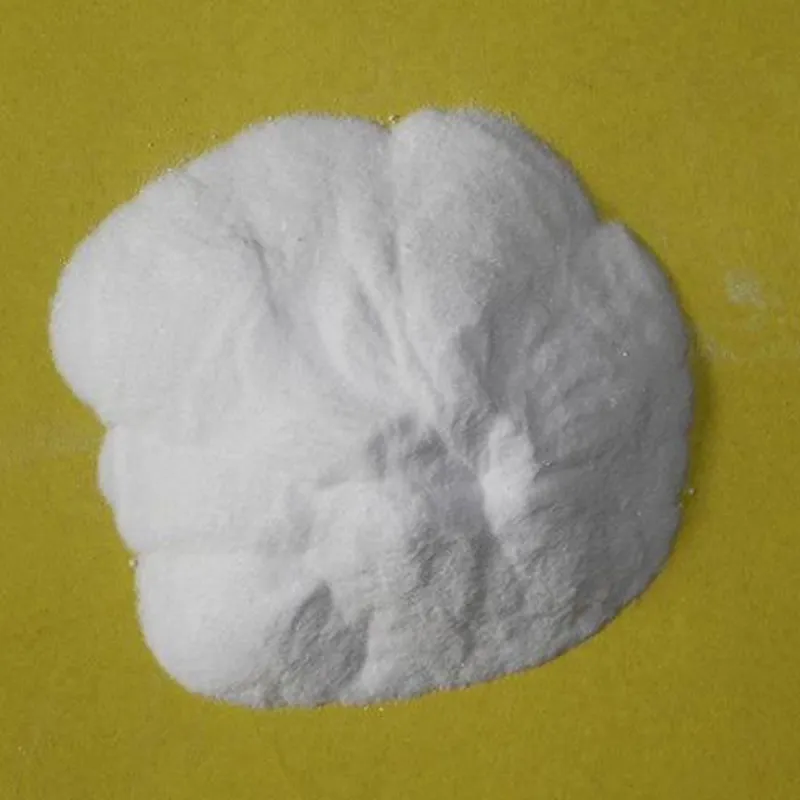
Using refined aluminum hydroxide as a non-toxic smoke suppressant in the manufacturing of insulation panels for residential construction.

Brand Story

Global Development History of Hebei Tenger Chemical Technology Co., Ltd.

Foundation and Vision

Established with a mission to bridge the gap between complex chemical synthesis and practical industrial application, focusing on high-purity raw materials.

Technical Breakthroughs

Developing proprietary processes for synthetic resins that reduced energy consumption by 20%, setting a new benchmark for efficiency.

Global Market Expansion

Scaling operations to serve Oceania, ensuring that New Zealand industries have direct access to world-class chemical components.

Sustainability Certification

Achieving international environmental certifications, proving that industrial chemistry can coexist with ecological preservation.

The Future of Synergy

Continuing to innovate in the field of synthetic plastics and fertilizers to solve the most pressing resource challenges of the 21st century.

Comprehensive Chemical Portfolio for New Zealand

Integrated solutions spanning agriculture, food science, and industrial manufacturing.

Industrial Chemical FAQ - New Zealand

Expert answers to the most common technical and logistical queries.

How does aluminum hydroxide improve fire safety in construction?

It acts as a non-toxic flame retardant that releases water vapor when heated, effectively cooling the material and suppressing smoke formation in plastics and resins.

What are the benefits of organic nitrogen fertilizer over synthetic options?

Organic variants provide a slow-release mechanism that improves soil structure and reduces the risk of nitrogen leaching into New Zealand's waterways.

Can calcium fertilizer be used in conjunction with other micronutrients?

Yes, our calcium formulations are designed for high compatibility, allowing them to be integrated into a comprehensive nutrient plan without causing precipitation.

How do you ensure the purity of food additives for export markets?

We employ multi-stage filtration and rigorous HPLC testing to ensure every batch meets international food safety and purity standards.

What is the lead time for industrial chemicals shipped to Oceania?

Depending on the volume and shipping method, typical lead times range from 4 to 8 weeks, with optimized logistics to minimize transit delays.

Which synthetic resins are best for high-humidity environments?

We recommend our reinforced epoxy and polyurethane resins, which provide superior moisture barriers and prevent delamination in humid conditions.

Partner with Industry Experts

Ready to optimize your production line or crop yield in New Zealand? Our technical team is standing by to provide customized chemical solutions.

Contact Us Now
  • +86-13673136186

If you are interested in our products, you can choose to leave your information here, and we will be in touch with you shortly.