





Understanding Preservatives Used in Sweets for Enhanced Shelf Life and Safety
Preservatives Used in Sweets: A Comprehensive Guide
The delectable world of sweets relies on a delicate balance of ingredients to achieve desired texture, flavor, and, crucially, shelf life. Preservatives used in sweets play a vital role in preventing spoilage caused by microbial growth, oxidation, and enzymatic reactions. Understanding these preservatives, their functions, and safety considerations is essential for both manufacturers and consumers. This article explores the common preservatives utilized in the confectionery industry, providing insights into their mechanisms and regulatory aspects. Proper preservation techniques are key to delivering safe and enjoyable sweet treats.

Common Types of Preservatives in Sweets
A variety of preservatives are employed in sweet manufacturing, each with unique properties and applications. These can be broadly categorized into natural and synthetic options. Natural preservatives, like honey and salt, have been used for centuries, while synthetic preservatives offer specific functionalities and extended shelf-life potential. Benzoates, sorbates, and propionates are among the most widely used synthetic preservatives. Understanding the nuances of each type is crucial for selecting the most appropriate preservative for a specific product. Tenger Chemical specializes in the supply of high-quality preservatives for the food industry, ensuring product safety and longevity.
Key Highlights: The selection of the appropriate preservative depends on the type of sweet, its pH level, water activity, and desired shelf life. Proper usage and adherence to regulatory limits are paramount.
Benzoates: Sodium Benzoate and Potassium Benzoate
Benzoates, particularly sodium benzoate and potassium benzoate, are highly effective against yeasts and molds. They function best in acidic environments (pH below 4.5), making them ideal for fruit-based sweets, jams, and jellies. These preservatives inhibit microbial growth by disrupting their cellular functions. While generally considered safe at approved levels, some individuals may experience allergic reactions. They are often used in combination with other preservatives to broaden the spectrum of protection.
Benefits of Benzoates:
• Effective against yeasts and molds
• Best suited for acidic sweets
• Relatively inexpensive
• Broadly applicable in confectionery
Sorbates vs. Benzoates: A Comparative Analysis
Sorbates (potassium sorbate, sorbic acid) and benzoates are frequently used interchangeably, but they possess distinct characteristics. Sorbates are effective over a wider pH range than benzoates, making them suitable for sweets with a slightly higher pH. However, benzoates generally exhibit stronger antimicrobial activity. The choice between the two often depends on the specific product formulation and desired preservative effect. Tenger Chemical can provide expert guidance on selecting the optimal preservative based on your unique needs.
Regulatory Considerations and Safety
The use of preservatives in sweets is strictly regulated by food safety authorities worldwide, such as the FDA in the United States and EFSA in Europe. These regulations establish acceptable daily intakes (ADIs) and maximum permissible levels for each preservative. Manufacturers must adhere to these guidelines to ensure consumer safety. Ongoing research continues to evaluate the safety of food preservatives, and regulations are updated accordingly. It's vital to source preservatives from reputable suppliers like Tenger Chemical, who prioritize quality and compliance.

Looking Ahead: Emerging Trends in Sweet Preservation
The confectionery industry is continuously exploring innovative preservation methods to meet consumer demand for natural and clean-label products. Techniques like high-pressure processing (HPP) and pulsed electric field (PEF) are gaining traction as non-thermal preservation alternatives. Furthermore, research into natural antimicrobials derived from plant extracts offers promising avenues for reducing reliance on synthetic preservatives. Tenger Chemical remains at the forefront of these advancements, offering solutions that align with evolving industry trends.
Conclusion: Ensuring Sweet Safety and Quality
Preservatives are indispensable in maintaining the safety, quality, and shelf life of sweets. By understanding the different types of preservatives, their mechanisms, and regulatory guidelines, manufacturers can make informed decisions to deliver enjoyable and wholesome products to consumers. Tenger Chemical is dedicated to providing high-quality preservatives and expert support to the confectionery industry, ensuring a sweet future for all.
Frequently Asked Questions (FAQs)
What are the potential health concerns associated with preservatives in sweets?
While preservatives are generally considered safe at approved levels, some individuals may experience sensitivities or allergic reactions. Common concerns include potential links to hyperactivity in children (though evidence is mixed) and, in rare cases, more severe reactions. It's important to note that regulatory bodies rigorously assess the safety of preservatives before approving their use. Choosing sweets from reputable brands that adhere to strict quality control standards can minimize potential risks. Consumers with known sensitivities should carefully read ingredient labels.
Are natural preservatives a viable alternative to synthetic ones?
Natural preservatives, such as honey, salt, vinegar, and certain plant extracts, can offer some level of preservation. However, they often provide less robust protection compared to synthetic preservatives and may require higher concentrations, potentially affecting the taste or texture of the sweet. The effectiveness of natural preservatives also varies depending on the specific product and storage conditions. While consumers increasingly prefer natural options, a combination of natural and synthetic preservatives may be necessary to achieve optimal shelf life and safety.
How do I store sweets to maximize their shelf life?
Proper storage is crucial for maximizing the shelf life of sweets. Store sweets in airtight containers to prevent moisture absorption and oxidation. Keep them in a cool, dry place away from direct sunlight and heat. For longer-term storage, refrigeration or freezing may be appropriate, depending on the type of sweet. Avoid storing sweets near strong-smelling foods, as they can absorb odors. Following the manufacturer's storage instructions is always recommended.
-
The Essential Guide to Sorbates as Food Preservatives for SafetyNewsApr.16,2026
-
The Ultimate Guide to Sorbate Preservative in Modern IndustryNewsApr.09,2026
-
Comprehensive Guide to Sodium Stearoyl Lactylate Emulsifier Applications and BenefitsNewsApr.07,2026
-
Comprehensive Guide to Sodium Cyclamate Sweetener Properties and ApplicationsNewsApr.04,2026
-
Comprehensive Guide to Sodium Citrate Food Additive and Its ApplicationsNewsMar.31,2026
-
Comprehensive Guide to Sodium Bicarbonate Food Additive Applications and BenefitsNewsMar.28,2026
-
Understanding Sodium Benzoate Preservative in Cosmetics and Its ApplicationsNewsMar.26,2026
Hebei Tenger Chemical Technology Co., Ltd. focuses on the chemical industry and is committed to the export service of chemical raw materials.
-
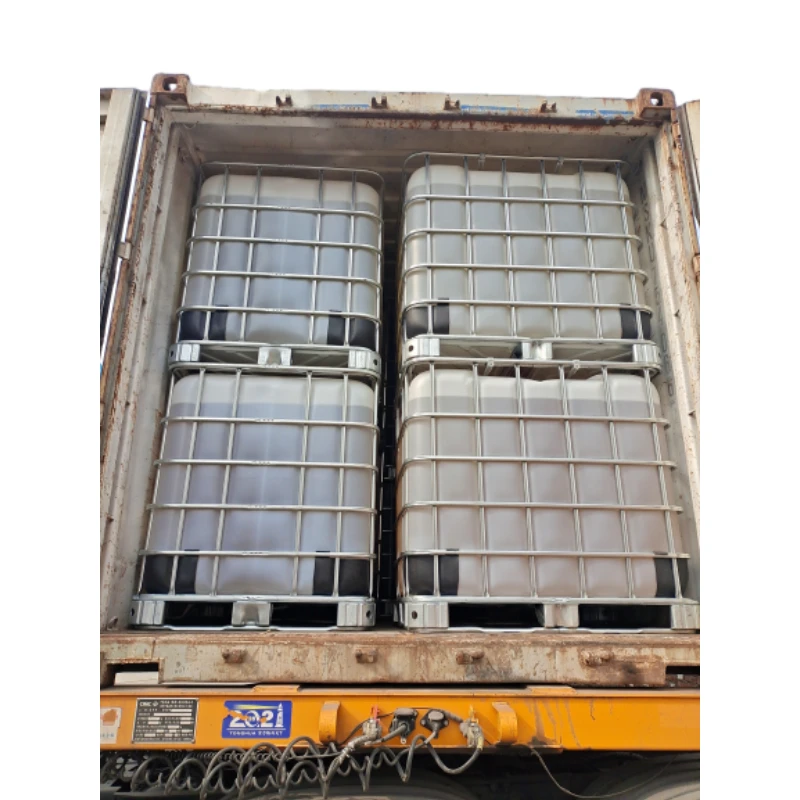
view more DiethanolisopropanolamineIn the ever-growing field of chemical solutions, diethanolisopropanolamine (DEIPA) stands out as a versatile and important compound. Due to its unique chemical structure and properties, DEIPA is of interest to various industries including construction, personal care, and agriculture. -
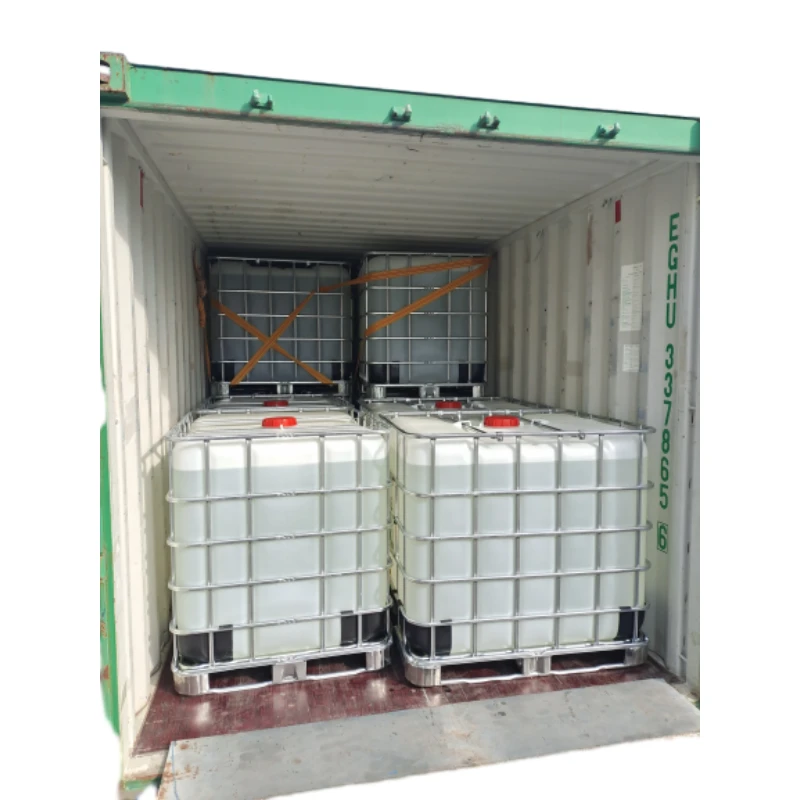
view more TriisopropanolamineTriisopropanolamine (TIPA) alkanol amine substance, is a kind of alcohol amine compound with amino and alcohol hydroxyl, and because of its molecules contains both amino and hydroxyl. -
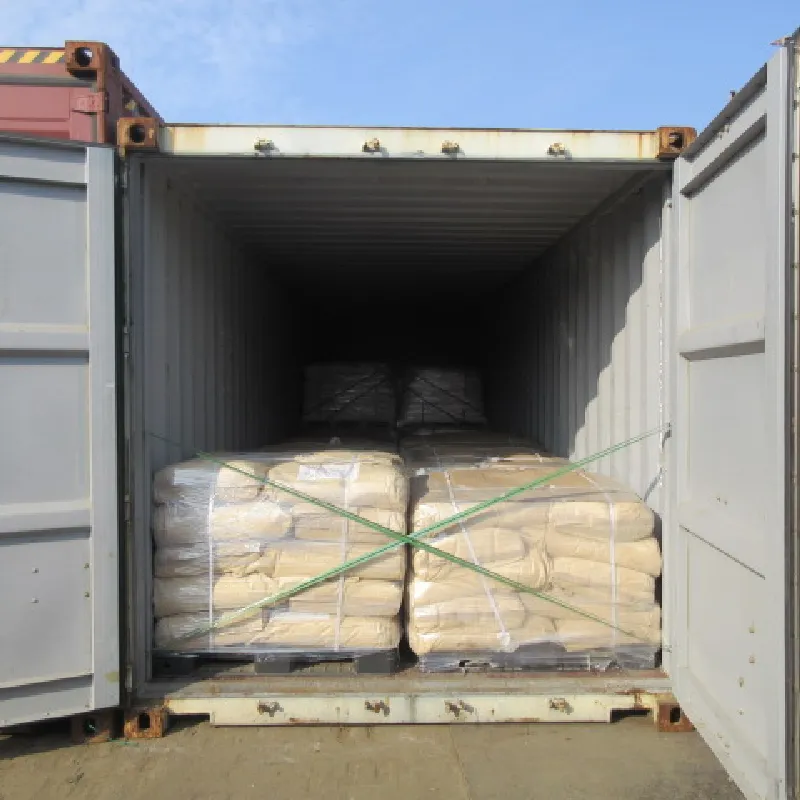
view more Tetramethyl Thiuram DisulfideTetramethyl thiuram disulfide, also known as TMTD, is a white to light-yellow powder with a distinct sulfur-like odor. It is soluble in organic solvents such as benzene, acetone, and ethyl acetate, making it highly versatile for use in different formulations. TMTD is known for its excellent vulcanization acceleration properties, which makes it a key ingredient in the production of rubber products. Additionally, it acts as an effective fungicide and bactericide, making it valuable in agricultural applications. Its high purity and stability ensure consistent performance, making it a preferred choice for manufacturers across various industries.