





Understanding the Critical Role of Preservatives Used in Chemical Product Formulation
Understanding Preservatives Used in Chemical Products
In the chemical industry, maintaining product integrity and extending shelf life are paramount. This is where preservatives used play a crucial role. They prevent degradation caused by microbial growth, oxidation, and other factors, ensuring that chemicals remain effective and safe for their intended applications. At Tenger Chemical, we specialize in providing high-quality preservatives tailored to diverse industrial needs. Choosing the correct preservative is vital for optimizing product performance and meeting regulatory requirements.

Why Are Preservatives Used in Chemical Formulations?
Preservatives are essential for several key reasons. First, they inhibit the growth of bacteria, fungi, and yeasts that can contaminate chemical products, leading to spoilage and reduced efficacy. Second, they prevent oxidation, a process that can alter a chemical's composition and properties. Third, they extend the product's shelf life, reducing waste and improving cost-effectiveness. Without adequate preservation, chemicals can become unstable, dangerous to use, and ultimately, unusable. The types of preservatives used are often dictated by the chemical's composition and intended application.
Key Benefits: Prolonged shelf life, prevention of microbial contamination, maintenance of chemical stability, enhanced product safety, and cost savings.
Common Types of Preservatives Used
A wide range of preservatives are available, each with its own strengths and weaknesses. Some common categories include: Formaldehyde releasers, which slowly release formaldehyde to inhibit microbial growth; isothiazolinones, effective against bacteria and fungi; parabens, widely used but facing increasing scrutiny; and organic acids, such as benzoic and sorbic acid, commonly used in food and cosmetics. The selection of the appropriate preservative depends on factors like pH, compatibility with other ingredients, and regulatory restrictions. Tenger Chemical offers a comprehensive portfolio of preservatives to suit diverse requirements.
Preservative Types:
• Formaldehyde Releasers
• Isothiazolinones
• Parabens
• Organic Acids
Preservatives Used: A Comparative Analysis
Selecting the ideal preservative requires a careful consideration of its effectiveness, safety profile, and compatibility with the chemical formulation. Here's a comparative overview of some commonly preservatives used:
Regulatory Considerations & Future Trends
The use of preservatives used is subject to stringent regulations by agencies like the FDA and EPA. These regulations dictate permissible levels, labeling requirements, and acceptable applications. Staying compliant with these regulations is critical. Currently, there's a growing trend toward "preservative-free" formulations and the exploration of natural preservatives, driven by consumer demand for safer and more sustainable products. However, achieving effective preservation without traditional preservatives can be challenging, often requiring innovative formulation strategies.

Conclusion: Choosing the Right Preservative Partner
Selecting the appropriate preservatives for your chemical formulations is a complex process that requires expertise and a thorough understanding of regulatory requirements. Tenger Chemical is your trusted partner, offering a wide range of high-quality preservatives, expert technical support, and a commitment to helping you achieve optimal product performance and compliance. We provide customized solutions to meet your specific needs, ensuring the longevity and integrity of your valuable chemical products.
Frequently Asked Questions (FAQs)
What factors influence the choice of preservative?
Several factors come into play when selecting a preservative. These include the chemical composition of the product, the pH level, the intended application, compatibility with other ingredients, potential toxicity, regulatory restrictions, and cost considerations. The target microorganisms are also important; some preservatives are more effective against bacteria, while others are better against fungi. A comprehensive assessment of these factors is crucial for optimal preservative selection. Tenger Chemical's team of experts can help you navigate these complexities.
How can I determine the minimum effective concentration of a preservative?
Determining the minimum effective concentration typically involves challenge testing. This process involves deliberately contaminating the product with microorganisms and then measuring the preservative's ability to inhibit their growth over time. Different standards organizations (like the AOAC) provide specific challenge testing protocols. It’s vital to use a concentration that effectively controls microbial growth while remaining within regulatory limits. Collaboration with a qualified laboratory is recommended to ensure accurate and reliable results.
Are natural preservatives as effective as synthetic ones?
The effectiveness of natural preservatives varies greatly depending on the specific preservative and the application. While some natural preservatives, like essential oils and certain organic acids, exhibit antimicrobial activity, they often require higher concentrations to achieve comparable efficacy to synthetic preservatives. They may also have limited stability or compatibility issues. Ongoing research is exploring ways to enhance the performance of natural preservatives, but synthetic options generally offer broader spectrum activity and more consistent results.
What are the key considerations for preservative storage?
Proper storage is crucial to maintain preservative efficacy. Preservatives should be stored in a cool, dry, and well-ventilated area, away from direct sunlight and heat sources. Containers should be tightly sealed to prevent contamination and moisture absorption. Always refer to the manufacturer's safety data sheet (SDS) for specific storage recommendations. Following these guidelines ensures the preservative remains stable and effective for its intended use.
-
The Essential Guide to Sorbates as Food Preservatives for SafetyNewsApr.16,2026
-
The Ultimate Guide to Sorbate Preservative in Modern IndustryNewsApr.09,2026
-
Comprehensive Guide to Sodium Stearoyl Lactylate Emulsifier Applications and BenefitsNewsApr.07,2026
-
Comprehensive Guide to Sodium Cyclamate Sweetener Properties and ApplicationsNewsApr.04,2026
-
Comprehensive Guide to Sodium Citrate Food Additive and Its ApplicationsNewsMar.31,2026
-
Comprehensive Guide to Sodium Bicarbonate Food Additive Applications and BenefitsNewsMar.28,2026
-
Understanding Sodium Benzoate Preservative in Cosmetics and Its ApplicationsNewsMar.26,2026
Hebei Tenger Chemical Technology Co., Ltd. focuses on the chemical industry and is committed to the export service of chemical raw materials.
-
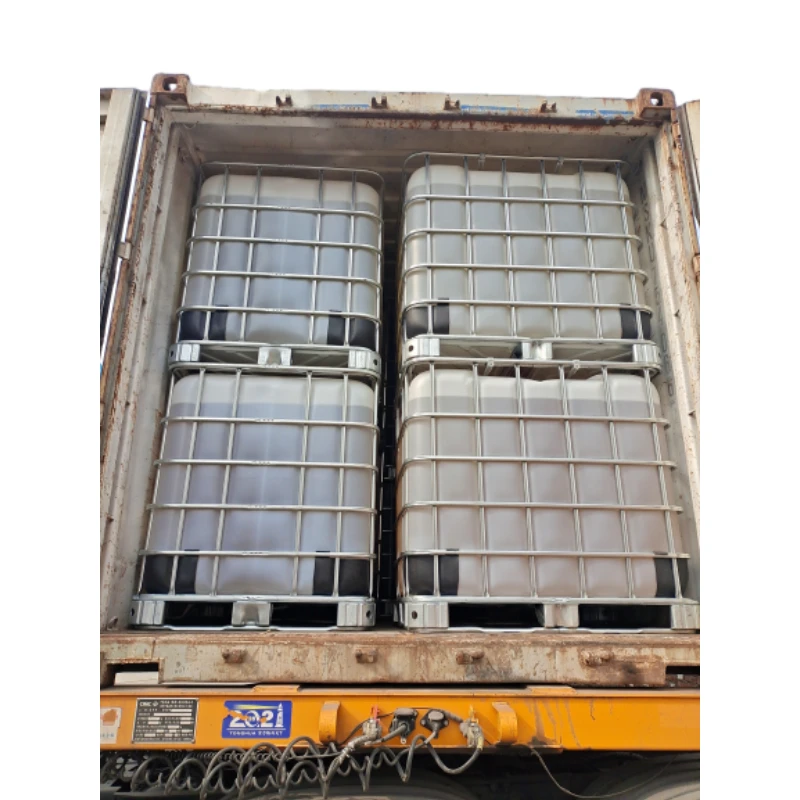
view more DiethanolisopropanolamineIn the ever-growing field of chemical solutions, diethanolisopropanolamine (DEIPA) stands out as a versatile and important compound. Due to its unique chemical structure and properties, DEIPA is of interest to various industries including construction, personal care, and agriculture. -
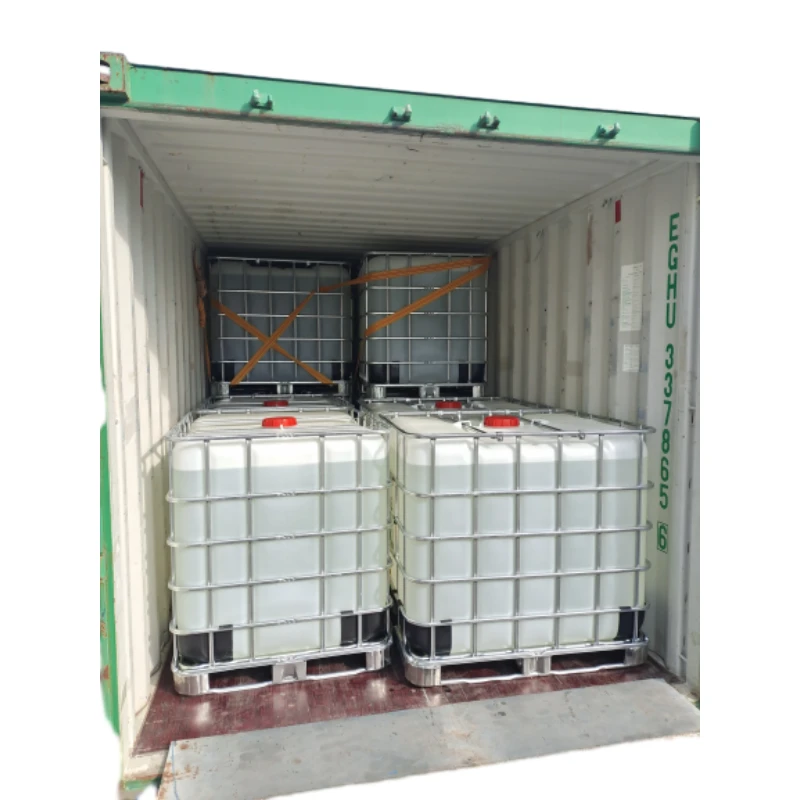
view more TriisopropanolamineTriisopropanolamine (TIPA) alkanol amine substance, is a kind of alcohol amine compound with amino and alcohol hydroxyl, and because of its molecules contains both amino and hydroxyl. -

view more Tetramethyl Thiuram DisulfideTetramethyl thiuram disulfide, also known as TMTD, is a white to light-yellow powder with a distinct sulfur-like odor. It is soluble in organic solvents such as benzene, acetone, and ethyl acetate, making it highly versatile for use in different formulations. TMTD is known for its excellent vulcanization acceleration properties, which makes it a key ingredient in the production of rubber products. Additionally, it acts as an effective fungicide and bactericide, making it valuable in agricultural applications. Its high purity and stability ensure consistent performance, making it a preferred choice for manufacturers across various industries.