





Unlocking the Power of Acidulant Citric Acid in Global Industries
Acidulant Citric Acid: Unlocking Its Global Importance and Practical Benefits
At first glance, acidulant citric acid might seem like just another chemical ingredient in the long list of additives filling our food and industrial products. But taking a step back, it's actually a tiny powerhouse with huge global impact. Understanding what acidulant citric acid is and why it’s so vital touches everything from food preservation to pharmaceutical manufacturing, even sustainable agriculture. On a global scale, this organic acid — naturally found in citrus fruits — helps industries innovate safer, cleaner, and more efficient processes. In real terms, knowing its properties and uses opens doors to better quality products and improved public health.
Why the World Relies on Acidulant Citric Acid
Globally, the demand for acidulants like citric acid has been steadily growing. Figures from the International Citric Acid Manufacturer’s Association report a market exceeding 2 million tons annually — and rising. According to UN and ISO standards, this growth correlates strongly with expanding food processing sectors, particularly in Asia-Pacific and Europe. The challenge that citric acid addresses is multifaceted: preserving food quality without relying on harmful chemicals, enhancing flavor profiles naturally, and supporting environmentally friendly production methods. Given the rise of clean-label products and stricter food safety regulations worldwide, acidulant citric acid is essential. Oddly enough, it bridges chemistry and sustainability better than many alternatives.
Mini Takeaway:
The global appetite for healthier, safer, and sustainable food products keeps acidulant citric acid firmly in the spotlight, making it an indispensable asset for manufacturers and consumers alike.
Defining Acidulant Citric Acid in Simple Terms
At its core, acidulant citric acid is a naturally occurring weak organic acid with the formula C6H8O7. It’s produced both naturally — notably in lemons, limes, and other citrus fruits — and commercially, mainly via fermentation using molds like Aspergillus niger. In the industrial world, it acts as a safe acidifier, flavor enhancer, and preservative. What’s fascinating is how a seemingly humble molecule has become a critical player in industries ranging from food and beverages, pharmaceuticals, cosmetics, to even water treatment.
The reason it matters beyond chemistry is that citric acid mimics natural processes and fits the bill for modern humanitarian needs—safe preservation, reducing food waste, and curbing excess chemical usage. If you think about how long fresh produce lasts without preservatives, it’s no wonder citric acid’s role is huge globally.
Mini Takeaway:
Simply put, acidulant citric acid is a natural, versatile acid that industries rely on for safe and eco-friendly acidification and preservation.
Core Components and Practical Aspects of Acidulant Citric Acid
1. Purity and Safety
Purity is paramount. High-purity citric acid ensures consistent acidity levels, which is critical for food safety, taste, and pharmaceutical formulations. Many producers adhere to pharmaceutical-grade standards, which builds trust and compliance with global food safety organizations.
2. Cost Efficiency
Citric acid is remarkably cost-effective when used as an acidulant compared to alternatives like tartaric or lactic acid. This affordability opens its use up to both large-scale manufacturers and smaller processors in developing regions.
3. Biodegradability and Eco-Friendliness
Unlike many synthetic acidulants, citric acid is biodegradable and poses minimal environmental risk. It breaks down naturally, addressing growing sustainability concerns in supply chains.
4. Versatility in Application
Acidulant citric acid can be used in solid, liquid, or powder forms, allowing it to fit seamlessly into a variety of production processes—from beverage carbonation to chelation in detergents.
5. Stability and Shelf Life
It remains stable under typical storage conditions and extends the shelf life of perishable goods by maintaining acidity, preventing microbial growth.
Mini Takeaway:
Focusing on purity, cost, sustainability, and versatility is what makes acidulant citric acid a win-win in practical applications.
Global Applications and Real-World Use Cases
Acidulant citric acid isn’t just confined to lab shelves. Industries and regions across continents have integrated it for various benefits. For example:
- Food and Beverage: Used universally to enhance flavor, preserve juices, candies, and canned goods — especially in North America and Europe.
- Pharmaceuticals: Citric acid regulates pH in medicines and acts as a dissolving agent in effervescent tablets worldwide.
- Cosmetics: It adjusts acidity in skincare products to prevent irritation.
- Water Treatment: Chelates metals in hard water for cleaner industrial applications.
- Developing Economies: In regions like Southeast Asia and parts of Africa, citric acid helps preserve seasonal fruit harvests, reducing postharvest losses dramatically.
Consider the example of an NGO distributing ready-to-drink beverages in disaster relief zones — citric acid stabilizes these drinks without refrigeration, offering safe hydration options. It’s those behind-the-scenes moments where citric acid quietly delivers a social impact.
Mini Takeaway:
From preserving food flavors in supermarkets to aiding life-saving medicines in clinics, acidulant citric acid has a quietly global footprint.
Advantages and Long-Term Value
Why do manufacturers—and frankly, consumers—keep turning to acidulant citric acid? Here’s the lowdown:
- Cost-Savings: Affordable input cost with multifunctional uses.
- Environmental Benefits: Biodegradable, non-toxic, and helps reduce synthetic additives.
- Health Safety: Recognized as safe by FDA and WHO, limiting exposure to harsher acids.
- Innovation-Friendly: Adapts well to modern clean-label and organic product trends.
- Reliability: Stable supply chains and proven global manufacturing standards.
On a more emotional level, it creates trust — consumers feel better buying products that use familiar, natural sources for acidity instead of mysterious chemicals. In a world craving genuine connections to what we consume, acidulant citric acid plays a quiet but meaningful role.
Product Specification Table: Commercial Grade Acidulant Citric Acid
| Parameter | Specification | Test Method |
|---|---|---|
| Appearance | White crystalline powder | Visual |
| Purity (dry basis) | ≥ 99.5% | HPLC |
| pH (1% solution) | 1.5 – 2.2 | pH meter |
| Loss on drying | ≤ 0.5% | Gravimetric |
| Heavy metals (as Pb) | ≤ 10 ppm | Atomic absorption |
Vendor Comparison: Leading Acidulant Citric Acid Suppliers
| Vendor | Purity (%) | Price ($/ton) | Sustainability Certifications | Global Reach |
|---|---|---|---|---|
| CitriCorp Industries | 99.7 | 1,200 | ISO 14001, FSC | North America, Europe |
| GlobalChem Ltd. | 99.5 | 1,100 | Green Seal, ISO 9001 | Asia, Latin America |
| Tenger Chemical | ≥99.6 | 1,150 | ISO 22000, GMP | Global |
Looking Ahead: Future Trends & Innovations in Citric Acid Usage
Roughly speaking, acidulant citric acid is evolving alongside greener manufacturing and digital quality management. One emerging trend is biotechnological advances to boost fermentation yields — lowering costs and environmental footprint simultaneously. Another is integration with smart packaging to monitor pH changes, enhancing freshness guarantees. There’s also increasing research into replacing synthetic acidulants with citric acid derivatives in carbon-neutral industrial processes. It feels like the journey of citric acid is heading from humble acidifier to eco-innovator.
Mini Takeaway:
The interplay of biotech and sustainability looks set to simplify and greenify acidulant citric acid production and application in the near future.
Addressing Challenges and Offering Solutions
Despite its many advantages, acidulant citric acid faces challenges. For example, supply chain fluctuations due to agricultural dependencies, and quality inconsistencies in low-grade imports. Also, excessive use can cause metallic corrosion in equipment, which manufacturers must carefully manage.
A few smart solutions are gaining traction:
- Using high-precision fermentation controls to stabilize production output.
- Emerging formulations that reduce corrosiveness, improving equipment lifespan.
- Broadening sourcing strategies to mitigate raw material volatility.
FAQ: Frequently Asked Questions About Acidulant Citric Acid
Q1: What distinguishes acidulant citric acid from other food acids?
A: Citric acid is preferred for its natural origin, mild acidity, and multi-functionality as both a preservative and flavor enhancer. Unlike stronger acids, it is safe for delicate applications like beverages and pharmaceuticals, making it versatile and consumer-friendly.
Q2: How long can products with citric acid stay fresh?
A: Products preserved with citric acid can last weeks to months longer, depending on storage conditions and composition. The acid stabilizes pH and inhibits microbial growth, effectively extending shelf life without refrigeration in many cases.
Q3: Is citric acid production environmentally sustainable?
A: The mainstream fermentation process is generally sustainable, especially when using renewable substrates and efficient bioreactors. Many manufacturers pursue ISO 14001 certification to ensure eco-friendly practices.
Q4: Can NGOs source acidulant citric acid internationally for relief projects?
A: Yes, international suppliers like acidulant citric acid manufacturers offer global logistics and compliance support, making procurement for humanitarian or large-scale projects feasible and straightforward.
Q5: Are there non-food applications for acidulant citric acid?
A: Definitely. Beyond food, citric acid is used in cosmetics for pH adjustment, in detergents to chelate minerals, and in pharmaceuticals as an ingredient that enhances bioavailability and stability.
Conclusion: Why Acquiring Knowledge on Acidulant Citric Acid Pays Off
In a nutshell, acidulant citric acid is much more than an industrial chemical — it’s a cornerstone of safe, sustainable, and modern manufacturing. Its global demand reflects its multifaceted value across food security, health, and environmental stewardship. By choosing quality sources like acidulant citric acid from trusted suppliers, manufacturers and consumers alike help drive a cycle of innovation that benefits everyone.
If this sounds like something your business could benefit from—or you simply want to learn more—do visit our website for detailed product and technical insights. The small details of a chemical like citric acid can ripple out to big impacts.
References:
-
The Essential Guide to Sorbates as Food Preservatives for SafetyNewsApr.16,2026
-
The Ultimate Guide to Sorbate Preservative in Modern IndustryNewsApr.09,2026
-
Comprehensive Guide to Sodium Stearoyl Lactylate Emulsifier Applications and BenefitsNewsApr.07,2026
-
Comprehensive Guide to Sodium Cyclamate Sweetener Properties and ApplicationsNewsApr.04,2026
-
Comprehensive Guide to Sodium Citrate Food Additive and Its ApplicationsNewsMar.31,2026
-
Comprehensive Guide to Sodium Bicarbonate Food Additive Applications and BenefitsNewsMar.28,2026
-
Understanding Sodium Benzoate Preservative in Cosmetics and Its ApplicationsNewsMar.26,2026
Hebei Tenger Chemical Technology Co., Ltd. focuses on the chemical industry and is committed to the export service of chemical raw materials.
-
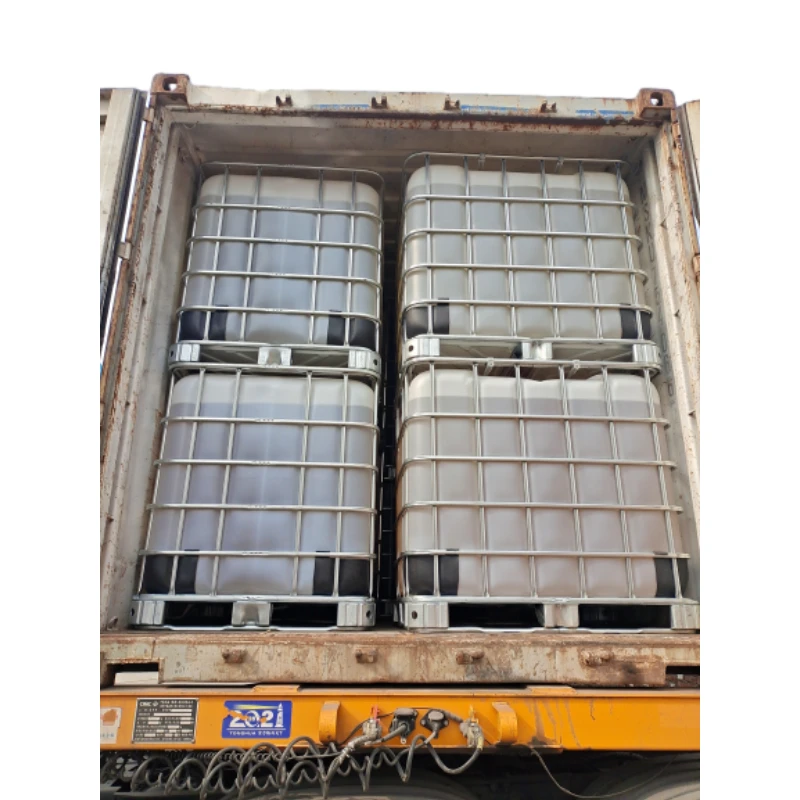
view more DiethanolisopropanolamineIn the ever-growing field of chemical solutions, diethanolisopropanolamine (DEIPA) stands out as a versatile and important compound. Due to its unique chemical structure and properties, DEIPA is of interest to various industries including construction, personal care, and agriculture. -
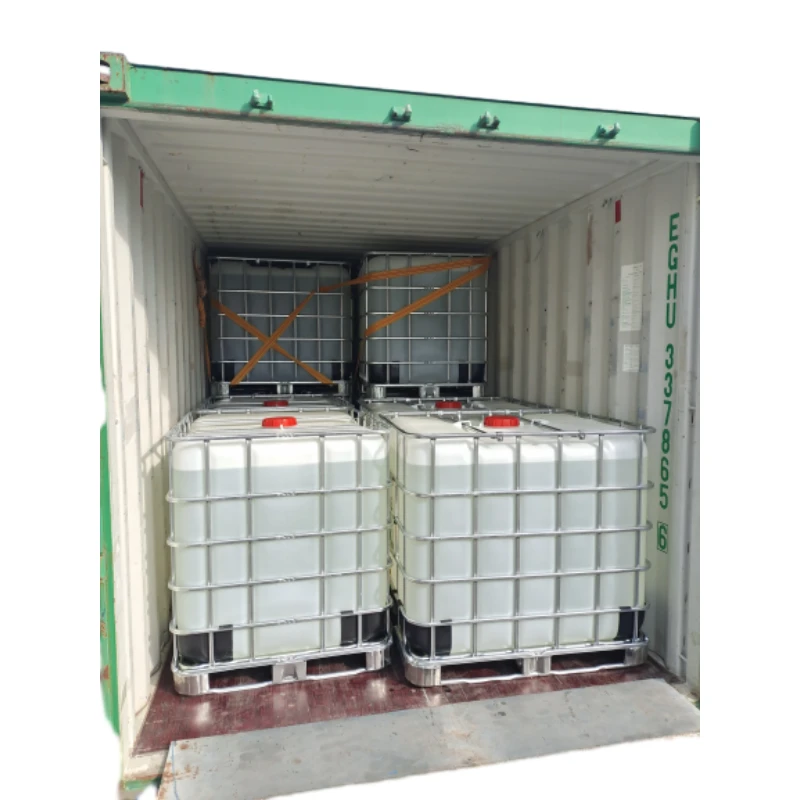
view more TriisopropanolamineTriisopropanolamine (TIPA) alkanol amine substance, is a kind of alcohol amine compound with amino and alcohol hydroxyl, and because of its molecules contains both amino and hydroxyl. -

view more Tetramethyl Thiuram DisulfideTetramethyl thiuram disulfide, also known as TMTD, is a white to light-yellow powder with a distinct sulfur-like odor. It is soluble in organic solvents such as benzene, acetone, and ethyl acetate, making it highly versatile for use in different formulations. TMTD is known for its excellent vulcanization acceleration properties, which makes it a key ingredient in the production of rubber products. Additionally, it acts as an effective fungicide and bactericide, making it valuable in agricultural applications. Its high purity and stability ensure consistent performance, making it a preferred choice for manufacturers across various industries.