







News
-
 The Impact of 330% Additive in Modern Industry In the quest for innovation and efficRead more
 -
 Natural Preservatives for Beverages A Sustainable Approach to Preservation As consumeRead more
 -
 Water Bird Water Treatment Chemicals LLC Enhancing Water Quality for a Sustainable FutureRead more
 -
 Dimethyl Disulfide Suppliers An Overview of the Market Dimethyl disulfide (DMDS) is aRead more
 -
 The Relationship Between Acetone and Rubber Usage, Effects, and Considerations AcetoRead more
 -
 Understanding E1100 The Food Additive E1100, also known as dextrin, is a food additiRead more
 -
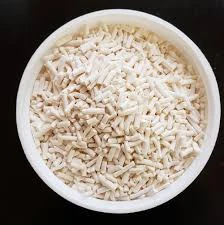
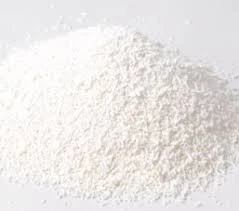 Potassium sorbate or E202 is a food additive that can be found in a variety of food products. This food additive can cause adverse reactions such as allergies.Potassium sorbate or E202 is regulated under European legislation and European Regulation 2018/1497.Read more
 -
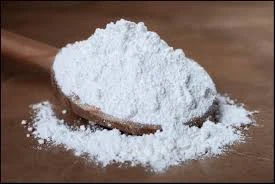 Potassium sorbate, also known as E202, is a salt of sorbic acid which is naturally found in some fruits (originally found in the mountain ash tree). As a potassium salt, potassium sorbate is used as a food preservative and is now produced synthetically. This preservative breaks down into water and carbon dioxide in your body. At room temperature, it looks like a white crystalline powder, but the mixture will quickly dissolve in water, which will revert it back to sorbic acid as the potassium dissolves. Some forms of potassium sorbate appear as a yellowish powder which can be dissolved in propylene glycol, ethanol or water to create a preservative with a variety of pH levels. This chemical can easily be produced and is quite inexpensive, making it an ideal choice for many industrial applications as well. While the material is generally considered safe for contact and consumption, it can be harmful if it is used excessively.Read more
 -
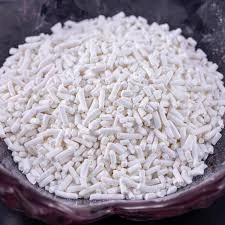 For those aspiring to eat mainly "clean ingredients," a little chemistry knowledge is often useful for deciphering packaged food labels.Late last year the maker of Orville Redenbacher's popcorn was sued for putting mixed tocopherols in its "Naturals" line of microwave popcorn, which claims on the front of the package to have "Only Real Ingredients."The preservatives, a form of vitamin E typically derived from vegetable oil, are used in a wide variety of food and cosmetic products and are allowed in foods that are certified organic. But a chemical process may be required to extract it. So is it natural?Read more
 -
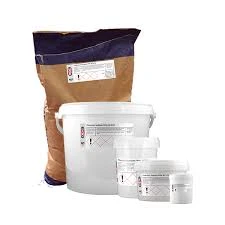 Potassium sorbate, also known as sorbistat-k, E-202 and sorbistat-potasium, is a white, odorless, and tasteless salt. Although it is naturally occurring in some fruits like berries, it is commercially produced by a neutralization reaction between sorbic acid and potassium hydroxide. It is an inactive salt form of sorbic acid and just like sorbic acid, it has been found to be active against molds, yeasts, bacteria and fungi. Because of these antimicrobial activities, it is often used as a preservative in the food and beverage industries to preserve foods like cheese, yogurt, dried meat, bread, cake, milkshakes, pickles, ice cream and apple cider.Read more
 -
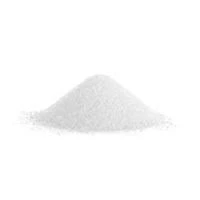 Potassium sorbate is a natural compound found in a multitude of fruits and vegetables, and ours is a natural derivative sourced from Mountain Ash Berries, and not synthetically derived. However, it is worth mentioning that even the synthetic version is GRAS (official classification of Generally Recognized As Safe) A food grade designation by every government in the world, and has been subjected to any number of double-blind studies. Today it is considered one of the safest food preservatives, and is found in almost every bit of commercially sold cheese, wine etc. Even the organic versions.Read more
 -
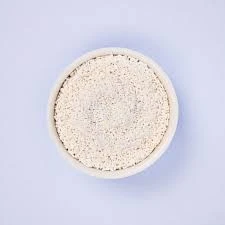 If you’re not familiar with the chemical potassium sorbate, then you are probably someone who doesn’t often read product labels. Potassium sorbate is used in tons of products as a preservative – from foods, to cosmetics, to pharmaceuticals. It has GRAS (Generally Recognized as Safe) status and is widely regarded as a safe, all-purpose antimicrobial and anti-fungal agent. Next time you’re snacking on some dried fruit, check the label for potassium sorbate – it might also be listed as E – 202. (It is almost never referred to by its IUPAC name, 2,4-hexa-2,4-dienoate.)Read more