






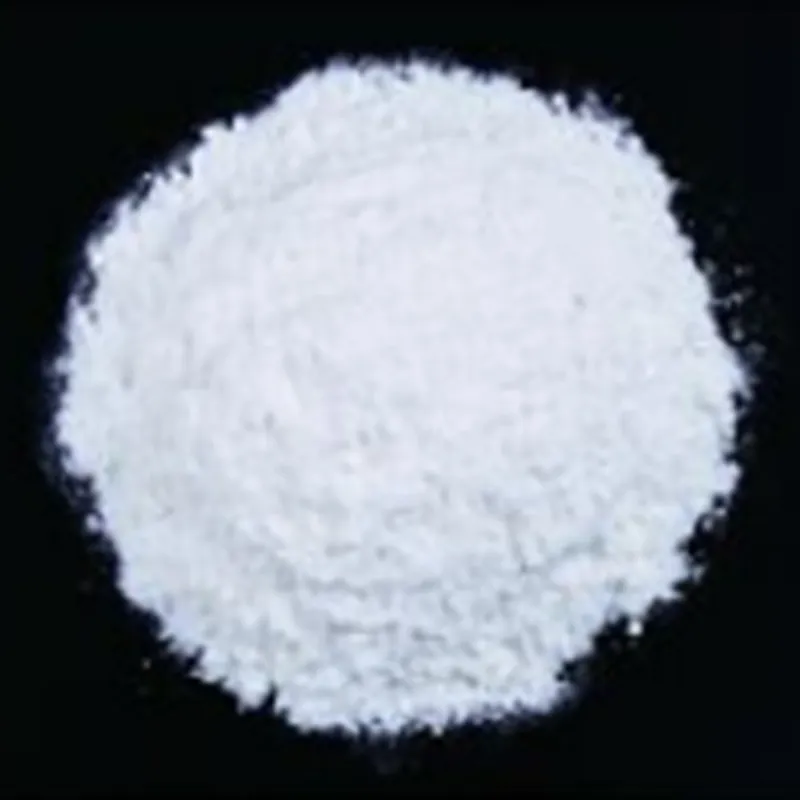
Tplyltriazol ist ein leistungsstarker und vielseitiger Korrosionsinhibitor. Es handelt sich um ein weißes Partikel oder Pulver, das leicht hygroskopisch ist und in große, kleine, säulenförmige, feine oder pulverförmige Formen verarbeitet werden kann. Es ist eine hochwirksame Lösung zur Verhinderung von Rost und Korrosion auf einer Vielzahl von Metalloberflächen und somit eine ideale Wahl für eine breite Palette von Anwendungen.
Eine der wichtigsten Eigenschaften von Triazol ist seine Fähigkeit, eine Schutzbarriere auf Metalloberflächen zu bilden, die diese wirksam vor den korrosiven Auswirkungen von Feuchtigkeit, Sauerstoff und anderen Umweltfaktoren schützt. Diese Barriere hilft, die Bildung von Rost und Korrosion zu verhindern, verlängert die Lebensdauer von Metallkomponenten und verringert den Bedarf an kostspieligen Reparaturen und Ersetzungen.
Neben seiner hervorragenden Schutzwirkung ist Tplyltriazole auch einfach anzuwenden, beispielsweise durch Sprühen, Bürsten oder Imprägnieren, und eignet sich für verschiedene industrielle und kommerzielle Umgebungen. Seine Kompatibilität mit verschiedenen Metallarten erhöht seine Vielseitigkeit noch weiter und macht es für den Einsatz auf Oberflächen aus Stahl, Aluminium, Kupfer und anderen Metallen geeignet.
Darüber hinaus ist Tplyltriazol umweltfreundlich und sicher in der Anwendung. Es ist frei von schädlichen Chemikalien und Giftstoffen und somit eine nachhaltige Wahl für den Korrosionsschutz. Dies macht es zu einer idealen Lösung für Unternehmen, die ihre Umweltbelastung reduzieren und gleichzeitig die Integrität und Langlebigkeit ihrer Metallanlagen aufrechterhalten möchten.
Korrosion ist ein weit verbreitetes Problem, das viele Branchen betrifft, von der Automobilindustrie über die Baubranche bis hin zur Schifffahrt. Triazol ist die ultimative Lösung für Korrosionsschutz. Seine außergewöhnliche Leistung, Vielseitigkeit und Umweltfreundlichkeit machen es zu einer hervorragenden Wahl für Unternehmen und Branchen, die ihre wertvollen Metallgüter schützen möchten.
INDEX | SPEZIFIKATIONEN |
AUSSEHEN | KÖRNIG |
TEST | 99,5 %MIN |
SCHMELZPUNKT | 80-86℃MIN |
WASSERGEHALT | 0,1 % MAX |
ASCHEGEHALT | 0,05 % MAX |
Tplyltriazol wird hauptsächlich als Rost- und Korrosionsinhibitor für Metalle (Silber, Blei, Nickel, Zink, Kupfer und Kupferlegierungen) verwendet und wird häufig in Rostschutzölen (Estern) verwendet. Es wird als Korrosionsinhibitor für die Gasphase von Kupfer und Kupferlegierungen, als Wasseraufbereitungsmittel und als Schmierölzusatz verwendet. Dieses Produkt kann auch mit einer Vielzahl von Kesselsteininhibitoren und Bioziden verwendet werden. Insbesondere für zirkulierende Kühlwassersysteme ist die Korrosionswirkung sehr gut. Lagerung: Dieses Produkt darf nicht mit alkalischen Substanzen gemischt und zusammen mit Lebensmitteln, Saatgut und Futtermitteln gelagert werden.
Karton, Papiertüten, gewebte Säcke, Fässer.
Tolyltriazole is an effective corrosion inhibitor widely used to protect copper, copper alloys, and other non-ferrous metals from corrosion. Its performance is mainly associated with its ability to interact with metal surfaces and form a protective layer that limits contact between the metal and corrosive substances. This makes tolyltriazole corrosion inhibitor an important component in water treatment, industrial fluids, lubricants, and metal protection formulations.
The tolyltriazole structure contains a triazole ring with a methyl-substituted aromatic group. This molecular structure allows the compound to interact with metal surfaces and contribute to the formation of a relatively stable protective film. Once the film develops, it can reduce the electrochemical reactions responsible for corrosion and help protect the underlying metal from water, dissolved oxygen, and other aggressive components.
One important consideration when selecting this material is tolyltriazole solubility. Its solubility can affect how it is incorporated into different formulations and how effectively it can be dispersed or dissolved in a particular system. For water treatment and industrial formulations, users should consider the formulation conditions, concentration, temperature, and other ingredients when determining the most suitable application method.
The broad tolyltriazole uses include circulating cooling water treatment, copper and brass protection, metalworking fluids, lubricating oils, and rust-preventive formulations. It can also be combined with other corrosion inhibitors, scale inhibitors, or biocides to develop more comprehensive water treatment systems.
When purchasing the product, tolyltriazole price can vary depending on purity, grade, packaging, order quantity, and market conditions. Buyers should therefore evaluate product quality and technical specifications alongside cost.
With its surface-protection mechanism, versatile formulation compatibility, and wide range of industrial applications, tolyltriazole provides an effective solution for reducing corrosion and extending the service life of valuable metal components.
Tolyltriazole is widely selected as a metal corrosion inhibitor because it provides effective protection for copper and copper-based alloys in a variety of industrial environments. Its ability to interact with metal surfaces and form a protective film makes tolyltriazole corrosion inhibitor particularly useful where corrosion control is required in water-based systems, industrial fluids, and lubricant formulations.
The effectiveness of tolyltriazole is closely related to its chemical structure. The tolyltriazole structure contains functional groups that can interact with metal surfaces, supporting the formation of a protective barrier. This barrier can reduce the direct interaction between the metal and corrosive substances such as moisture, dissolved oxygen, and other components present in industrial systems.
One of the most important tolyltriazole uses is corrosion protection in circulating cooling water systems. Copper and copper alloys are commonly used in heat exchangers, pipes, and other equipment, making corrosion control an important part of system maintenance. Tolyltriazole can also be incorporated into metalworking fluids, lubricating oils, rust-preventive products, and other industrial formulations.
Formulation characteristics should also be considered. Tolyltriazole solubility affects how the material behaves in different application systems, particularly when it is incorporated into water-based formulations. Manufacturers and formulators should select suitable concentrations and processing conditions according to the specific requirements of the application.
For procurement, tolyltriazole price is only one factor in selecting a suitable supplier. Purity, product consistency, packaging, supply capacity, and technical support can have a significant impact on the overall value of the material.
Because of its effective metal-surface protection, broad industrial compatibility, and established applications, tolyltriazole remains an important choice for corrosion-control formulations. Selecting the appropriate grade and using it under suitable formulation conditions can help manufacturers achieve more consistent corrosion protection and improve the reliability of industrial systems.
Tolyltriazole and benzotriazole are both widely used triazole-based corrosion inhibitors, particularly for protecting copper and copper alloys. Although they share similar corrosion-control functions, differences in molecular structure, physical properties, and formulation behavior can influence their suitability for specific industrial applications. Understanding these differences can help users select the right corrosion inhibitor for their systems.
The main structural difference can be seen in the tolyltriazole structure. Tolyltriazole contains a methyl-substituted triazole structure, while benzotriazole does not have the same methyl substitution. These structural differences can influence properties such as hydrophobicity, surface interaction, and formulation behavior. Both materials can interact with metal surfaces and form protective films that reduce corrosion reactions.
Tolyltriazole corrosion inhibitor is commonly used in cooling water treatment, metalworking fluids, lubricants, and other applications involving copper and copper alloys. Benzotriazole is also widely used for copper corrosion protection and similar industrial applications. The choice between the two depends on the specific formulation, metal type, operating conditions, concentration, and compatibility requirements.
Another factor to consider is tolyltriazole solubility. Solubility and dispersion characteristics can influence how a corrosion inhibitor is incorporated into water-based or oil-based formulations. Users should evaluate the complete formulation rather than selecting a product based on one physical property alone.
The tolyltriazole uses cover a broad range of industrial applications, including circulating cooling water, metal protection, lubricating oils, and corrosion-control formulations. When comparing products, buyers should also consider tolyltriazole price, purity, grade, packaging, and supply stability.
Ultimately, there is no universal answer as to whether tolyltriazole or benzotriazole is better. The most appropriate product depends on the specific application and formulation requirements. Comparing chemical properties, performance requirements, compatibility, and total procurement cost can help manufacturers select the corrosion inhibitor that best fits their industrial process.
c7h7n3
cas 29385 43 1
methyl 1h benzotriazole
methyl benzotriazole
tta


